

Students in 18 Maine school districts could see less mental health support next year after a nonprofit that provides long-term therapy said it can’t afford to maintain current staffing levels.
Behavioral health organization SweetSer has clinicians in 80 schools who saw more than 2,300 kids in 100 public schools last school year. Many school officials say the services are badly needed by students as the state is in the midst of a youth mental health crisis and school counselors and social workers need the extra support that nonprofits like SweetSer provide.
The decision to scale back Sweetser’s services came after the program ran a $1.5 million deficit this fiscal year, said CEO and president Jane Van Bramer, who said the nonprofit didn’t want to cut back on its in-school services, but that its offerings had become financially unsustainable.
School-based clinicians spend their days driving between schools, meeting with students, teachers, guidance counselors and social workers, calling parents, filling out paperwork and a variety of other tasks. But because they get paid by billing students’ insurance, they are only paid for the face-to-face time they spend with clients in therapy sessions. This billing system is unsustainable, Van Bramer said.
She declined to say which school districts would lose services or how much, as the group is only just beginning discussions with superintendents about the service changes.
“This has been an incredibly difficult decision and we are working hard to minimize the impact on our students, families and of course staff,” Van Bramer said.
“Significant mental health challenges”
Young people across Maine continue to struggle with serious mental health issues, and school officials say students need a lot of help.
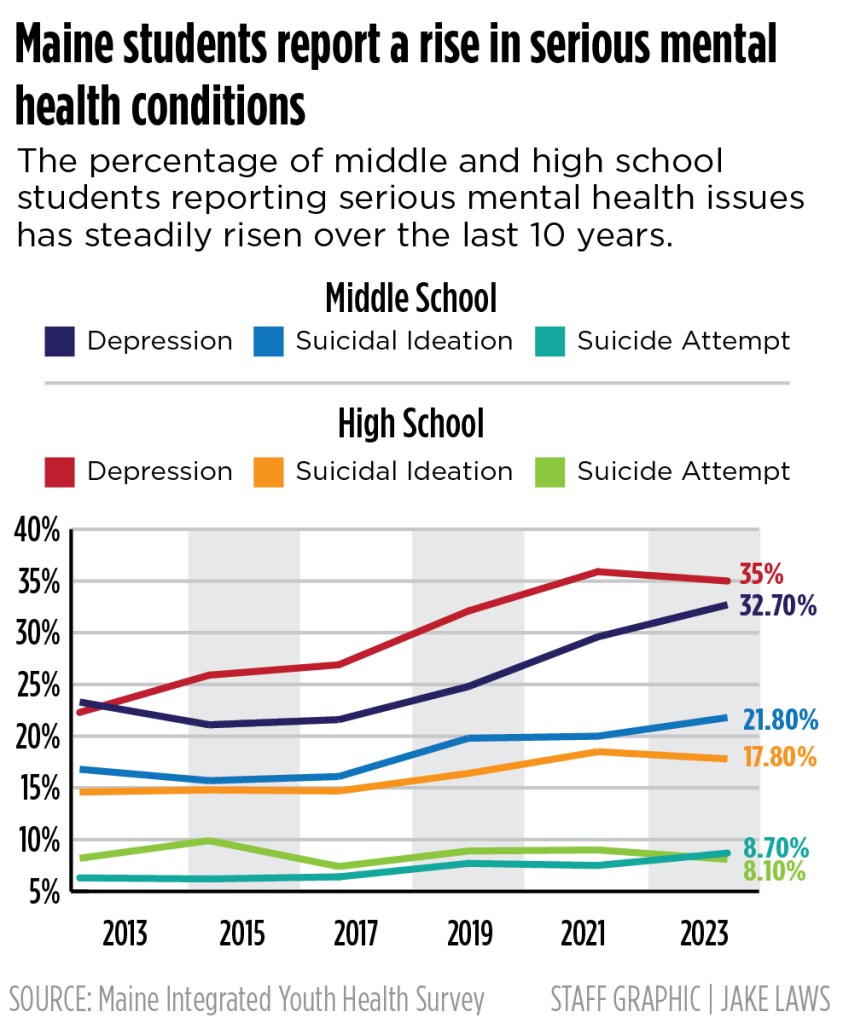
According to the 2023 Maine Comprehensive Youth Health Survey, more than one-third of Maine middle and high school students suffer from depression, nearly one-quarter have hurt themselves in their lifetime, almost 20% have seriously considered suicide, about 16% have made a suicide plan and 8% have attempted suicide.
According to the same 2013 study, these numbers were higher than a decade earlier, when 23 percent of Maine middle and high school students suffered from depression, 17 percent had self-harmed, 16 percent had seriously considered suicide, 12 percent had made a plan, and 7 percent had attempted suicide.
“Students in Maine and across the nation are experiencing serious mental health issues,” Brunswick Superintendent Phil Potenziano said. “We still have a long way to go to ensure students have the support they need to be successful.”
At the same time, homeless students are on the rise, and school officials say more students than ever are feeling anxious, struggling socially and exhibiting behavioral problems.
Rita Furlow, senior policy analyst for the Maine Children’s Alliance, said providing mental health services in schools is important because it’s easily accessible by people close to them and allows kids to get help as early as possible.
“Having someone available in school could mean the difference between (a student) getting the opportunity to speak with someone right away or having to make an appointment two weeks later,” Furlow said.
Van Bramer said having a clinician in the school allows the adults around students to work together to problem-solve and support students across the board.
This is especially noteworthy as wait times for mental health support continue to grow across Maine.
Sustainable Financing
During this year’s legislative session, lawmakers considered a bill that would allocate $2.7 million over two years to help schools hire social workers and family therapists through organizations like Sweetser. The bill was approved on its first vote in the House and Senate but was not funded.
Van Bramer said Sweetser is reorganizing and plans to push a new bill in January that would change the way clinicians get paid for services provided within schools and allow them to get paid for work that doesn’t involve direct patient contact.
She said it was in children’s best interests to ensure schools offered the widest range of mental health supports possible.
“We all know that mental health issues among young people are on the rise,” she said. “The need is there and this program is working.”
School districts often offer mental health support to students through school counselors or social workers, but districts often have limited time due to high caseloads.
Clinicians like those working at Sweetser provide additional mental health support and work with students and their families on complex, long-term issues.
All Sweetser clinicians must have a master’s degree in either social work, psychology, or mental health counseling. In Maine, school counselors must have a master’s degree in school counseling, and social workers must have a master’s degree in social work.
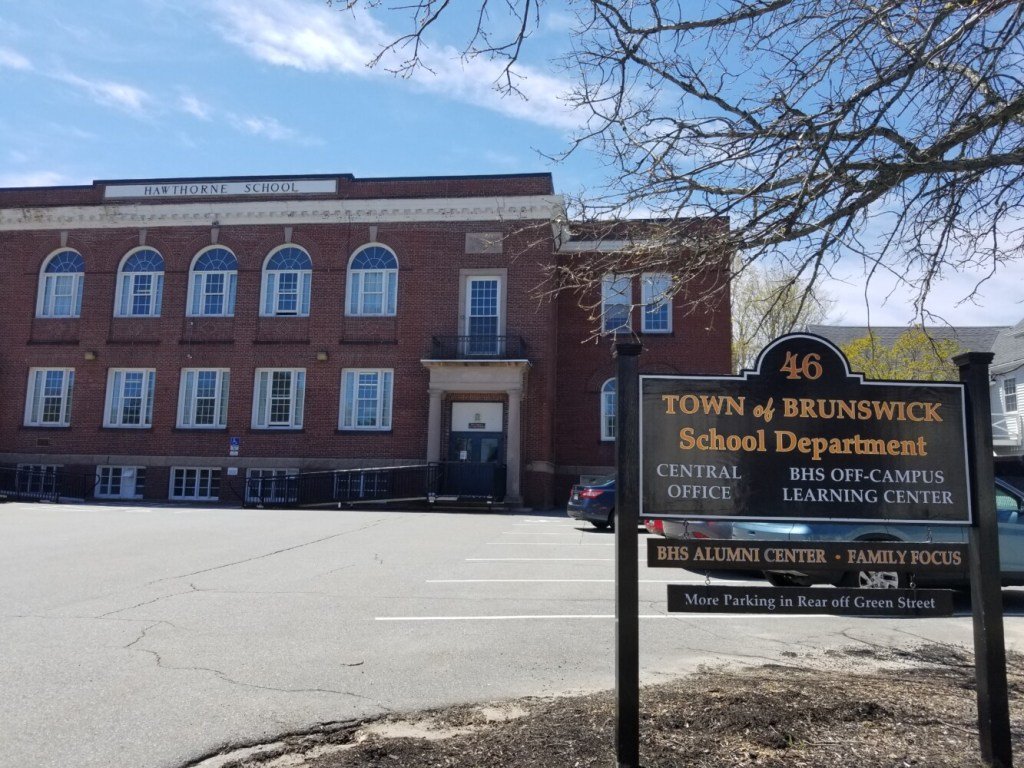
Brunswick Superintendent Potenziano said the cuts to services in Sweet Sur School District are disappointing because students’ mental health needs are so high, but since COVID-19, the district has hired additional school counselors and social workers and contracted with other local service providers and independent social workers to maintain intensive mental health supports.
Potenziano said he hopes the district can bring in additional services if Sweetser cuts back on services in Brunswick schools.
Van Bramer said it’s important that nonprofits like Sweetser are able to provide long-term mental health support to students.
“By investing in young people and addressing these issues now, we can prevent more serious mental health issues and more expensive treatment down the road,” she said.
Copy story link
Related article


Invalid username/password.
Please check your email to confirm and complete your registration.
To reset your password, please use the form below. After submitting your account email address, you will receive an email with a reset code.