

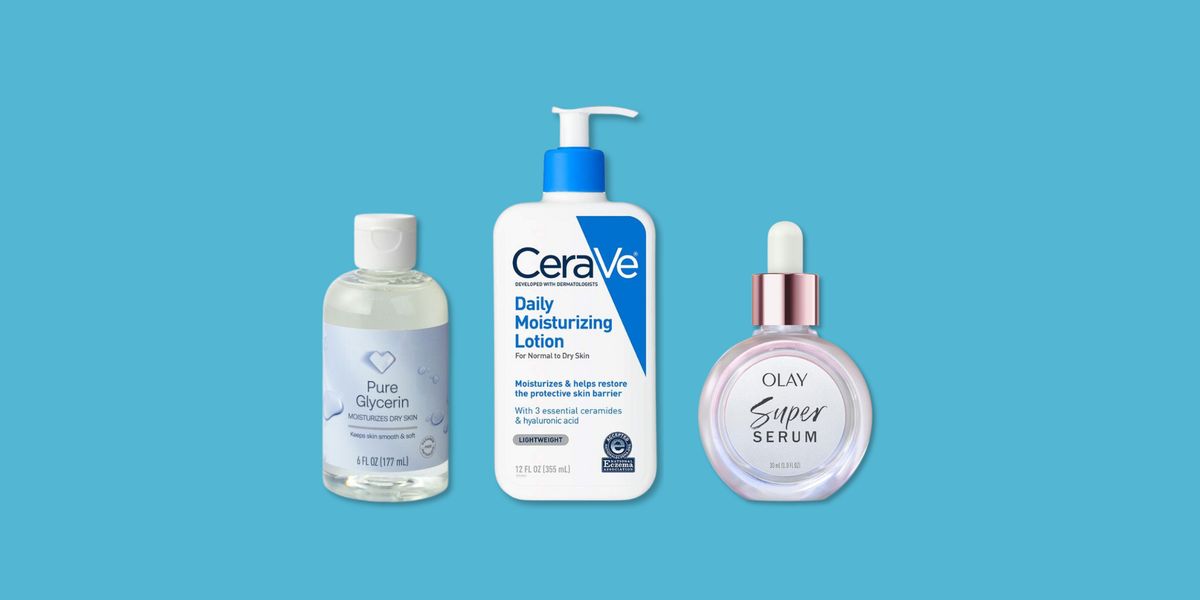
When it comes to skin care ingredients, there are trendy ones and tried-and-true staples that appear in many staple products. Glycerin falls into the latter category. “Glycerin, also known as glycerol, is a simple colorless, odorless liquid that’s non-toxic,” explains Navin S. Arora, DO, FAAD, founder of Borealis Dermatology in Garden City, New York. “Glycerin is a humectant, meaning it draws moisture from the environment to the skin. Its moisturizing properties make it widely used in a variety of skin care products.”
“Glycerin comes in a variety of purity grades and can be produced from a variety of sources,” says Kiara Butler, beauty, health, and sustainability lab reviews analyst at the Good Housekeeping Institute. “Glycerin used in skin care products is typically USP grade, which means it meets the high standards of purity set by the United States Pharmacopeia and is suitable for use as a medicine.”
Glycerin can be made from vegetable, animal, or synthetic sources. “Vegetable glycerin is made from plant oils like palm, soybean, and corn oil, and is the type most commonly used in skin care products,” says Butler. Synthetic glycerin is produced by chemical synthesis and is often made from petroleum-derived products. Pure glycerin can be purchased online or at a drugstore. If you want to try pure glycerin on your skin, “look for a USP-grade bottle,” says Butler.
Glycerin is found in many of your favorite products. “Almost all skin care products that contain moisture contain glycerin,” says Butler. It’s commonly found in products like cleansers, serums, creams, toners, mists, and sunscreens. “Glycerin enhances the moisturizing properties of skin care products and also acts as a preservative in moisture-containing products,” she adds.
The effects of glycerin on the skin
- Provides skin barrier protection: “Studies suggest that it strengthens the skin’s natural barrier, prevents moisture loss, and protects the skin from environmental aggressors,” says Dr Arora.
- Moisturizing effect: “Glycerin penetrates and diffuses into the outermost layer of skin, creating a reservoir of moisture without compromising the skin’s structure,” Butler says. “It also helps the skin maintain its elasticity, a property that is lost when skin becomes very dry.”
- Improve the texture: “Regular use of glycerin can make your skin smoother and softer,” says Dr. Arora.
- Soothes the skin: “It can aid in wound healing and stimulate the skin’s repair process,” says Dr. Arora.
- Acts as a skin protectant: “The FDA approves glycerin as a skin protectant when used in over-the-counter drug products at levels between 20 and 45 percent,” Butler explains.
Glycerin Side Effects on the Skin
“Glycerin is produced naturally by the skin, so it is generally very well tolerated,” Butler says. There have been very few case studies of allergic reactions to glycerin, so while it’s not impossible for someone to not have a reaction to it, it’s rare, she notes. “If you do have a reaction, symptoms can include redness, itching, and swelling,” Dr. Arora says. “High concentrations of glycerin can cause irritation, especially in sensitive skin.”
How to Use Glycerin on Your Skin
“Look for products that list glycerin as one of the key ingredients, such as moisturizers, serums, and hydrating masks,” says Dr. Arora. Butler also likes toners and essences, because “you can apply them to dry skin after cleansing, and then follow with a cream to lock in the moisture.”
Products containing glycerin don’t need to be applied in any special way and can be used at any time of the day. “If you want to apply pure glycerin, you can apply it to your skin with a cotton pad or your fingers, or mix it with a little moisturizer in your hands right before applying,” says Butler. “But don’t put glycerin in your product jar, as that can disrupt the product’s formula.” For nighttime use, Dr. Arora recommends applying a thick layer of a night cream or mask that contains glycerin to maximize hydration while you sleep.
What skin type is glycerin best for?
Glycerin is suitable for all skin types, including dry, oily, and combination skin. “It’s especially effective for dry and sensitive skin because of its moisturizing and soothing properties,” says Dr. Arora. “However, even those with oily skin can benefit from glycerin, which balances moisture without clogging pores.” Butler points out that those with oily skin are better off using products that contain glycerin, as pure glycerin can feel heavy when applied.
Is there any reason not to use glycerin on your face?
Glycerin is generally safe to use on the face. “If you have extremely sensitive skin or an allergy to glycerin, we recommend doing a patch test before using it extensively,” says Dr. Arora. “Also, it’s important to follow each product’s specific instructions, as the ingredient can cause irritation when used in very high concentrations.”
Butler warns that pure glycerin can be very sticky on the skin: “To avoid this issue, stick to using regular products that contain glycerin,” she says.
Is Glycerin Better than Hyaluronic Acid?
When it comes to these two top-tier moisturizers, one isn’t “better” than the other. “Glycerin and hyaluronic acid are both great moisturizers, but they work in slightly different ways,” says Dr. Arora. “Hyaluronic acid is known for being able to hold up to 1,000 times its weight in water, making it a powerful moisturizer. Glycerin, on the other hand, draws moisture into the skin and strengthens the skin barrier.”
Butler agrees, finding it difficult to say which is more moisturizing because “glycerin is a molecule and hyaluronic acid is a polymer, so it comes in a range of molecular weights and has different properties.”
Butler points out that one advantage glycerin has over HA is that it costs much less: “Glycerin is a great moisturizing ingredient and it’s also cost-effective.”
Ultimately, choosing between the two will depend on your skin’s needs, sensitivity, and how it responds to each ingredient. Many skin care products actually combine both ingredients for maximum hydration.
Does glycerin clog pores?
No. “Glycerin is non-comedogenic and won’t clog pores,” says Dr. Arora. “It’s a lightweight ingredient that is easily absorbed by the skin, making it a good choice for those with acne-prone skin.”
Best Glycerin Skin Care Products:
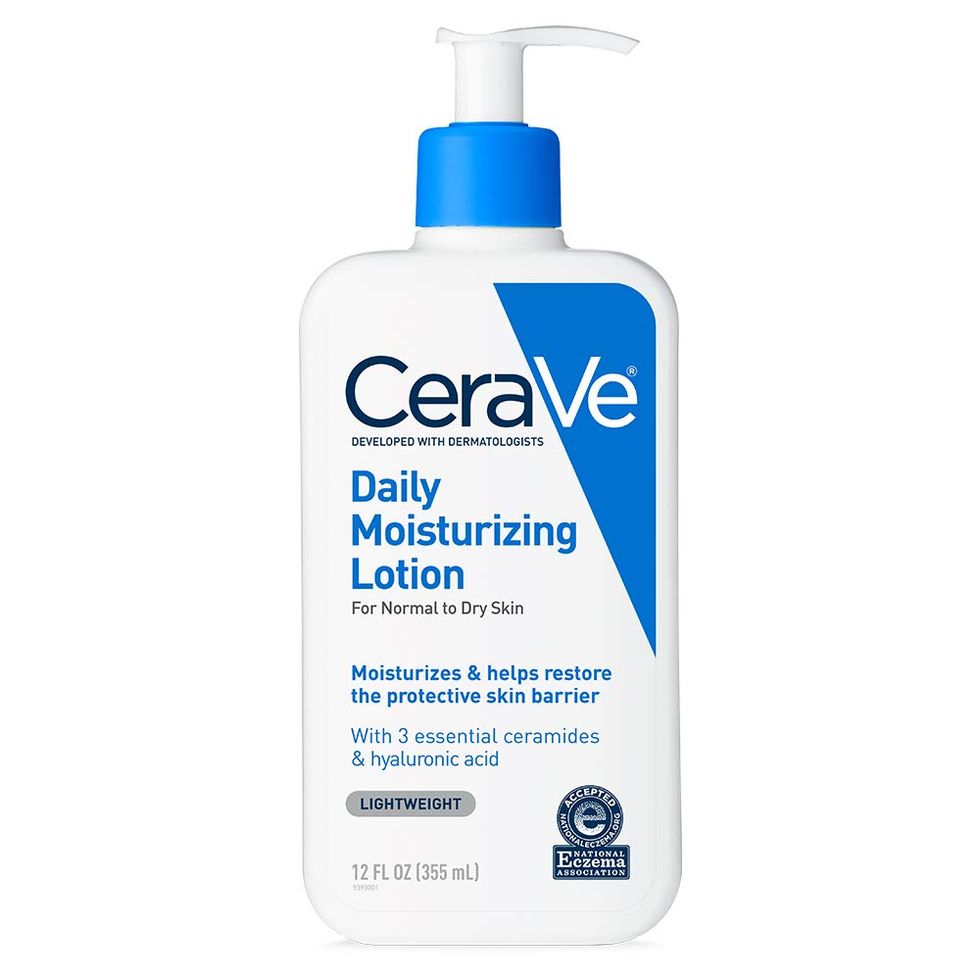
CeraVe Daily Moisturizing Lotion for Dry Skin
Get 11% off now

CVS Beauty USP Pure Glycerin


Neutrogena Hydro Boost Gel Facial Cleanser
Get 25% off now
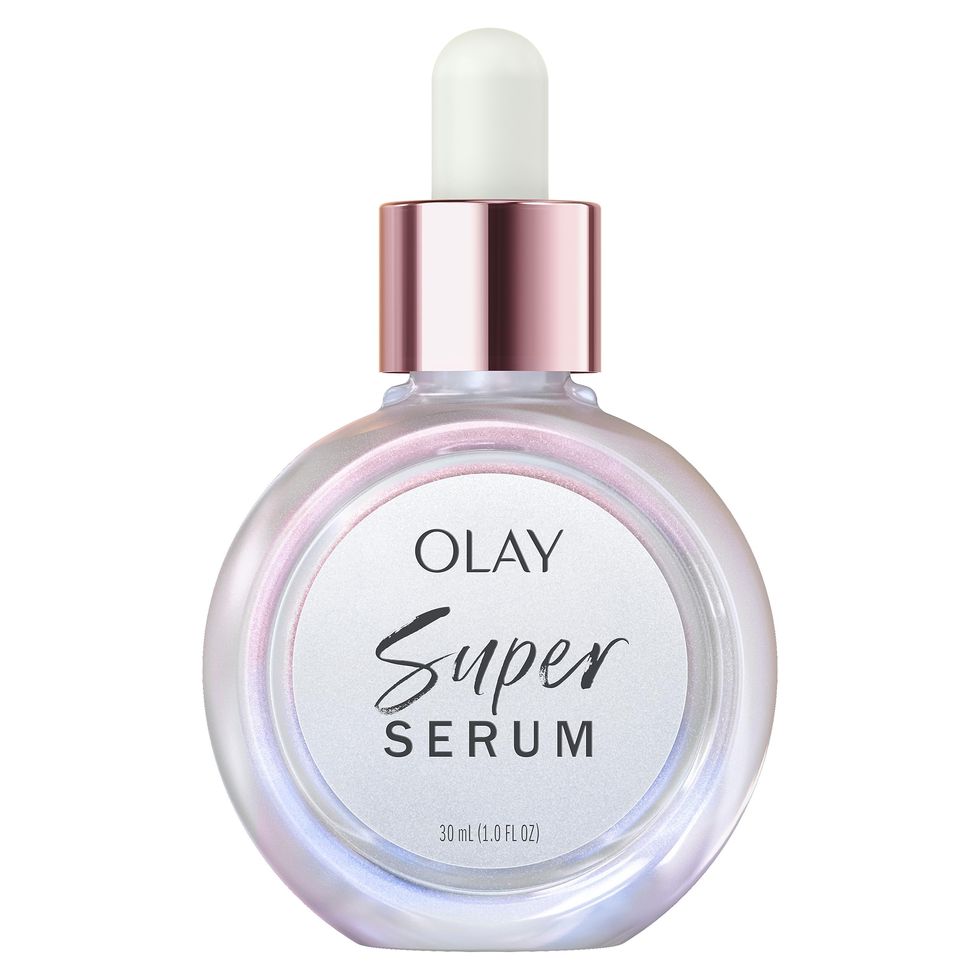
Olay Super Serum
Get 14% off now
Dori Price is a New York-based freelance writer and editor, an expert on beauty, style, and wellness. Family Circle 13 years before joining the company Good Housekeeping, Prevention and Women’s Day She is a freelance beauty editor whose work has also appeared on WomensHealthMag.com, Elle.com, and HealthCentral.com.
Beauty, Health & Sustainability Lab Review Analyst
Chiara (she/her) is a Reviews Analyst for the Good Housekeeping Institute’s Beauty, Health & Sustainability Lab, where she conducts hands-on testing of health and beauty products. She earned her BA in Chemistry from Columbia University. Prior to joining GH in 2022, she worked as a cosmetic chemist, formulating skin care products for various brands and learning to decipher ingredients lists, evaluate ingredient efficacy, and scrutinize product claims.
