


The Mental Health Project is a Seattle Times initiative focusing on mental and behavioral health issues. The project is funded by the Ballmer Group, a national organization focused on economic mobility for children and families. Additional support is provided by City University of Seattle. The Seattle Times retains editorial rights to the work produced by this team.
Growing up closeted as a gay man in Eastern Washington, Connor Martens often struggled.
Before he made headlines by coming out as bisexual to his college football team in 2014, the teenager from Kennewick struggled with anxiety and depression. He remembers calling the hotline for The Trevor Project, a suicide prevention organization for LGBTQ+ youth.
“You call, you hear the other side, you hang up, and that was enough. Just hearing someone’s voice was enough,” Mertens said. “I don’t want anyone to forget the power of these tools.”
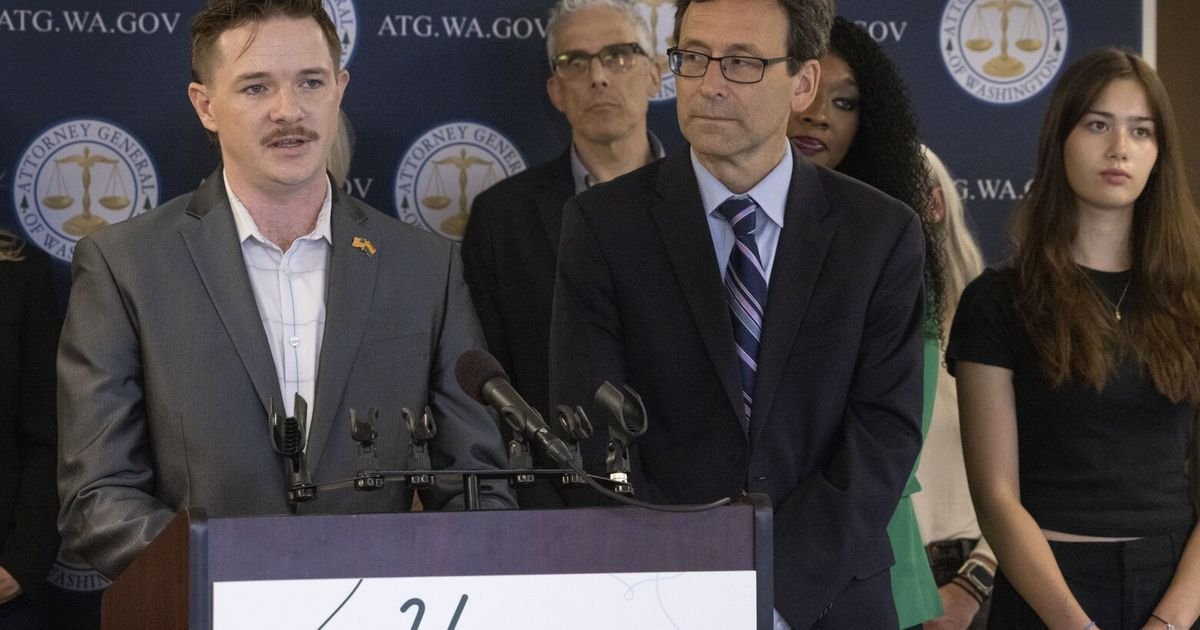
On Tuesday, the Washington state Attorney General’s Office launched a youth-focused hotline born out of Mertens’ desire to help others in the same way: HearMeWA is a statewide reporting system for young people facing any kind of challenge or crisis, from food insecurity or social difficulties to suicidal thoughts or threats of violence at school.
Run by the gun violence prevention nonprofit Sandy Hook Promise, the hotline is available to anyone under the age of 25 who lives in Washington state. Adults can also call on behalf of young people if they have concerns about their safety or well-being.
To access the helpline, call 888-537-1634, text 738477, download the mobile app or visit the website at HearMeWa.org.
The idea came about in 2016, when Mertens, then a university student, read about a series of suicides in her hometown.
He texted then-state senator Sharon Brown to ask if she would be willing to discuss a program to prevent youth suicide, and within 24 hours he was sitting at her kitchen table discussing the idea.
Mertens said the goal is to create a tool for suicide prevention, not intervention.
The hotline is staffed 24 hours a day with trained, paid crisis counselors who will review reports and connect people with service providers such as school counselors, mental health crisis workers, police or other community services.
Jessica Jackson, director of Sandy Hook Promise’s national crisis center, said the Washington program is unique in that it offers multiple levels of response: Responders prioritize immediate threats to safety, but also respond to calls of incidents that may be less urgent but are causing stress or distress to young people, she said.
Staff respond to all calls within two minutes, Jackson said. If a caller doesn’t need an immediate check or response, crisis counselors can still provide resources such as the Trevor Project, the 988 Crisis Line or a connection to its youth service, Teen Link.
The Washington State Legislature allocated nearly $1.96 million in the state budget to launch the program, which the attorney general’s office, which oversees the program, said would cost $958,000 a year to operate.
Several other states have established hotlines for at-risk youth, and Oregon, Colorado, Utah and Michigan have also announced similar programs annually, with articles reporting that the hotlines notify school officials so mental health officials can provide treatment to students who are thinking about suicide or who are in crisis and threatening to shoot up at school.
But HearMeWA founders say the state’s new program is much broader in scope.
“In other parts of the country, similar reporting systems rely solely on schools to respond,” the Attorney General’s office said in a news release. “HearMeWA is the first program of its kind to expand services statewide and provide options beyond schools and 911. This is especially important in rural communities, where emergency services are often the first and only resource for young people in crisis.”
The program is also different from Teen Link, a youth hotline run by Crisis Connections. Teen Link is a peer-to-peer resource staffed by youth volunteers and has limited hours of operation, according to the attorney general’s office. HearMeWA is available 24/7 and staffed by trained crisis counselors.
Attorney General Bob Ferguson said he doesn’t see the program as a fix for a lack of youth resources, but as a starting point to respond quickly when teens are in trouble.
The program was launched at a time when teens and young adults are facing increased stressors in their daily lives. Less than a week before the hotline was announced, two Seattle-area high school students were murdered, one on campus at Garfield High School and the other in the parking lot of a Big 5 sporting goods store in Renton.
According to data from the state’s Healthy Youth Survey, mental health outcomes for teenagers areNumber While graders’ performance is improving, the situation remains “very concerning”, with six in 10 people surveyed reporting constant anxiety and worry.
In the survey, 30% of 10 peopleNumber Raters reported persistent feelings of depression, and about 15% reported thoughts of suicide.
Before launching the program, the Attorney General’s Office sought input from hundreds of youth organizations across the state and consulted with a youth advisory group.
One of the advisers, Bainbridge High School sophomore Makenna Closser, said she hopes her peers will not only use the hotline to report concerns about violence, but also feel like someone is listening to them.
“Currently, their voices are not being fully heard,” she said.
