

The four-year project led by University College London found that teenagers were not benefiting from “social prescriptions”, as described by England’s National Health Service, an approach that links people to activities, groups and services in their community to meet their practical, social and emotional needs.
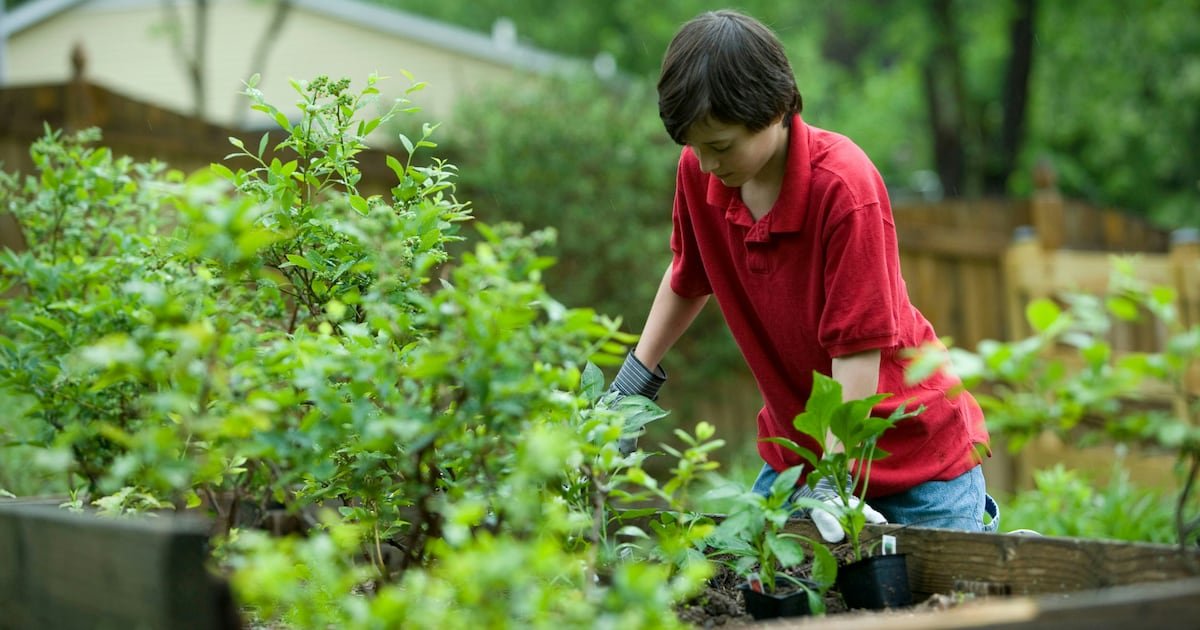
Gardening is one of the activities encouraged by the project, along with fishing and museum visits, and is particularly suited to children and young people who feel lonely or isolated.
“The benefits of gardening are truly enormous,” says Adam Griffin, head of occupational therapy at Kamali Clinic, a child and adolescent mental health centre in the UAE. “Not only is the effort of digging, weeding, planting and pruning beneficial for physical health, it can also have a hugely positive impact on mental health.”
Here are some benefits of horticultural therapy, also known as ecotherapy:
Feeling in control

For people with low self-esteem, anxiety or learning disabilities, gardening can be an effective mental leveller. Being able to contribute to a meaningful activity can have a cathartic effect, increasing confidence and clarity. Even simple activities like being able to monitor how much water you give to your plants or flower beds can increase your sense of control, which is an important psychological countermeasure for people who tend to become emotionally overwhelmed.
Forming Meaningful Connections
Biophilia suggests that we are instinctively drawn to connections with other living and growing things. In 2003, John Fieldhouse, an occupational therapist and researcher at the University of the West of England in Bristol, published a paper on the relationship between plants and humans, revealing that people are “fascinated” by them. Meaningful connections can improve mood and focus, and deepening connections allow people to focus on their skills rather than their shortcomings.
“Gardening teaches children that we are only a small part of nature. It helps them overcome feelings of isolation and self-centeredness,” says Malathi Jagathia, a Mumbai-based child psychologist.
Griffin adds: “Like having a pet, gardening helps nurture the soul by providing connection with other living things.”
Increase your happy hormones
Exposure to green spaces has been shown to lower levels of cortisol, the stress hormone that controls mood, memory and immunity. “Gardening is a positive escape from the stress that many of us take for granted as part of modern life,” says Griffin. “Even Sigmund Freud spoke about the relaxing effects of gardening: ‘Flowers are soothing to look at. They have no emotions or conflicts.’ Whatever your age, gardening is a time to forget your worries. Bills, exams, deadlines and the myriad other daily responsibilities can all be forgotten at the so-called garden gate.”
As early as 1983, healthcare design researcher Roger Ulrich proposed the stress reduction theory, which posits that because humans tend to perceive natural stimuli as non-threatening, exposure to these stimuli has an immediate effect of increasing feelings of happiness and relaxation. Additionally, exercise increases levels of the feel-good hormones serotonin and dopamine, reducing tension, anger, and confusion. “It’s just a matter of taking people’s minds off their problems,” says Jagatsia.
exhaust port
Nature isn’t just all sweetness and light. Gardening is also about strength. Tasks like weeding, trimming and clearing allow people to release anger and frustration in a controlled environment. “To be constructive in the garden, you need to be destructive without feeling guilty or confused,” Jagatia adds.
Get rewarded

As the garden and plants flourish, the gardener’s confidence in his or her abilities and strengths also grows, leading to a sense of accomplishment.
Ann Love, authorGardening in Oman and the United Arab Emirates“Putting time and effort into growing plants gives you a sense of ownership and pride, and makes you feel like you belong there. Checking on your plants every day will let you notice changes, like new shoots appearing or herbs that need cutting. It’s a really fun and rewarding experience.”
Griffin added: “Engaging in meaningful activities is a prerequisite for good mental health, and gardening is a perfect example of this. Whether it’s a small windowsill box, a herb patch or a large backyard, spending a little time getting your hands dirty is a rewarding investment.”
Combat Ready
“Gardening gives you a purpose, getting outside in the sun and breeze and fresh air and getting some physical activity,” Love says. So whether you’re stretching to pick up a bag of fertilizer or bending down to plant seeds, gardening is a great way to burn calories.
It also gets you using your non-dominant hand, which is good brain exercise, and exposes you to immune-boosting Vitamin D and “beneficial” allergy-fighting bacteria (Mycobacterium vaccae) commonly found in soil.
Stable environment
“The demands of modern society and meeting the expectations of colleagues and superiors can be a source of great distress, especially for those who are already struggling with emotional instability,” Jagatia says.
Because plants are less scary and challenging than humans, they offer us an escape from our own thoughts and the judgements of others, allowing us to connect and communicate on a safer and simpler level, creating a sense of stability and self-worth.
Restoring Attention
According to the Attention Restoration Theory proposed by psychology professors Rachel Kaplan and Steven Kaplan, humans have two types of attention: directed attention and captivating attention. The former is limited and can be overloaded by stress, causing mental fatigue, while the latter is used to restore mental order.
Natural environments such as gardens have a restorative and captivating effect that impacts concentration, memory and problem-solving abilities. “The more you can stay focused, the greater your ability to live in the present, which is crucial for overall emotional wellbeing,” says Jagatia.
Last updated: May 27, 2024 10:02 AM
