

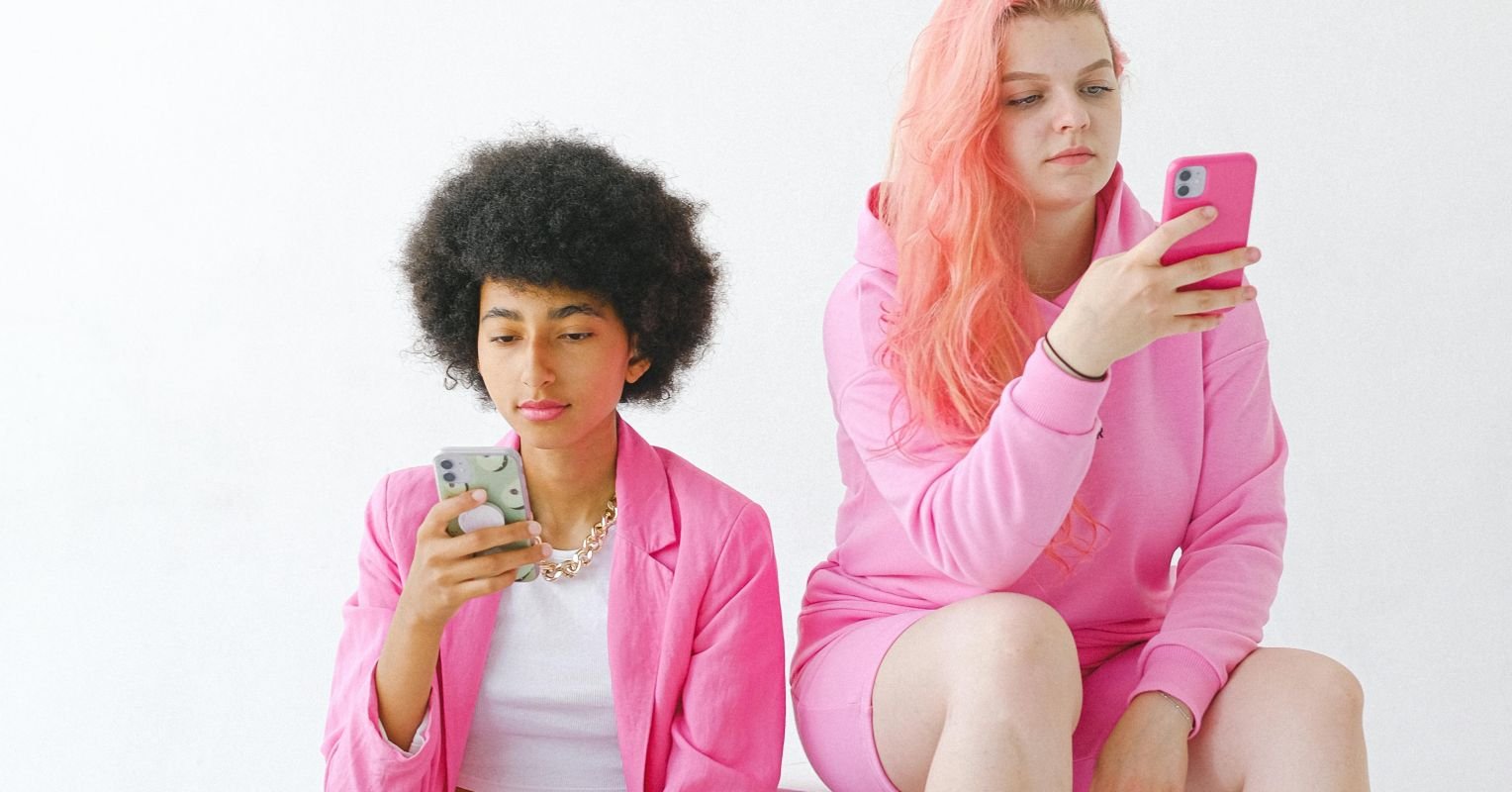
Parenting in the digital age.
Source: Anna Shvets/Pexels
Co-authored by Zoe Hart and Dr. Marina Heifetz
Social media has become increasingly accessible and is used daily by the majority of young people in North America. With social media companies increasingly targeting young people with their marketing, it is no wonder that social media usage among young people is steadily increasing and the age at which most children first get a device and access the internet is decreasing.
It is important to recognize that social media can serve as a means to connect and interact with peers. At the same time, there are some known risks associated with social media use among young people. In particular, brain development related to impulse control is not fully developed until the mid-20s, making it difficult for young people to limit their screen time on their own. As a result, they spend more time scrolling through social media (American Psychological Association, 2023a).
Caution regarding young people’s use of social media
Last year, the U.S. Surgeon General issued a health advisory suggesting that children and teens who use social media for more than three hours a day are at significantly increased risk of developing mental health issues, including anxiety, depression, and suicidal tendencies. Below are some of the ways in which mental health is affected:
- Neurological and developmental factors: The excitement of connecting with peers is linked to brain development that typically occurs between the ages of 10 and 12, which is also the average age at which many young people first gain access to a device. Without fully developed impulse control, it can be difficult for young people to effectively regulate themselves, spend appropriate time on social media, and strike a healthy balance between their online interactions and their everyday interactions with friends, family, and peers.
- Peer influence and social feedback: Elements such as the number of likes, comments and push notifications on social media platforms can have a significant impact on young people. Feedback received on social media (whether positive or negative) can have a tangible impact on young people’s mental health, leading to increased symptoms of anxiety and depression.
- Self-Esteem and Body Image: Related to peer influence, online interactions can have a significant impact on self-image. Access to a wide variety of profiles, people and content online gives young people the opportunity to constantly compare themselves to others, which can have a negative impact on self-esteem and body image. Clinical psychologist and researcher Anita Federici has stated that there is a strong correlation between increased social media use and the rise in body dissatisfaction and emotional dysregulation among young people. Social media is filled with memes and comments about weight, as well as increasing pressure from the diet industry. Children and young people may not be able to manage and distinguish between harmful diet culture and what is appropriate and healthy in what they see online.
- Inappropriate and hateful content: Extensive social media use also puts people at risk of being exposed to online discrimination, racism, homophobia, sexual content and cyberbullying, which research suggests may exacerbate symptoms of anxiety and depression in young people.
What families can do to help young people use social media safely
The American Psychological Association (2023a) outlines several ways parents can mindfully connect with their children about safe social media use:
- Monitor your children’s social media use, talk to them, and answer any questions honestly.
- Initiate supportive, age-appropriate conversations about online content
- Model healthy social media use for your children and teach them social media literacy, helping them know what is true and what is not true online.
- Beware of problematic usage
Reducing social media use can also help: a recent study by Smith and Mills (2024) suggests that even just taking a week-long break can have a significant positive impact on the mental health and self-esteem of young people, particularly young women.
Lisa D’Amore is a clinical psychologist and prolific author on youth development (her latest book is The emotional life of teenagersLisa Damore has spoken extensively about the impact of social media on adolescents. While there are many positive aspects to social media, such as serving as a “lifeline for young people who struggle to make peer connections in their communities,” Damore also emphasizes the importance of educating young people about the algorithms that social media uses to serve them information that will interest them. and Delay social media use until later adolescence. We want to teach young people how to distinguish between appropriate and inappropriate content. This ties into family values and can help guide young people in making good decisions.
Recommendations from the American Psychological Association (2023b) emphasize that the development of children, adolescents, and teens is gradual and constant, not necessarily linear. Therefore, it is important to ensure that online interactions are developmentally appropriate. As parents, it is also important to maintain open lines of communication and monitoring regarding social media use. The bottom line is that a young person’s social media use, features, and permissions must be tailored to the young person’s unique developmental capabilities to foster healthy and safe interactions, both in person and online.
References
This post also appears on the Mindful Psychology & Wellness Centre blog.
