

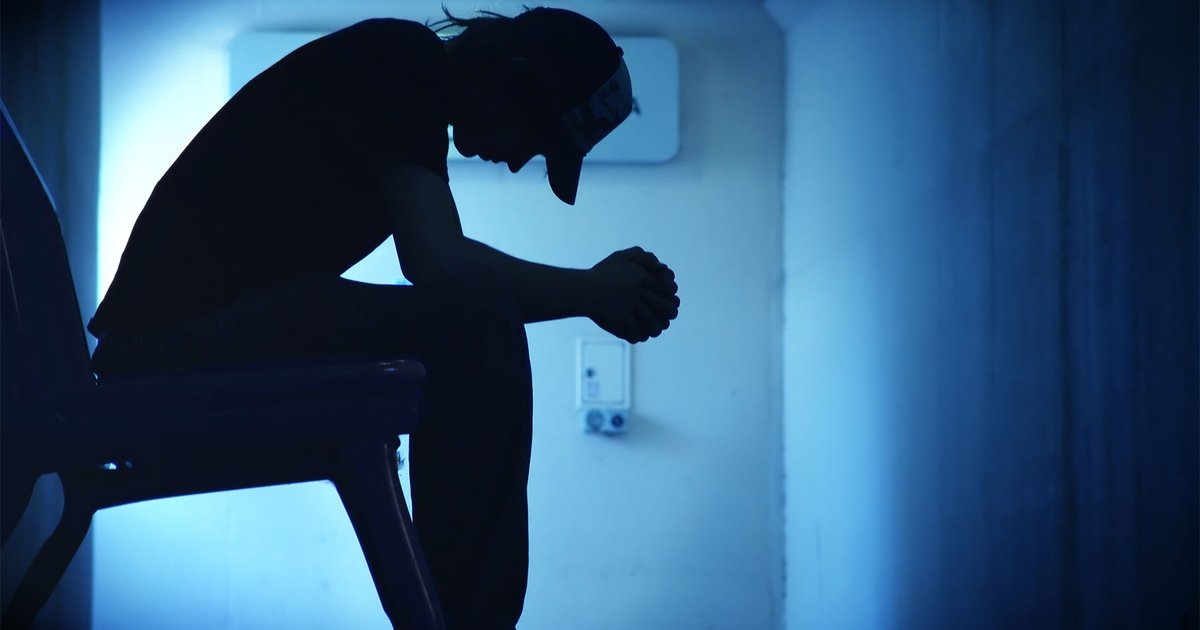
Teen suicide rocks rural community.
The people of small towns who touched young people’s lives as teachers, coaches, friends and family members all carried doubts, fears and guilt that spilled into the streets like raging rivers, shaking and sometimes destroying buildings.
In the aftermath, decisions must be made about how to respond to the devastation, how to move forward, and more importantly, how to rebuild and protect young people.
Last month, my colleagues and I did a deep dive into how mental health impacts farmers and ranchers, and we looked at it from the perspective of baby boomers and millennials. Presenting the counselor’s perspective We provided resources.
But we never focused on teenagers. And frankly, I didn’t think we needed to. But just before the class of 2024 was about to celebrate their high school graduation in our rural community, I realized my mistake: One of their peers was gone.
Worrying numbers for rural youth
According to the National Institutes of Health, the suicide rate for rural youth, both male and female, is nearly twice that of urban youth.
The survey, commissioned by the National 4-H Council and conducted by Harris Poll, queried more than 1,500 teens ages 13-19 nationwide to better understand the state of teen mental health and gather young people’s opinions.
The investigation revealed the following:
-
81% of young Americans say mental health is a major issue for young people
-
55% of teens said they have experienced anxiety, 45% said they have experienced excessive stress, and 43% said they have experienced depression.
It was hard to read, but not as difficult as what followed: Teens reported feeling more pressured to hide their feelings than to use drugs.
-
67% feel pressured to keep their emotions inside.
-
67% pretend to feel better so as not to worry anyone.
-
65% deal with emotions on their own.
As Mental Health Awareness Month comes to an end, we don’t want to ignore these statistics, but rather offer support to parents of teenage children.
Start a Difficult Conversation
Newport Academy, a network of teen mental health treatment centers, points out that troubled youth aren’t “broken” — they need to develop life skills and self-understanding to find their place in the world.
The company’s team of mental health experts developed the following 10 questions to ask as part of a mental health check-in:
-
What three words best describe how you feel right now?
-
On a scale of 1 to 10, from negative to positive, what number best describes your state of mind?
-
Fill in the blank: Lately I’ve been thinking a lot about…
-
If your feelings were the weather, what would your day be like outside?
-
If your life was a movie, what song is currently on the soundtrack?
-
What do you want to reduce in your life right now?
-
What do you want more of in your life right now?
-
Tell me about the best and worst thing that happened to you this week.
-
What is the most difficult thing for you right now?
-
How can we better support you?
Don’t ask them all at once, as you may feel overwhelmed. Pick a few questions that suit your child and your parenting style. The important thing is to ask questions and really listen to the answers.
There are signs specific to teenagers that indicate they are suffering. Download our Mental Health Temperature Check-in Card with 10 questions to ask your child.
Please take the time to share some strategies on how to deal with stress. If you are unwilling to acknowledge the impact stress has on you and others, Farm Progress Mental Health This is the page to start your own journey.
Make time, have conversations, be together. Now is the time to help rural youth weather the floods of life.
