

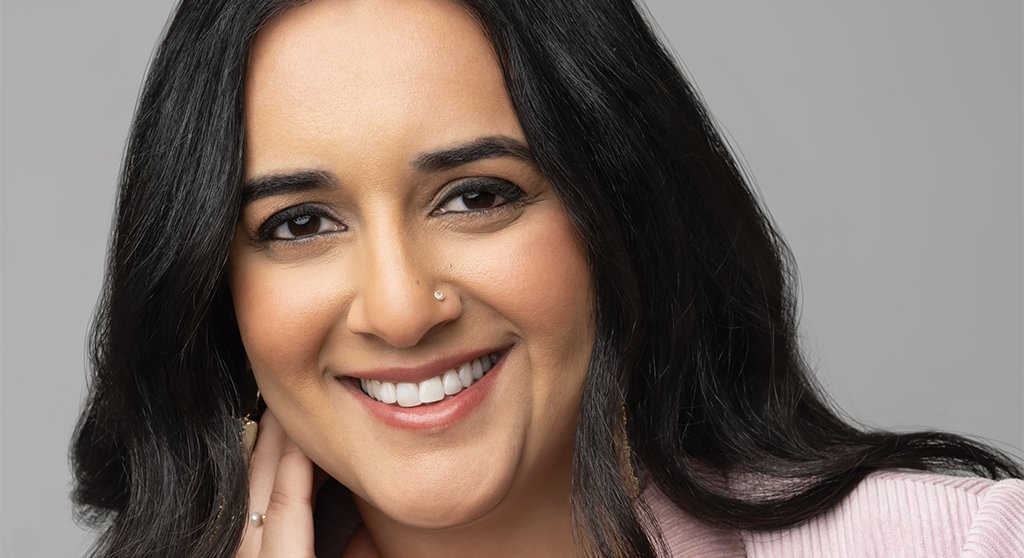
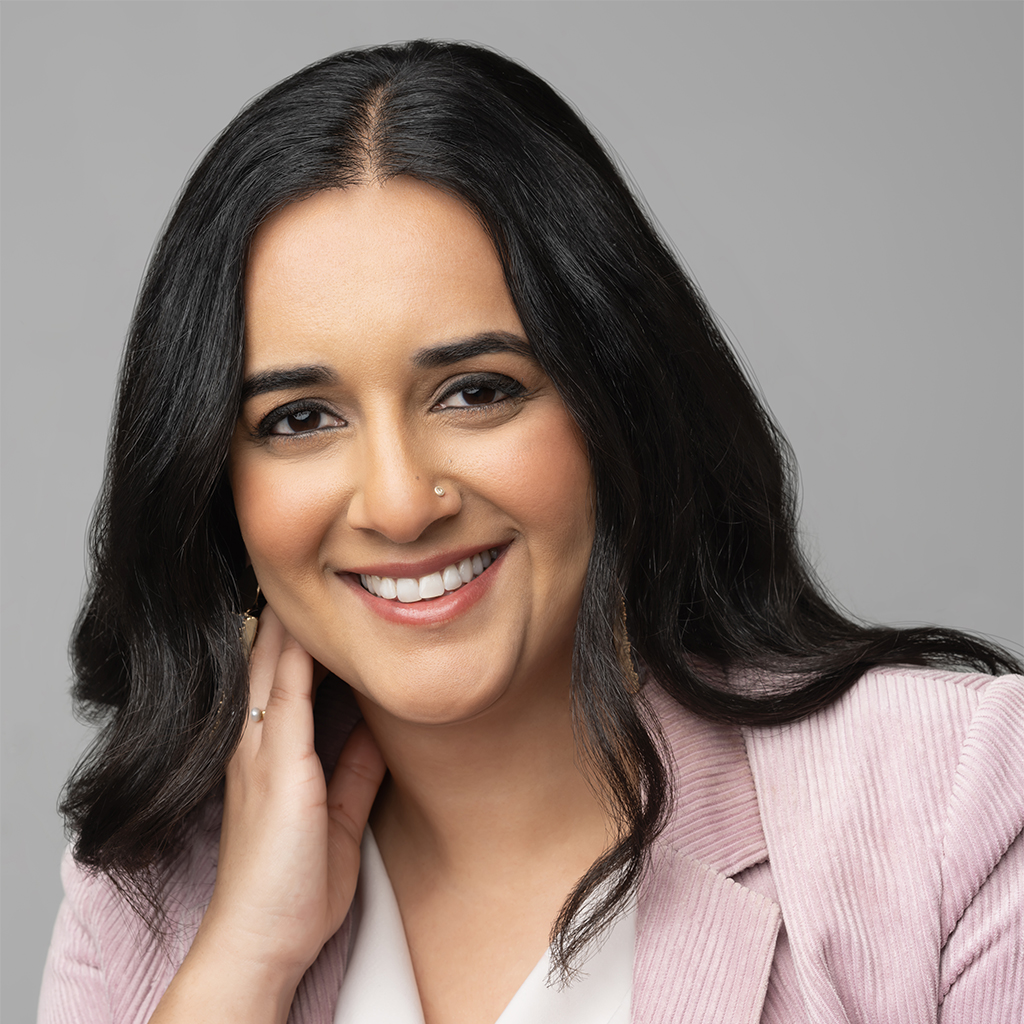
Sahaj Kaur Kohli, author of But What Will People Say? (Photo: Beowulf Sheehan)
Sahaj Kaur Kohli is a practicing therapist, author, and speaker who founded Brown Girl Therapy, the world’s first and now largest mental health community for children of immigrants. Kohli spent the first six years of her career in journalism and continues to write a weekly advice column for The Washington Post. As a therapist, Kohli supports immigrant families and adult children of immigrants, and is passionate about democratizing mental health and including culture in the conversation about mental health. In 2019, Kohli founded Brown Girl Therapy, an online community of over 200,000 people dedicated to destigmatizing mental health and encouraging bicultural identity exploration. Her work with Brown Girl Therapy was the inspiration for her first book, “But What Will People Say?”, about mental health, identity, love, and family across cultures. “But What Will People Say?” will be released on May 7, and Kohli will speak at Narrative on Tuesday as part of the new bookstore’s opening week events in Davis Square. Her words have been edited for length and clarity.


Having grown up straddling two cultures, when did you realise there was tension between them?
It was present everywhere in my life. I grew up in an Indian household where the values, norms, and expectations were polar opposites to the American environment I was socialized in. I was the first in my family to be born in the West, so I navigated a lot of my identity across two cultures in ways that were new to my family. For me, it showed up everywhere: in friendships, dating, my own personal development, etc. I had always navigated this feeling of not being “enough” in different environments, but I didn’t start really thinking about it until I was in my late twenties.
I had already been in therapy for a while, and I was working as a senior editor at Medium, editing other people’s personal essays. I started to put into words my experiences and inner tensions, and I wanted to go back to school to be a therapist. It all came to a head when I turned 30. I changed careers and married the first person in my family who was not of my race, religion, or culture. I started to have an identity crisis about my choices, like, am I rejecting my culture and my family by choosing my partner? That’s what prompted me to start Brown Girl Therapy. I started to build that therapy and understand what I was missing from being taught in graduate school from a very Eurocentric perspective. So I can’t say it was one experience or one age that caused it, but it was all the things I felt throughout my life that were piling up, and I started to question it.
How did your work building the Brown Girl Therapy community influence But What Will People Say?
This book is my growth. Everything I’ve done over the last few years has been self-cultivated, in a way. I was so frustrated by the lack of representation in the training I was getting as a student, and that sparked my passion for Brown Girl Therapy and drove me to create a community, space, and conversation around mental health. That drove me to do the work I wanted to do as a therapist, which led to more conversations, more workshops, my advice column, and all the content I was creating. Ultimately, all of this led to the realization that I needed a book. The response I received after launching Brown Girl Therapy was a testament to how badly we all craved this kind of space and community, and I’ve always wanted to build on that.
What emotions came up while you were writing it?
This experience was very liberating and healing for me because it forced me to question my story, to reflect on my experiences, and to question where my beliefs come from. That whole process was really painful and difficult and led to a lot of difficult conversations with myself, my family, and my parents. It was important for me to be open and honest about my story in the book because in the past when I read self-help content, I felt the tone was a little bit self-righteous and I didn’t want my book to be received that way. My intention in building this community and writing this book and working is to emphasize first that I am part of this community and secondly, to learn and gain expertise. I wanted to show people that I have been there, I have struggled, I have learned lessons the hard way, I have tried and failed, just like you all. Yes, I want to tell you what I learned, what worked for me, because I hope that maybe it will work for you too. But I am still learning myself. I hope that people who read this book will get what they need to have better relationships in their lives. I often say at book launches that, of course, I want people to read the book, but even if no one reads it, I will have written it and gotten what I needed.
If you had had a book like this when you were younger, how do you think it would have influenced you?
It would have been life-changing. It would have helped me to be less narrow-minded about myself and who I should be to be healthy. There aren’t a lot of books and resources out there for children of immigrants, immigrants, refugees, third generation. If I had had this growing up, I would have felt a lot less shame about who I am, the choices I’ve made, the mistakes I’ve made, and how I exist.
But I don’t think this book is just for immigrants. I really want everyone to read it. Some people might look at the synopsis and say this book isn’t for them, but everyone probably knows someone who straddles cultures. And even if you don’t, everyone has intersections of identity that influence how they live their lives. So if you want to understand a loved one better, or challenge the way you think about health, the idea that there’s only one way to be healthy, this book is for you. There are macro conversations and invitations to do that in this book, and I hope people will embrace that.
What is your biggest piece of advice for immigrant parents and children of immigrants?
I did an event in my hometown last week, and a lot of people from my parents’ generation came to support me. At first, I was really worried about having so many aunts and uncles there, and I almost became defensive and protective of my work. But they were so open-minded, so curious, so inquisitive, and so earnest. I was really surprised at how easily we can pigeonhole our loved ones, assuming that they will never change, grow, learn, or listen. Given that immigrant parents are reading this book, I really encourage that kind of open-mindedness. I also encourage them to read it slowly and to reflect on what comes to their mind. I think some of you may have felt defensive or invigorated by this book. I encourage those who feel that way to reflect on that discomfort. Why do you feel invigorated? What does this book remind you of? How does it relate and resonate with your own life, the way you have operated, the way you were raised, the way you became a parent? That’s what this book is about. My goal is to leave readers with more questions than answers and allow them to explore those questions for themselves. The same is true for Children of Immigrants. This book is not about telling readers how to live their lives. It is about offering new perspectives, guidance, and skills, whether they want them to or not. I want this book to be a resource that readers can come back to and take away what is useful to them, empowering them to claim the agency they have in their own lives and make different choices.
Sahaj Kaur Kohli will recite “But What Will People Say?” in conversation with psychotherapist Divya Kumar on Tuesday at 6.30 pm. story, 387 Highland AvenueDavis Square, Somerville. Free. Information available at here.
