

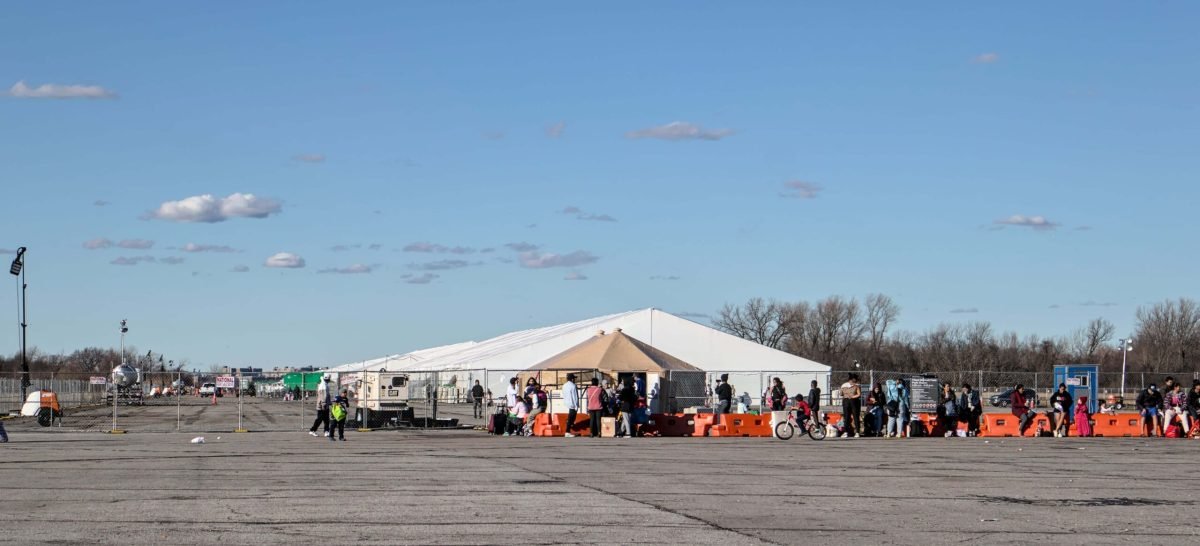
The mental health of the entire student body is at stake, and this includes immigrant students coming to New York City.
Mental health problems affect the lives of many students and can reduce their quality of life, academic performance, physical health, and negatively impact relationships with friends and family.
Mental health can take an even harder toll on immigrants because of everything they’ve been through to get here. It can be difficult for immigrant families to access mental health services in the United States, which the NYU Langone Family Health Center strives to alleviate.
NYU Langone Family Health Center has committed to hiring bilingual and bicultural health care providers to meet the mental health needs of newly arrived children and adolescents.
They implement school behavioral health programs in 24 New York City schools to further meet the mental health needs of immigrants.
Dr. Ruth Gerson, a child and adolescent psychiatrist and the center’s associate medical director for outpatient behavioral health, said these behavioral health programs take a holistic approach to students and families. .
“Our clinicians work closely with our programs across NYU to ensure that we not only meet the needs of our students, but also provide families with the other resources they need.” said Dr. Gerson. “We know that one of the most important things for a young person’s well-being is the health of their family, their mental health and their sense of security.”
Behavioral health programs are available to immigrant students who require mental health supports and services. They can connect them to a wide range of other family support services provided by NYU and its community partners.
This is to ensure that all of the migrants’ needs are met and that they receive the help and care they need. They make every effort to ensure that all of NYU Langone’s resources are at the disposal of young people and their families.
Behavioral health programs are implemented throughout Brooklyn, including Red Hook, Coney Island, Sunset Park, Canarsie, and Bedford-Stuyvesant.
The program is located at a school in Astoria, Queens. They plan to expand to Manhattan soon.
Several schools have expressed interest in starting behavioral health programs in the coming weeks, and more are expected to start programs once the next school year begins.
These programs can meet the mental health needs of students.
Funded by a grant
NYU Langone receives federal grants to help support and expand its trauma program, thereby ensuring that the children they see receive the highest quality trauma treatment.
Many schools offer integrated services that are easily accessible to children and families, providing not only behavioral health but also physical health.
“Many young people who migrate are unable to maintain their physical health and are exposed to injuries during their migration,” Dr. Gerson said. “So we can definitely meet all of their needs.”
They strive to ensure that children feel safe and physically comfortable through the environment they provide. This is also important for children’s mental health after experiencing so much on their journey.
The staff at NYU Langone goes to great lengths to ensure that immigrants have the resources they need to remain in school. This includes helping them catch up and receive special education support if needed.
A recent study by the United Hospital Foundation found that adolescents miss 94 million days of school because of unmet mental health concerns.
They are a great resource for people who are experiencing difficulties, as services are easily available within schools. Families don’t have to struggle to find a clinic or find someone to treat them in their language.
“Our clinic can make sure they don’t miss school because of their mental health needs,” Dr. Gerson said. “High-quality, evidence-based trauma treatment can help us catch problems early and help children get the peace of mind they need to stay in school.”
NYU Langone is committed to valuing family social support, practical needs, and social determinants of health, the idea that our health is influenced by what’s in our environment.
These range from severe pollution in neighborhoods to violence that puts people at risk to lack of access to healthy food.
The idea is that the socio-economic background in which we grow up and a person’s life experiences can have a significant impact on people’s health.
“Achieving true health requires not only treating the physical effects of health, but also helping people have a healthier environment and addressing environmental issues that can make them more susceptible to disease.” It also needs to be addressed,” Dr. Gerson said.
Care manager resident
“We have a great program called the Family Support Services Program, and our therapists immediately refer to that program to comprehensively assess the family’s needs,” Dr. Gerson said. “Staff has a network of resources that they can draw on to provide the necessary case management.”
The program has a care manager who is dedicated to supporting families and understands the full range of housing resources that families are eligible for.
This is helpful because they may not have the language skills to navigate this on their own.
The program strives to assist immigrants with family support counseling, dietary nutritional support, language classes, job training for parents, case management, and more.
“Some of these programs are offered within our system, and some are offered in partnership with community engagement partners,” Dr. Gerson said. “I am always amazed at the extent to which we are able to bring families together.”
The School Behavioral Health Program provides resources to schools from the large NYU Langone Court and food drives.
The source of your greatest stress may be the one causing you the most pain at the time. It may be support with nightmares or memories of traumatic experiences on the trip.
“If we can help people cope with tangible stresses like food, clothing, work, and language skills, there is more room for people to focus their attention on solving their mental health needs,” Dr. Gerson said. Ta.
The amount of additional support your child will receive if they arrive after the start of the school year will depend on their circumstances. This is because some people may have missed several months of school during the migration process, and such disruptions do not occur afterwards.
They help families get the testing and Individualized Education Plans (IEPs) they need to make adjustments, whether the transition is in the middle of the school year or the beginning of the year.
The program will also connect monolingual Spanish-speaking patients with bilingual mental health providers via telehealth if their school does not have a bilingual therapist.
“It’s great for young people to feel like they’re building deeper personal relationships,” Dr. Gerson says. “We will do whatever the young people feel is best for them.”
“We know that immigrant youth need professional support in understanding their culture and their personal, family, and community experiences,” Dr. Gerson said. Stated. “Research shows that nationally, many immigrant youth are not receiving care because they fear they will not be understood or trusted.”
NYU Langone is committed to providing mental health and services in a way that understands the experiences of immigrant youth and the trauma they have experienced.
They provide trauma-informed care, specialized treatments, and have bilingual health care providers so youth and families can see people who understand their culture and language. Masu.
