

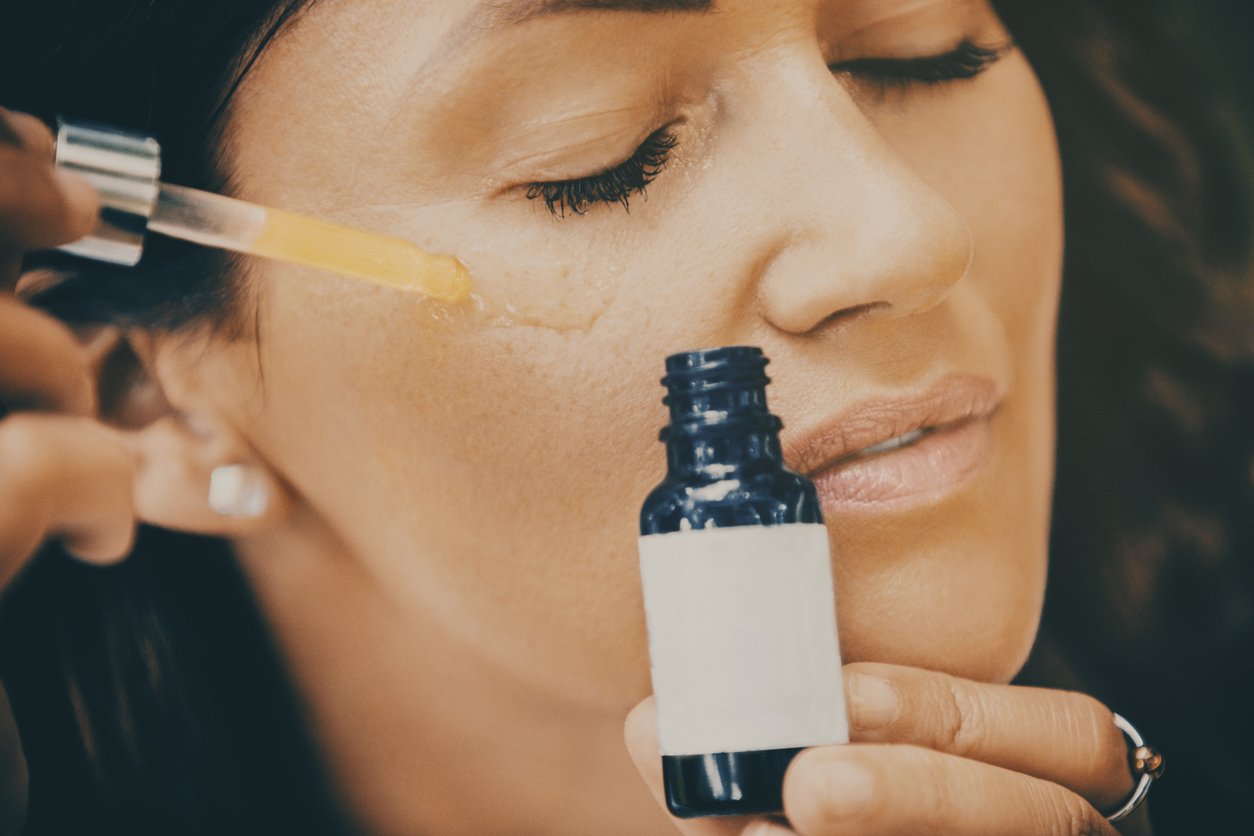

New EU regulations limit sale of cosmetics containing more than 0.3% retinol
New research shows that even at concentrations as low as 0.1%, retinol can significantly improve skin texture, tone and overall appearance, effectively combating the signs of aging.
The new clinical analysis, conducted by Kenview, the company behind popular skin care brands such as Neutrogena and Aveeno, is believed to be the largest study of retinol published in the scientific literature.
The findings, published in the April issue of the Journal of Dermatology, support the effectiveness and tolerability of 0.1 percent retinol as a cosmetic product to target signs of skin aging.
This study reassures consumers that they can get significant anti-aging benefits without the side effects associated with stronger formulations.
The move comes in response to new EU regulations restricting the use of retinol in cosmetics, specifically regulating the sale of products containing more than 0.3% of this active ingredient.
Menas Kizoulis, senior director of global scientific engagement at Kenview, stressed that retinol is the “number one dermatologist-recommended anti-aging cosmetic ingredient” and remains in high demand among consumers.
However, Kizoulis cautioned that not all retinol products are created equal, noting that “the ingredient is difficult to formulate and stabilise.”
He highlighted that Kenvue has extensive expertise backed by more than 30 years of experience in formulating and patenting retinol products, and that this study demonstrates the effectiveness of the company’s properly formulated and stabilized bioactive retinol in promoting clinical skin health benefits.
As Kizoulis noted, Kenvue’s patented formula slowly releases retinol into the skin.
The company’s new clinical analysis included six controlled studies of stabilized bioactive retinol 0.1% in women aged 30 years or older with mild to moderate signs of UV photodamage, such as forehead wrinkles, crow’s feet and dark circles.
Of the total participants, 237 received daily retinol treatment and 234 received vehicle only.
Results demonstrated that retinol provided greater improvement in all signs of photoaging compared to base, with visible changes occurring as early as week 4 and continuing through week 12.
The authors concluded that although some participants experienced mild to moderate transient irritation, retinol and its vehicles were well tolerated over 12 weeks and no severe irritation was reported.
“This vehicle-controlled analysis provides compelling new evidence that this ingredient effectively reduces the signs of skin aging without causing irritation,” said Patricia K. Faris, MD, MS, FAAD, lead author of the study and clinical associate professor of dermatology at Tulane University School of Medicine.
Dr. Faris, who is also a dermatologist in private practice in Louisiana, added that the findings provide further support for the use of products containing 0.1 percent stabilized bioactive retinol to combat the signs of aging.
Retinol is a foundational ingredient in many Kenvue products and has been proven to effectively reduce the signs of skin aging.
Kenvue launched the first prescription retinoid in 1971 and pioneered retinol stabilization by being the first to perfect the retinol stabilization process, leading to its introduction in the U.S. and the filing of the first retinol patent in 1990.
