

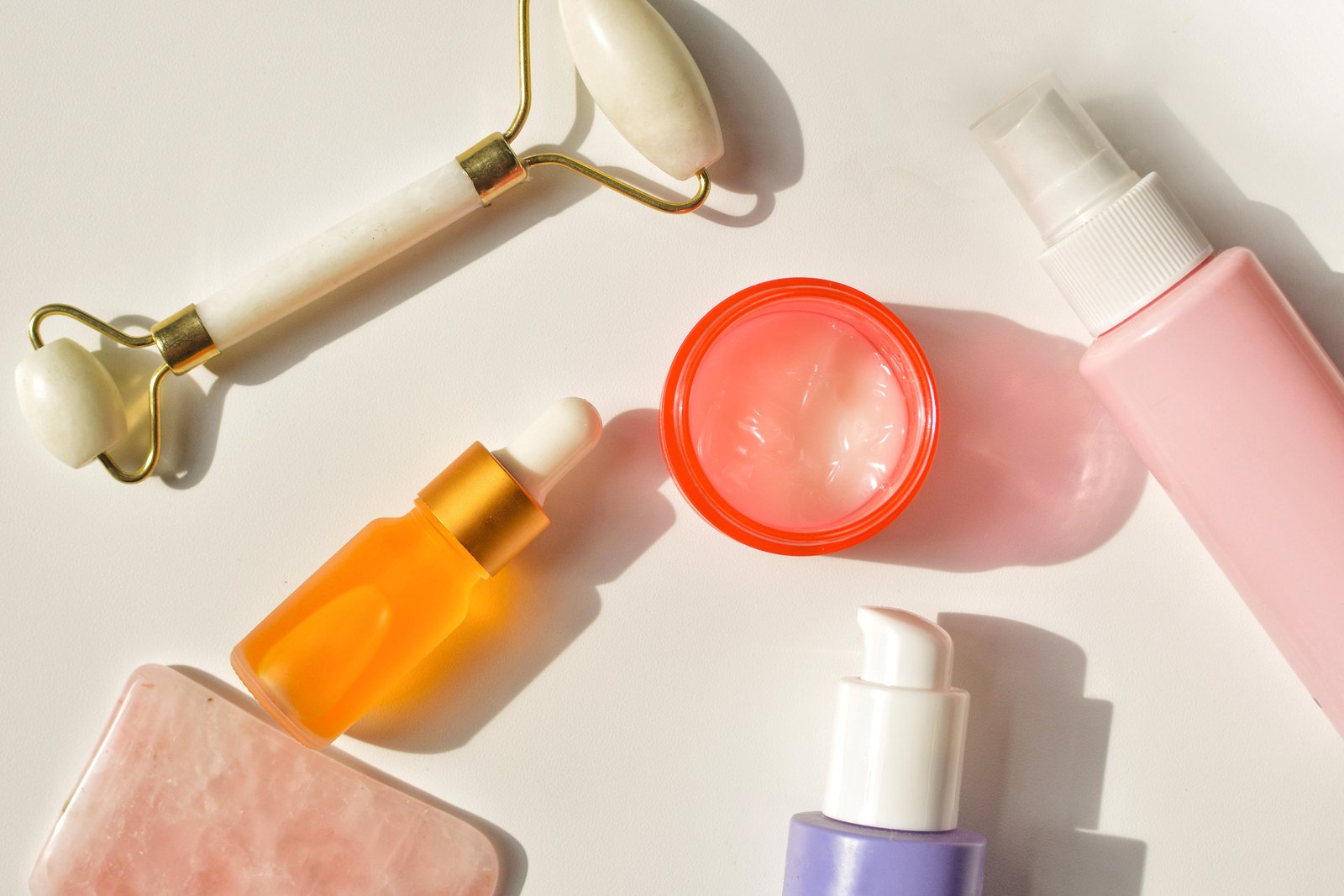
Amid growing concerns about “Sephora Kids,” brands and lawmakers are considering a novel measure to curb Gen Alpha’s penchant for pricey beauty products: an outright ban on kids from buying anti-aging skin care products.
In April, California Assemblyman Alex Lee introduced a bill that would ban children under the age of 13 from purchasing over-the-counter products that contain anti-aging ingredients such as alpha hydroxy acids, retinol, and retinoids.
The bill passed the Environmental Safety and Hazardous Substances Committee last month but was not debated in the state Assembly on May 16. Lee cited the possibility of protecting children from the “unnecessary harm of anti-aging products” that can damage their skin. Lee is not the only one who thinks age restrictions on skin care products will help deter kids from Sephora. In March, Swedish drugstore giant Apotek Hjaltat stopped selling “advanced skin care products” with formulas that contain anti-aging ingredients such as retinol, vitamin C and certain acids to anyone under the age of 15.
But opponents said the measure would be too difficult to enforce. The Personal Care Products Council, a trade group representing 600 cosmetics companies around the world, argued that if the bill passed, retailers would be forced to implement new procedures, such as training cashiers to check customers’ ages and to spot products with sufficient “anti-aging” claims.
More importantly, is a skin care ban really the best way to address kids’ growing obsession with appearance? Experts aren’t so sure.
Ellen Marmur, board-certified dermatologist and founder of MMSkincare, isn’t surprised that anti-aging products are becoming popular among teenagers and pre-teens, as the allure of beauty products promoted on social media through advertisements, “Get Ready with Me” videos and more can be hard for even the most discerning shoppers, let alone kids, to resist.
While Dr. Marmur doesn’t believe banning anti-ageing products will ultimately prevent kids from seeking them out, she does believe that these measures “can open up conversations with parents about hygiene, skincare and make-up to their kids.”
Don Grant, a psychologist and national consultant for health device management at Newport Healthcare, agrees that parents have a responsibility to educate their children about the safety and appropriateness of certain skin care products, but he also thinks brands and retailers should at the very least warn shoppers about the potential negative effects that anti-aging ingredients can have on tweens and teens’ skin.
“We already have these restrictions on alcohol, nicotine, cars, medicines and even amusement park rides,” Grant said. “The reality is that kids can and do find ways around these restrictions, but it’s vital that we at least inform and spread the right messages.”
Speaking of crafty kids, Grant acknowledges that banning anything can backfire, “especially when minors are involved.” No matter how hard adults try, kids often reach for “forbidden” products like alcohol and tobacco. The fact that something is forbidden makes it seem more appealing.
In Sephora’s larger crackdown on kids, a ban (or at least a warning) may be a first step, but it’s not a comprehensive solution. As Dr. Marmer says, “there’s no magic formula for any problem.”
