

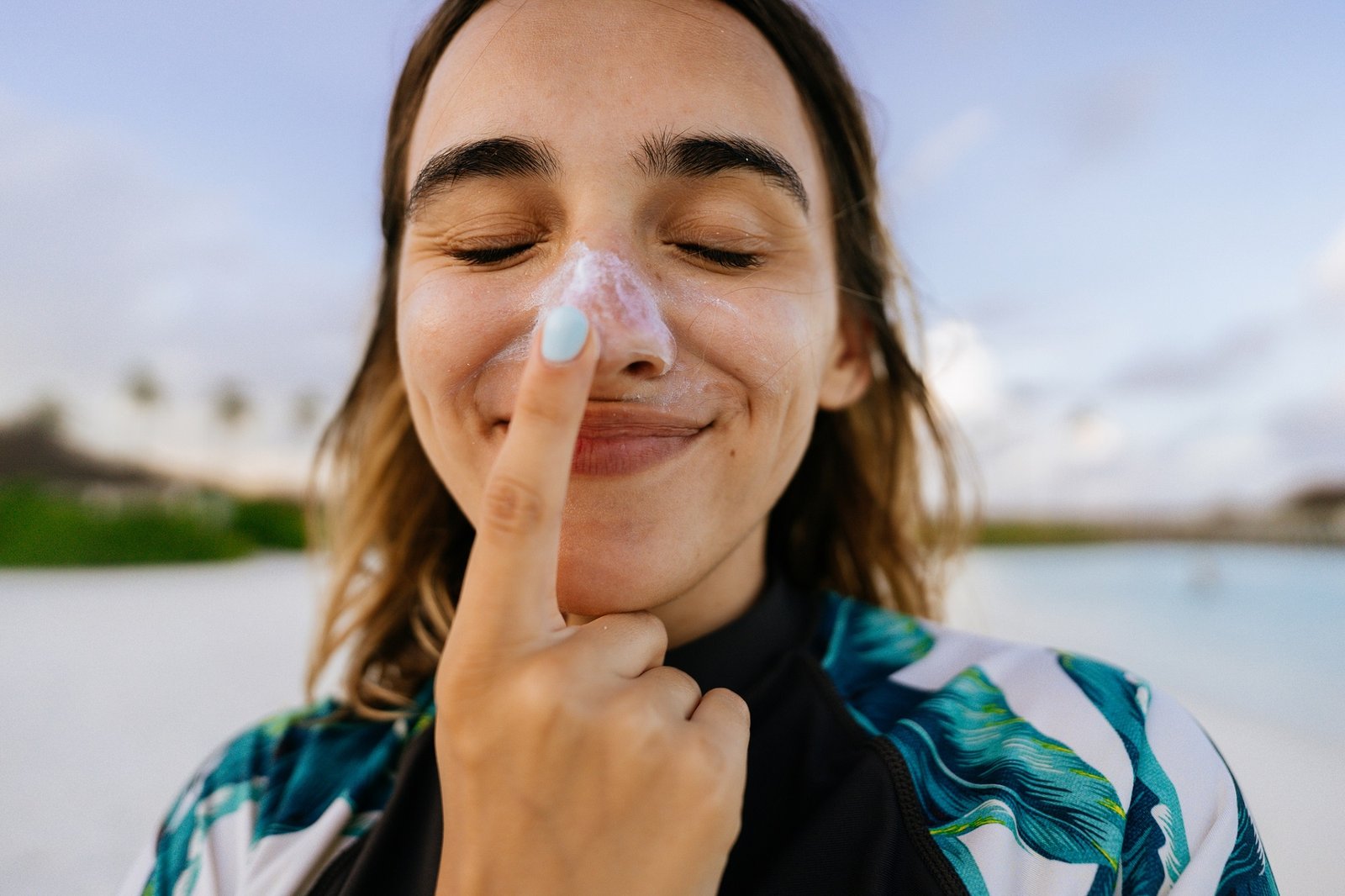
A recent Mintel report revealed that “more than a third (35%) of Gen Z consumers and almost half (47%) of millennial consumers who are taking better measures to protect their skin than they did last year are more concerned about aging than they were a year ago.” This data reflects a larger trend in the U.S. sunscreen market, which market research firm Statista reports is currently “seeing a surge in demand for natural and eco-friendly sunscreen products.”
The Mintel report further states that “three-quarters (74%) of millennials and two-thirds (64%) of Gen Z trust traditional sunscreen more than newer beauty and personal care (BPC) products that have built-in SPF,” and that “nearly half (48%) of U.S. consumers aged 18 and over say they use beauty products with SPF every day.”
To learn more about the changing relationship between younger US consumers and the sunscreen market sector, we spoke with Joan Lee, Senior Analyst, Beauty and Personal Care at Mintel, about her insights and takeaways from the report.
Main factors
“The increasing interest in and use of sunscreen and skin care products, especially among younger generations, is mainly due to growing awareness of the long-term effects of sun exposure and wider understanding of the health benefits of skin care,” Lee said.
She explained that awareness of skin care health issues is becoming more widespread and understanding is becoming more common, mainly due to “social media and influencer marketing,” which “have played a key role in educating this age group and making sunscreen part of a holistic approach to health and self-care.”
In addition to social media playing a major role in educating consumers about sun protection, Lee said the beauty and skin care industry’s education and health focus has grown to include skin protection, “going beyond the well-known link between unprotected sun exposure and damaging skin health.”
The skin care industry has responded by focusing on “developing multi-function BPC products that combine sunscreen with other skin care and beauty benefits,” making it “easier and more attractive for consumers to incorporate skin protection into their daily lives.”
Concerns about sun protection are intrinsically tied to concerns about aging. According to Statista, the US anti-aging skin care market was worth more than $1 billion last year, driven in large part by concerns about aging. [which] “As a result, consumers are investing in products with long-term preventative effects, such as sunscreens that provide effective protection against UVA and UVB radiation,” Li explained.
“We are seeing an increased demand for sunscreens that combine traditional sunscreens with additional anti-ageing properties against blue light exposure, pollutants and oxidative stress,” she continued, reflecting a shift in mindset towards skincare purchasing behaviour.
Product Impact
Performance and effectiveness are key trends in skin care for 2024, and will be especially influential for Millennial and Gen Z consumers of sun protection products.
“Despite the proliferation of beauty and personal care products with SPF, trust in traditional sunscreens lies in a fundamental consumer expectation from sunscreen: effective protection,” said Lee, adding, “At the end of the day, millennial and Gen Z consumers still prioritize protection against cancer and signs of aging, and they expect companies with experience in this space to effectively deliver this protection and give them peace of mind.”
This includes “the widespread use of BPC products with SPF,” which Li said is “likely driven by convenience and an overall health consciousness rather than simply sun protection.”
In addition to products that effectively protect the skin from sunburn, the use of self-tanning products, which recreate a tan without exposure to sunlight, is also on the rise. According to a Mintel report, “use of self-tanners among U.S. adult consumers will nearly double from 8% in 2023 to 13% in 2024.”
“We believe the increase in self-tanner use is due to continued interest in achieving a radiant, tanned complexion without the damage caused by UV rays,” Lee explained. “Self-tanners have evolved to offer a more natural finish and additional skincare benefits, making them more compatible with regular skincare and bodycare routines.”
Market Evolution
“Looking forward, the sunscreen and skincare market is expected to see continued growth and innovation,” Li concluded.
According to a Statista report, the U.S. sunscreen market is “expected to grow at an annual rate of 1.78% (2024-2028 CAGR),” he said, adding that “consumer demand for products that offer both protection and skin health benefits will drive the development of advanced products.”
Furthermore, Lee added, “A stronger focus on better-for-you ingredients and inclusivity will further shape our product offerings to cater to a wide range of consumer needs and preferences,” and “education and advocacy around sun safety and skin care health will remain central, reinforcing the importance of sun protection in overall wellness.”
