

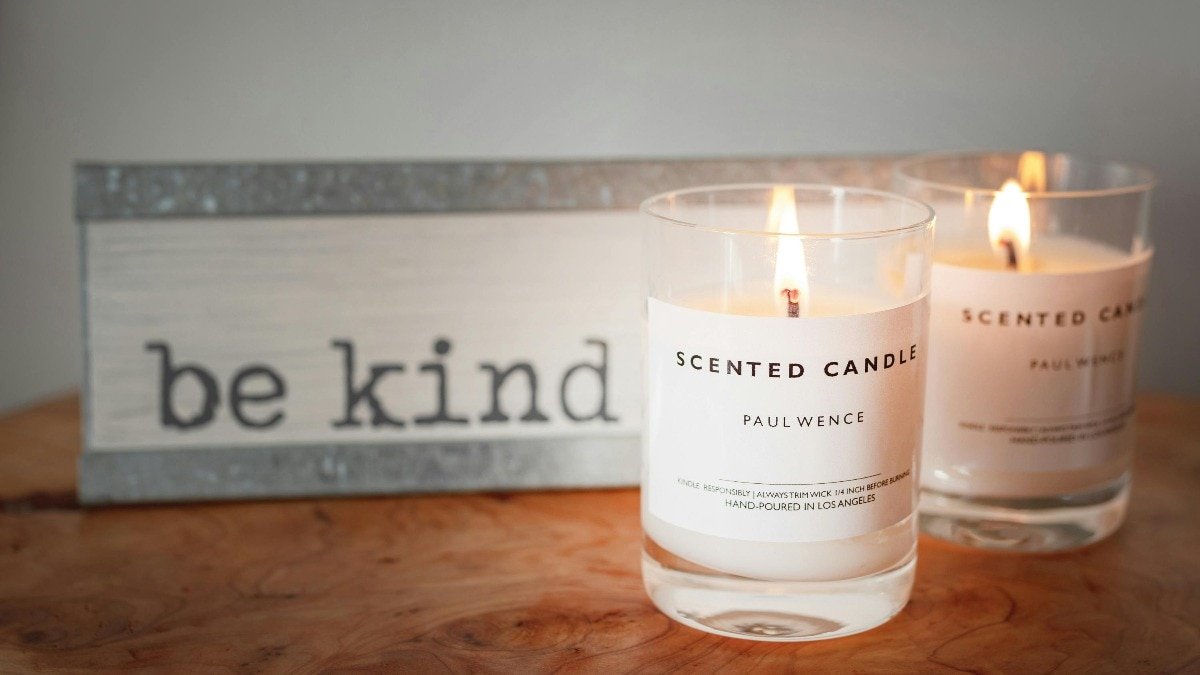
After a tiring day, lighting your favorite candle set and sitting down while reading a book or your favorite series, or indulging in your skin care routine seems like the perfect way to relax. Isn’t that so?
But what do you do if you’re told that your scented candle isn’t very good for your health? Instagram has been flooded with videos lately of doctors, especially pulmonologists, showing off our favorite scented candles. It warns us that we are doing more harm than relaxation to our bodies.
The growing boom in aromatherapy
There is no doubt that the craze for aromatherapy and scented candles is growing over time. Looking at the numbers (by Google)mobile searches for aromatherapy and essential oils have increased by more than 70% in the past two years.
But what leads to this epidemic?
Ridhima Kansal, director of home fragrance brand Rosemoor, explains that the huge rise in popularity of scented candles is due to a combination of factors. For example, scented candles have a “multisensory interaction” that expertly evokes not only the sense of smell but also sight and touch.
“The soft, relaxing light of the candles spread a warm scent throughout the room, creating a tranquil and calming atmosphere that soothes and relaxes the mind. This is especially true among people who are under stress in their daily lives. This explains the growing popularity of candles,” says Ridhima.
Riddhima also explains that today people are looking for a symbolic look of luxury that is reflected in some way by scented candles.
- This is reflected in the numbers: According to the National Candle Association, 9 out of 10 candle users say they use candles to make a room feel cozy or cozy.
- The survey also revealed that 90% of consumers working from home say having a nice scent makes their workday more enjoyable.
Nowadays, they are also used as last-minute luxury gift items, resulting in a surge in candle sales.
Pop culture has also played a big role in promoting the desire for luxurious, yes, calming scents in candles. From “Friends” to “Gilmore Girls” to “The Office,” such shows often associate candles with relaxation.
But are they not good for you?
Dr Ravi Shekhar Jha, Head and HOD of Pulmonary Department, Fortis Escorts Hospital, Faridabad, says the use of scented candles can have both short-term and long-term effects. .
Short-term side effects of scented candles
Dr. Rohan Kumar, Consultant Psychiatrist at Regency Hospital, Mumbai, explains that the use of scented candles can irritate the respiratory system, especially for people with sensitivities or allergies.
1. Allergic reaction
Some people may experience irritation or allergic reactions to the scents and chemicals emitted by scented candles, causing symptoms such as coughing, sneezing, and headaches.
2. Indoor air quality
Burning scented candles releases volatile organic compounds (VOCs) and particulate matter into the air, which can cause respiratory problems or worsen existing conditions such as asthma.
3. Sensory effects
Certain scents can cause headaches, nausea, and dizziness in sensitive people, which can affect their immediate health.
Long-term side effects of scented candles
1. Chronic respiratory disease
“Prolonged exposure to indoor air pollutants from scented candles can lead to the development or worsening of respiratory diseases such as asthma and chronic obstructive pulmonary disease,” Dr. Jha says.
2. Exposure to chemicals
According to Dr. Jha, continued use of scented candles exposes people to potentially harmful chemicals like phthalates (a group of chemicals used to make plastics more durable). These have been linked to hormonal disruptions and other health concerns over time.
scientific research
Several scientific studies have investigated the health effects of scented candles.
A study published in the journal Environment Impact Assessment Review found that burning certain types of candles can release significant levels of volatile compounds such as formaldehyde and benzene into the air. Ta.
“These chemicals have been linked to respiratory problems and other health problems,” Dr. Jha says.
Another study published in the journal Indoor Air looked at emissions from scented candles and found that they can produce particles small enough to penetrate deep into the lungs, causing respiratory problems, especially in people with pre-existing medical conditions. It has been found that it can cause disease.
Should I stop using candles completely?
Even with the short-term and long-term benefits, does that mean you should stop using scented candles altogether? Hmm, no.
Riddhima said that certain types and qualities of scented candles produced by brands may contain synthetic fragrances and other additives that can, in some cases, cause allergies and sensitive respiratory damage. He explains that it is also important to emphasize that
Therefore, it is important to focus not only on the scent of the candle, but also on its quality. Choose ones made from soy wax or coconut wax for a purer, healthier option. Unlike paraffin wax, these natural alternatives emit fewer pollutants.
