

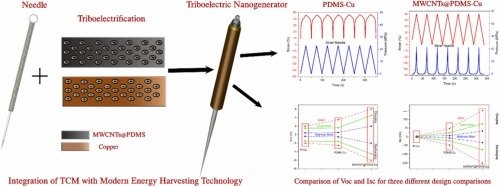
A key component of Traditional Chinese Medicine (TCM), acupuncture is a well-known and widely used treatment method for over 2500 years. [1]. Acupuncture involves inserting thin needles into the skin at predetermined points called acupuncture points (APs). [2], [3]. Much evidence shows that acupuncture holds important therapeutic effects against neurological diseases such as stroke, spinal cord injury (SCI), peripheral nerve injury, and neurodegeneration. [4], [5], [6], [7], [8]. Electroacupuncture is the process of applying electrical stimulation to the experimental area for cosmetic purposes.[5], [9] or for pain relief purposes. It has been shown to stimulate tissue repair in a variety of tissues, including bone structures where callus formation and promotion of bone mineralization have been observed.[10]. In addition, electroacupuncture has been demonstrated to have healing effects in chronic wounds that have become resistant to conventional treatments.Widely used in China to treat neurological diseases[11]regulation of transepithelial potential difference (TEPD) [12]. Electroacupuncture has been shown to be effective in wound healing through immune-inflammatory responses, cell proliferation, and tissue remodeling.[13].Also effective against Alzheimer’s disease[14]and Parson’s disease[15] Among other things. In addition to the effects of electroacupuncture on increasing skin blood flow, the expression and/or Decreased activation has been reported.report [16], [17].
Electroacupuncture (EA) is a type of acupuncture treatment that uses weak electrical currents to enhance the effects of needles.A growing number of clinical trials have proven the therapeutic efficacy of EA in analgesia [18], [19]high blood pressure [20], [21]depression [22], [23]and nerve regeneration [24], [25]. For example, Salazar, TE et al. [19] We found that stimulating the nervous system using EA releases repair mesenchymal stem cells (MSCs) into the peripheral blood, thereby promoting tissue repair and reducing pain caused by injury. Lee et al. [20] We stimulated Zusanli (ST36) and Shangjuxu (ST37) APs by EA and observed that the content of enkephalin precursors in the rostral ventrolateral region of the medulla oblongata of rats was significantly increased, indicating that EA can lower blood pressure. I showed it. Liu et al. [26] found that low-intensity EA stimulation at ST36 activates the parasympathetic nerve network, and the vagus nerve sends signals from the brain to the adrenal glands above the kidneys, suppressing severe inflammation such as infections and autoimmune diseases. I showed it. The World Health Organization (WHO) also lists approximately 360 APs and recognizes acupuncture as an effective treatment for 28 diseases, symptoms, and conditions. [27]. Recent trials have demonstrated the effectiveness of acupuncture in increasing pain thresholds and reducing anxiety. Such findings highlight the potential of TENG sensors to monitor and enhance the effectiveness of acupuncture treatment and contribute to advances in medical technology.[28], [29].
Electroacupuncture is useful for many diseases and may eliminate the need for anesthesia, but the equipment for power generation needs to be small and electroacupuncture must be self-generated. To address this issue, we have developed a highly sensitive, self-powered, and durable TENG sensor that does not require the heavy equipment required for electroacupuncture. Recent advances in energy harvesting and wearable sensing have increased interest in TENGs and high-performance piezoelectric yarns. TENGs are used in bioabsorbable biomedical applications, providing diagnostic, therapeutic, and antimicrobial applications. [30], [31], [32].
Challenges such as low output current and device reliability remain. New materials and techniques such as nanocomposites and ultrasonic energy harvesting address these challenges. His TENG, based on a sponge structure, provides stability under various conditions.Additionally, on-demand bioresorbable neurostimulators hold promise as medical implants that utilize ultrasound to achieve therapeutic effects. [33], [34]. Contributes to a comprehensive understanding of materials suitable for biomedical applications. Adhering to these principles ensures that our TENG sensors are safe and suitable for use in biomedical environments such as electroacupuncture without posing any threat to the human body.
Triboelectric nanogenerator energy harvesters provide a versatile solution based on miniaturization and self-powered sensor needs. TENGs are devices that convert mechanical energy into electricity by exploiting the coupling effect between triboelectric charging and electrostatic induction due to contact separation or relative sliding between two materials of opposite frictional polarity. [35]. Electrodes attached to the layers facilitate the flow of electrons to balance the electrical potential. In this research, we designed a breakthrough fusion of ancient wisdom and modern cutting-edge technology. There, acupuncture techniques are seamlessly integrated with his TENG to create self-powered electroacupuncture for advanced wound healing applications. As a result, a device with stable open circuit voltage (V) was obtained.oc) ±6 V, output of ±225 pA as short-circuit current (Isc). The sensor provided a stable and sensitive output with a force as small as 10 N and a frequency of 0.66 Hz, which was easily applied by the clinician.
