

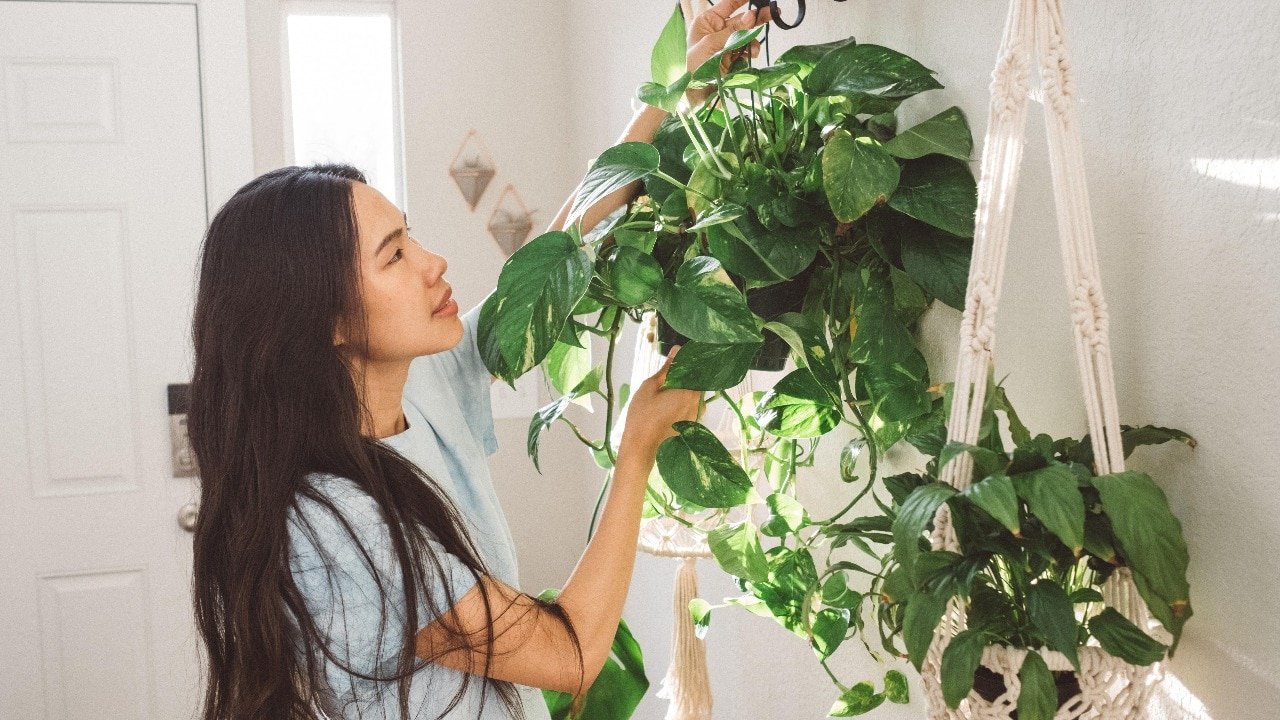
Spending time in nature, whether it’s a walk in the park or having plants in your home, is known to positively affect our health in many ways.
In fact, one study found that patients who had plants in their hospital rooms reported less pain, lower blood pressure, and less anxiety than patients who didn’t have plants in their rooms.
It’s no wonder that gardening has so many amazing health benefits. Not only is it good for your heart and immune system, it also helps protect your brain. Best of all, gardening is a great mood booster. Gardening has a positive impact on your mental health and helps relieve stress and anxiety.
“Exposure to plants and greenery has been shown to have a variety of mental health benefits, including reducing stress, reducing depression, improving sociability, restoring focus, improving cognitive performance, improving mood, and boosting self-esteem,” says Dr. Jamie Keaton-Jones, a psychotherapist in Washington, DC. Reader’s Digest (June 2023 edition).
“According to most people who garden, gardening helps boost mood and reduce anxiety,” said Dr P Venkata Krishnan, senior consultant, internal medicine, Artemis Hospital, Gurugram. India Today.
Gardening also releases endorphins, hormones that make you feel satisfied and relaxed.
But like any skill or hobby, gardening takes time and patience, so if you want to reap the mental health benefits of gardening, start with these seven plants.
1. Sansevieria
One of the most popular houseplants in Indian homes, Sansevieria is well known for its striking appearance and air-purifying properties and also makes a great first plant.
“They’re very easy to care for, they grow in low light, they look beautiful and they purify the air,” Jones says.
So if you’re looking to take up gardening as a hobby and reap its mental health benefits, planting a Sansevieria is a good place to start – plus, its dark green sword-shaped leaves with mustard or white stripes will also enhance the aesthetic appeal of your home.
2. Spider Web Plant
Spider web plants are another beginner-friendly plant. They can be grown both indoors and outdoors. They are also popular in bathrooms to create a more relaxing atmosphere.
“Sometimes people put spider web plants in their bathrooms because it brings a sense of warmth and comfort to the space, making an already relaxing bath even more relaxing,” said Tyler Keith, an avid gardener from North Carolina. RD.
This beautiful plant with lots of foliage tolerates humidity well and will grow in a variety of light levels, but does best in medium light.
3. Basil
Considered a sacred plant, basil (tulsi) is hugely popular in Indian homes, even those with creaky balconies and little outdoor space.
Experts recommend making it a part of your gardening routine for a variety of reasons.
“The experience of growing, picking and using your own herbs has a positive impact on mental health, creating a positive sensory experience and a sense of accomplishment,” said Dr. Jenny Seham, founder and director of AIM (Arts and Integrative Medicine) in New York City. RD.
Not only growing basil, but eating it also has mental health benefits, helping to reduce anxiety and stress and improving mental clarity.
4. Lavender
From skin care essentials to room fragrances, lavender is used in a variety of products for its relaxing scent.
Lavender is known to have calming effects and reduce stress, plus it promotes sleep and has anti-inflammatory properties – so you can see why lavender essence is included in many self-care products.
If you want to grow the plant at home, you can dry the leaves and keep them in a bowl, or you can sprinkle them in a bucket while you’re taking a bath.
Maintaining lavender plants can be difficult, especially for beginners in India, so be sure to stick to a watering schedule and choose a heat-tolerant variety.
5. Mint
Mint is a fast-growing, beginner-friendly plant that can be easily grown using rooted cuttings from your kitchen.No more haggling with vegetable vendors to get free veggies).
Enjoy your own mint leaves in a refreshing drink, Chas It also has a positive effect on your mood.
“You don’t even have to make tea, just smelling the leaves instantly calms you,” says Seham.
6. Money Plant
Money plants instantly add lush greenery to any space, indoors or out.
Not only is the money plant capable of thriving in both outdoor and indoor environments, but it can also thrive in water as well as soil. Its bright green, waxy leaves make a spectacular display as long vines that hang down from the pot or climb up a trellis.
Bonus: They’re easy to clean and also help filter the air.
7. Aloe Vera
Aloe vera is great for the skin and can even heal second-degree burns. It is rich in antioxidants and has antibacterial properties. We all know that it has health benefits. Plus, it’s easy to grow and drought-tolerant, making it a great addition to your garden.
It will grow well if you water it once a week or once every 10 days.
Hey, remember…
It’s not the number of plants you have in your home that matters, it’s your engagement with these green friends that matters most, for example, whether you devote time to your plants every day or if you see them often every day. Therefore, it’s important to have plants in places where you spend a lot of time.
If you’ve never grown plants before, start by growing a few easy-to-care-for plants. Growing lots of plants can be a bit daunting at first.
Experts say even a single plant can make a difference, as they attract people with their scent and colour, and generate positive mood responses every time they come into contact with them.
Most importantly, remember that gardening (or indoor gardening) is not a panacea for mental health issues: while gardening can help relieve stress and lift your mood, it’s no substitute for professional mental health help.
Take up gardening as a hobby as part of your overall health habits.
