

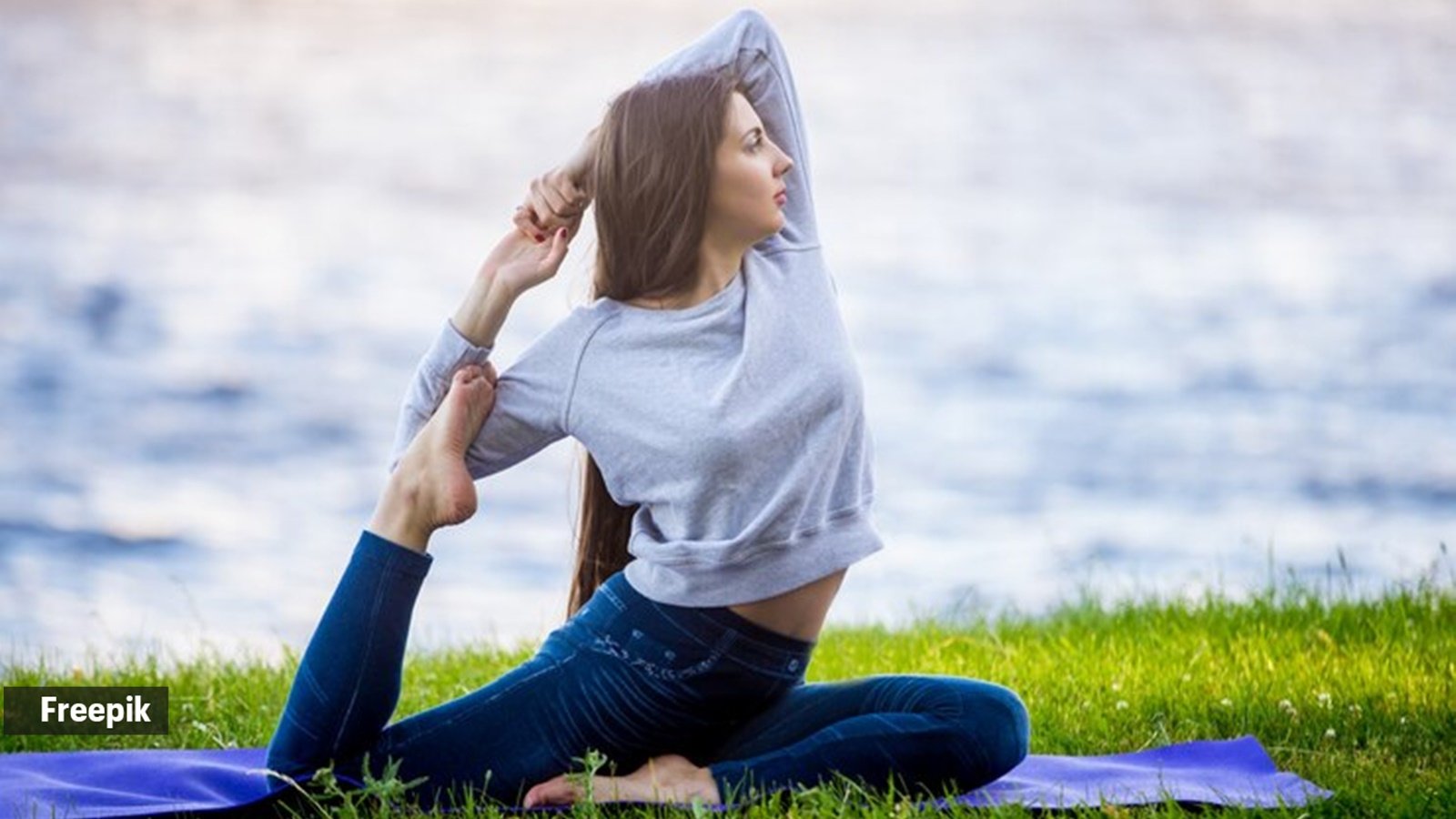
Yoga is an ancient Indian practice that harmonizes the body, mind and soul and has gained immense popularity around the world due to its numerous physical, mental and spiritual benefits.
“Yoga is a great way to get in shape and look after your body, mind and soul,” says Prashant Singh, a certified yoga practitioner from Bengaluru. “It’s not just about doing fancy poses, it’s about feeling good about your body and connecting with yourself.”
Acharya Lokesh of the Agastya Yoga School said, “Today in the 21st century, yoga is reclaiming its spiritual heritage, of which it is an important part. The central theme remains the highest goal of the spiritual path.The practice of yoga has direct and tangible benefits for everyone, regardless of their spiritual goals.”
These top 10 asanas recommended by Acharya Lokesh can easily be fitted into even the busiest schedule, providing a holistic approach to fitness and a renewed sense of vitality and inner peace.


Top 10 Asanas to Practice Daily to Stay Healthy
Tadasana: This asana helps in achieving physical and mental balance. It stretches and relaxes the entire spine and helps in unblocking the spinal nerves exiting the spinal column. Tadasana stretches the rectus abdominis, abdominal muscles and intestines and helps in toning the abdominal muscles and nerves during the first six months of pregnancy. The greatest benefit of this asana is, It stimulates the nervous system.
Trikonasana: This asana works on the muscles on both sides of the torso, hips and hamstrings. It stimulates the nervous system and relieves nervous depression. It improves digestion. It also strengthens the pelvic area and tones the reproductive organs. Regular practice of this asana helps in reducing fat around the waistline. Regular practice of this asana helps in controlling pitta dosha in the body.

Paschimottanasana: It stretches the hamstring muscles and increases flexibility in the hip joints. It also tones and massages the entire abdominal and pelvic region including the liver, gallbladder, spleen, small and large intestines, pancreas, kidneys, adrenal glands and urogenital system. Paschimottanasana is used to treat prolapse, menstrual irregularities, sluggish liver, colitis, kidney problems, eosinophilia and asthma. This is the only asana that can be practiced to reduce fever.

Ardhmatsyendrasana: This asana helps with lower back pain, makes the spine flexible, stimulates the pancreas and controls diabetes. Ardhmatsyendrasana is practiced by intermediate level studentsThis asana tones the spinal nerves, makes the back muscles flexible, and relieves lower back pain and muscle spasms. It also reduces inflammation and tendency to calcification in the adjacent vertebrae. This asana stimulates the solar and lunar elements in the body.
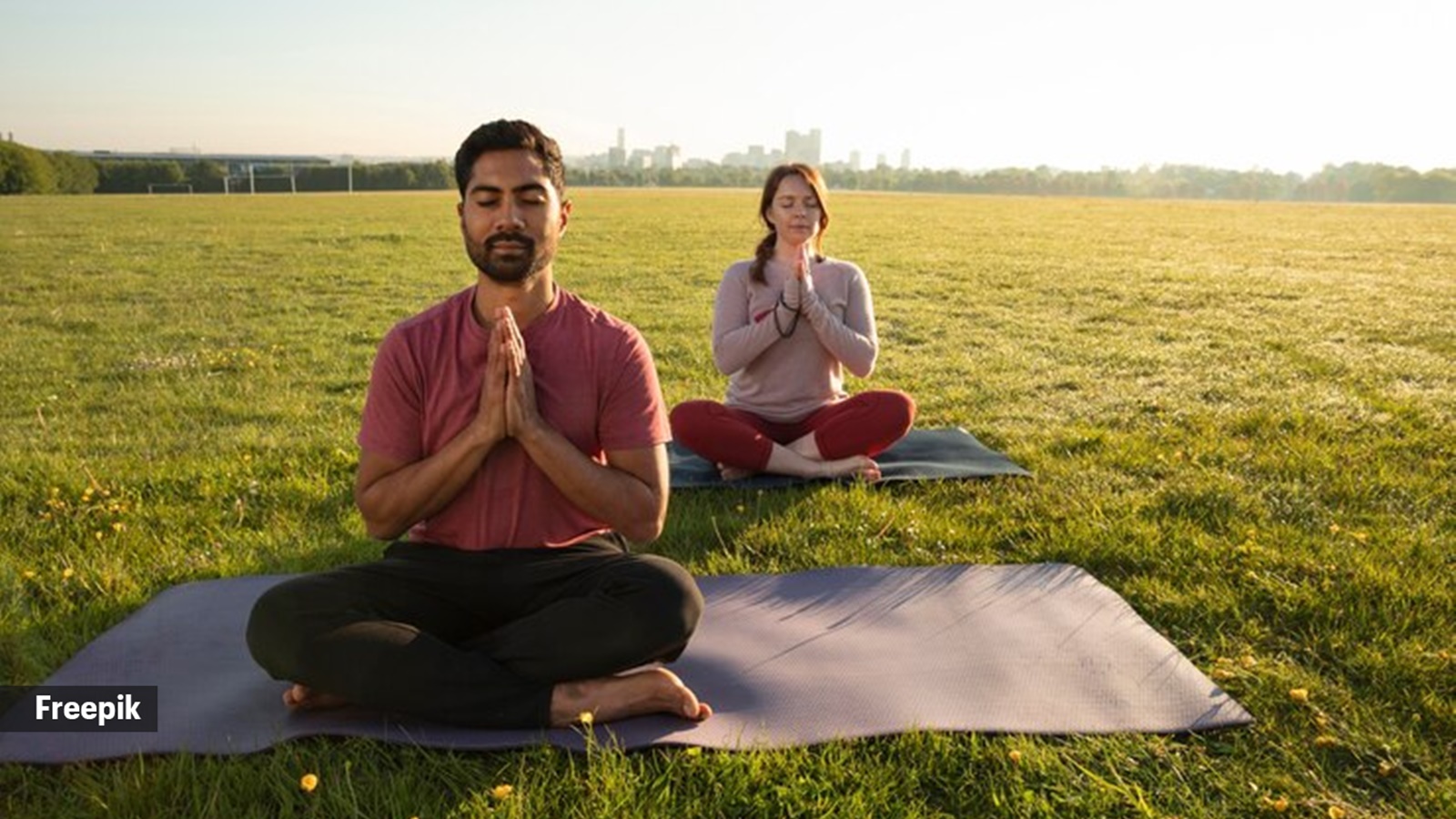

Padmasana: Padmasana helps in attaining physical and mental stability and peace. This is not just a belief but a physiological fact. During such an asana, the sensations emanating from the lower spine through the nervous system Nadi It enters the brain and calms the nervous system, experiencing mental peace which subsequently improves physical health.
Shalabhasana: This asana strengthens the lower back and pelvic organs, relieves lower back pain, sciatica, mild herniated discs (as long as the functions of the liver, stomach, intestines and other abdominal organs are not compromised), and also stimulates the appetite.
Bhujangasana: This asana expands the rib cage and improves and deepens breathing. It helps to relieve lower back pain and keeps the spine flexible and healthy. A stiff spine blocks all the nerve impulses that are sent from the spine to the brain and vice versa. By arching the spine, improving blood circulation in the back and tensing the nerves, this asana improves communication between the brain and the body. People suffering from herniated discs and sciatica may also benefit from this pose, but should exercise caution.
Vajrasana: Vajrasana is considered an advanced practice in yoga. In this posture, Prana Shakti (life force) is different from other meditation asanas. In cross-legged asana, if the feet remain in contact, the flow of Prana Shakti continues from one leg into the body. This is also true in Vajrasana. But in Vajrasana, Vajra Nadi is strongly influenced. Vajra Nadi teeth An important pathway for energy flow Vajrasana transmits nerve impulses from the brain to the reproductive and urinary systems. Vajrasana is also believed to help control sexual energy and redirect it towards the development of consciousness.
Bhadrasana: Bhadrasana (Titriasana) is an excellent asana for meditation. Vajra Nadi Anal area Ashwini and Vajroli Mudra This pose can also come naturally. On a physical level, practicing Bhadrasana: Prana (life force energy) and directs it upwards. There is also pressure on the Muladhara, Swadhisthana and Manipura chakras, so Bhadrasana is also an excellent way to calm the mind and reduce mental agitation.
Sarvangasana: Sarvangasana (Shoulderstand Pose) stimulates the thyroid gland by pressing the chest against the chin. This asana generally balances the circulatory, respiratory, digestive, reproductive, nervous and endocrine systems. It also calms the mind, reduces mental and emotional stress, eliminates psychological disorders and ultimately strengthens the immune system. Its effect on the parathyroid glands ensures normal bone development and regeneration.
Additionally, this pose may help tone the legs, abdomen, and reproductive organs, and flush out stagnant blood and abdominal fluid. Some believe it may also improve ear, eye, and tonsil function, but more research is needed to verify these claims.
New to yoga? Here’s what Shin recommends for you
calm down: Start with the basics and gradually challenge yourself.
listen: Your body will tell you what it needs, so if something doesn’t feel right, back off for a bit.
Get help: A yoga teacher will guide you Through proper form and alignment.
Props are your friends: Use blocks or straps for support, especially when you’re starting out.
warm up: Always start your practice with gentle stretches.
Stay hydrated: Drink water before and after your practice.
“Hold each pose for a few breaths at first and increase the time as you get stronger. Most importantly, have fun. Yoga is a journey, not a competition,” he stresses.
