


Summer brings longer days and more opportunities to spend time outdoors, but many of us in the UK still aren’t getting enough Vitamin D – an essential vitamin made in the body when exposed to sunlight.
According to the NHS, that’s about 10 micrograms (400 IU) of vitamin D per day. everyone Age 1 and up. While it’s possible to get this amount from sunlight between April and September, in practice this isn’t always possible, and some people believe it’s safe, so supplementation is generally recommended.
But to better understand the importance of vitamin D, and when is the best way to make sure you’re getting enough, we asked the experts for the facts.
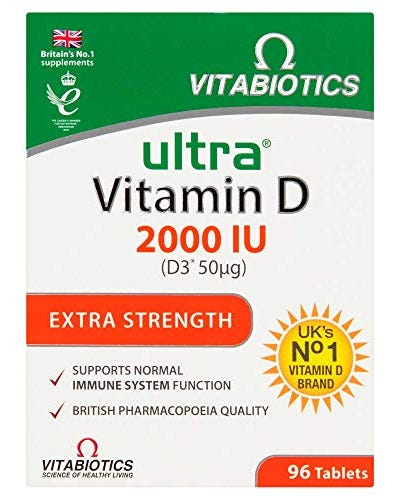
Vitabiotics Ultra D3 2000 IU

Better You Better You D1000 Vitamin D Daily Oral Spray
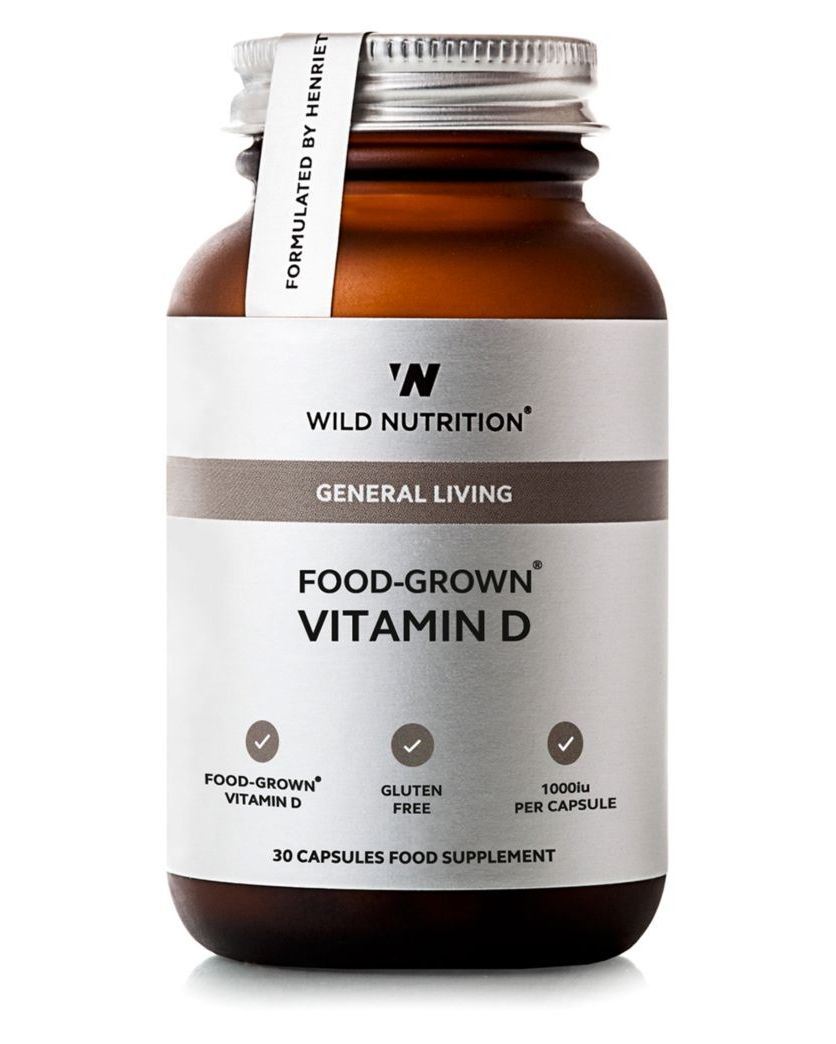
Wild Nutrition Food-Based Vitamin D
What is Vitamin D and why is it important?
“Vitamin D is essential to keep your body functioning smoothly and not getting enough can lead to serious health problems,” explains health expert Naomi Newman-Beinart, PhD. “Many people in the UK are deficient in this important vitamin, which is important for supporting healthy bones and teeth, mood and the immune system.” There is also evidence that vitamin D may help prevent some cancers, cardiovascular disease and multiple sclerosis.
How do you know if you have a vitamin D deficiency?
“Deficiencies can be detected with a simple blood test, so if you think you might have a deficiency, ask your GP to test you or get tested privately,” says nutritionist Kim Pearson. “Common symptoms of a deficiency include back pain, weakness, muscle pain and fatigue, although a deficiency can cause no symptoms at all.”
How much Vitamin D do you need?
“According to the NHS, everyone over the age of one needs around 10 micrograms (400 IU) of vitamin D per day, and the safe upper limit for vitamin D is 100μg (4,000 IU) per day,” Dr Newman-Beinart confirms.
“Getting vitamin D during the darker months is especially important, but anyone who spends most of their time indoors, has darker skin, is over 65 or under 5 years old, is pregnant or breastfeeding, or follows a vegan diet should consider taking a supplement all year round.”

Can you get enough Vitamin D from your diet?
“Foods such as oily fish (such as salmon and mackerel), red meat, liver, egg yolks and fortified foods (such as some cereals and spreads) can help you get vitamin D,” says Dr Newman-Beinart. “But while there are foods that are rich in vitamin D, diet alone is often not enough to meet recommended levels.” For those who don’t eat these foods and don’t get regular exposure to sunlight, she feels, “it may be worth considering taking a vitamin D supplement year-round.”
How does SPF affect Vitamin D levels?
“Although our bodies need some UV radiation to make vitamin D, most people can make enough without spending long periods in strong sunlight or risking sunburn,” says Sarah Williams, health information manager at Cancer Research UK.
“Sunscreen is essential for protecting your skin from harmful UV rays, but it can also interfere with vitamin D synthesis,” explains Dr. Newman-Beinart. “SPF works by blocking UVB rays, the sunlight that stimulates your skin to make vitamin D.” But experts unanimously agree that this doesn’t mean you should skip wearing sunscreen. “Instead, manage your sun exposure wisely. For example, short periods of exposure (about 10 to 15 minutes) without sunscreen are enough to produce vitamin D, then apply sunscreen afterwards to prevent longer exposure.” Or you can rely entirely on supplements.
What is the best way to supplement with Vitamin D?
BetterU D3000 IU Oral Spray

Shabir Daya, a pharmacist specializing in vitamins, recommends taking BetterU D 3000 IU Daily Oral Spray in the winter and switching to the brand’s 1000 IU Daily Oral Spray in the summer. Dr. Newman-Beinart agrees, saying, “BetterU uses scientifically-backed intraoral spray technology that delivers active ingredients through the cheek (inside the mouth) rather than relying on absorption by the digestive system.”
The mouth is an excellent receptor for supplements, she says, “because it has soft, absorbent tissue and is very close to the body’s venous system.”
