

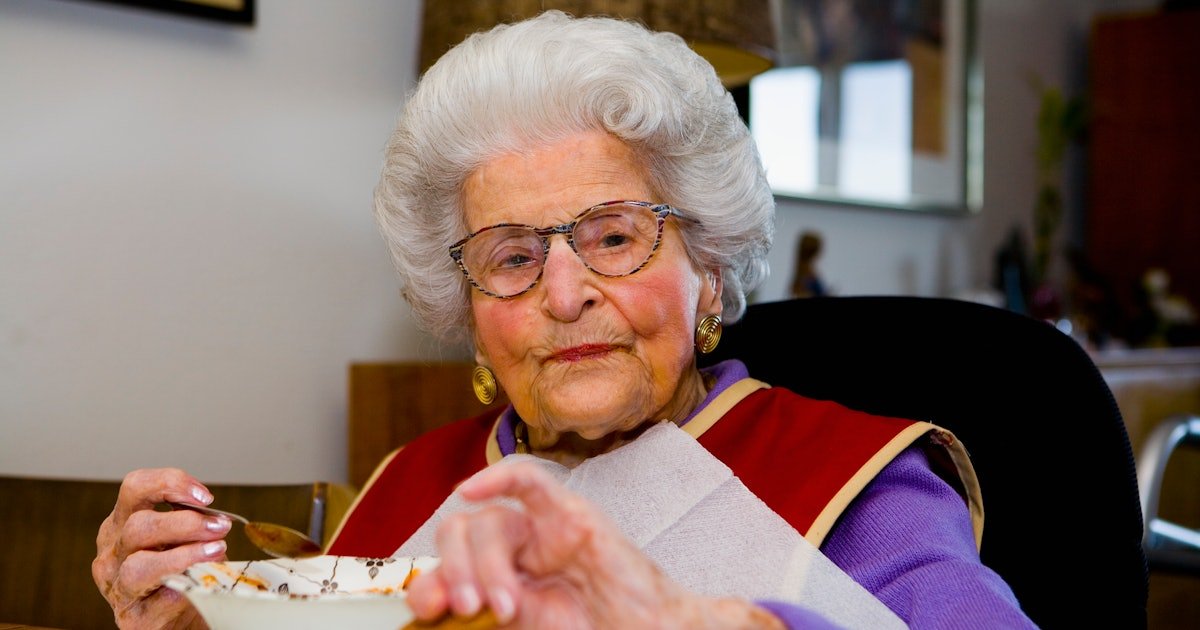
When reporting on someone who lives to be 100 or even 110 years old, it’s common to ask the question: “What did you do to deserve this longevity?”
Inevitably, some interesting and unexpected answers emerge: fish and chips every Friday; a glass of hard alcohol every day; bacon for breakfast every morning; wine and chocolate.
This is a question we often hear in the news, but it’s one that doesn’t really have much meaning when it comes to understanding why certain people live longer than they do. I’d like to explain why through beautiful architecture, fighter pilots, and statistics.
In World War II, Allied statisticians used their techniques to minimize the number of bombers shot down by enemy fire: by studying the damage patterns of bombers returning from battle, they could map the parts of the aircraft that were most frequently damaged and then add expensive, heavy armor to these parts.
Simple enough, right? Then statistician Abraham Wald comes along and argues the exact opposite: all the planes they’re studying are planes that returned from combat with severe damage, but what about the ones that didn’t return?
Wald argues that armor should be added to the intact sections of all returning planes, because planes that hit these intact sections were shot down and never returned to be investigated.
Survivorship bias
This phenomenon is known as survivorship bias, a cognitive and statistical bias that results from counting only what can be counted and ignoring what does not “survive.”
Let’s take these examples to the point of absurdity. Imagine a group of 100 people who have been smokers all their lives. As a group, the smokers will die early from cancer, lung disease, and heart disease, but one or two might overcome the odds and live to be 100 years old. Now imagine an intrepid journalist interviewing these lucky individuals on their 100th birthday with that classic question: “What do you consider to be the ingredients for successful aging?”
“I smoke a pack of cigarettes a day,” says the recent centenarian.
It seems obvious, but survivorship bias exists everywhere in society. We can think of famous actors or entrepreneurs who thrived despite adversity, worked hard, believed in themselves and one day made it. However, we never read or hear about the countless examples of people who never made it despite trying and giving it their all.
This is not good news for the media. But it creates a bias: we hear mostly about success and never about failure. This bias applies to our perceptions of architecture (great buildings of a certain era mostly “survive”), finances (we often hear examples of people who succeeded with risky investments, but those who failed didn’t sell books or self-help plans), and career planning (“If you work hard and drop out of college now, you can be a successful athlete like me,” say successful people).
I work with a wide variety of older adults, including some extreme outliers who have lived to extreme ages. Currently, we are studying people aged 65 and older who continue to exercise at unusually high levels into advanced age and maintain excellent health.
They are incredible examples of older adults, and despite being nearly twice my age, many of them are faster, healthier and stronger than me by many of the measurements we take in the lab.
Although we know that lifelong physical activity is associated with exceptional health in later life, we cannot directly say that one causes the other. It may be that active people are protected from chronic diseases such as cancer, diabetes, and heart disease. But it may also be that these people are active in later life because they were not plagued by cancer, diabetes, or heart disease earlier in life.
Conversely, there may be a third, unknown factor that we have not yet identified that is keeping these people healthy and continuing to exercise.
To be clear, there are things that scientists like me can say, carefully and in scientific terms, that can probably help you live longer: being physically active, not overeating, not smoking, and generally having a positive outlook on life, and of course, choosing the right parents and grandparents, are all on that list.
Correlation is not the same as causation. This is something science students are relentlessly drilled into us. This is how our brains work: we find patterns between two variables and assume they are related in some way. But, like survivorship bias, often times we don’t look at all the data and end up finding patterns where there aren’t any.
This article was originally published on conversation by Bradley Elliott in University of WestminsterRead the original article here.
