


When it comes to the supplements your body and brain need, there is no one-size-fits-all solution, but your age and lifestyle can help determine which vitamins and minerals are worth adding to your diet and when. I recently left a stressful job to freelance and get more exercise outdoors, now in my mid-40s. As a certified personal trainer and nutrition coach, I knew that these life changes also changed my need for supplements. I took a daily multivitamin and curcumin to help with the increased activity that could be causing arthritis, and increased protein for muscle repair. I added vitamins C and A to fight aging skin, and reduced my vitamin D intake as I spent more time outdoors in the sun.
While it’s best to consult a nutritionist or registered dietitian for personalized advice, there are certain vitamins, minerals, foods, and other supplements that are generally beneficial at certain life stages.
20s to early 30s
“At this age, a quality diet is the starting point. If you can do that, the actual need for supplements is very limited – apart from vitamin D3 and omega-3, which are often lacking,” says nutritionist Jules Strauss. “Vitamin D is highly relevant to bone health, as it is needed to promote calcium absorption. We get vitamin D from the sun, so it’s less important in the summer, but in the darker months it’s worth taking a supplement as the body can’t produce it.”
Similarly, your body can’t produce omega-3s, which are important for brain health, nervous system and heart health, and are also linked to post-exercise recovery, says Strauss. He also points out that they can help relieve stress and fight depression. “Oily fish is a great source, but ideally you’d want to eat oily fish two to three times a week. Not many people do, so supplementing with a supplement is a good idea. There are also seaweed- and algae-based vegan options.”


Age isn’t an absolute factor in determining an individual’s micronutrient needs, as everyone is different, but diet and lifestyle factors are a good indicator. For example, this age group is more likely to consider a plant-based diet. If this applies to you, “supplement with vitamin B12, iodine, vitamin D, iron and zinc, which are hard to get from plant foods,” says Carrie Luxton, PhD, dietitian at the Health and Food Supplements Information Service. “Vitamin B12 is only found in animal foods or foods made from microorganisms such as yeast.”
Research shows this age group is the most likely to exercise and put strain on muscles, so in addition to increasing protein, add “B vitamins to help release energy from food, anti-inflammatory vitamins C and E, and magnesium for muscle function,” says Dr. Luxton. “Women who are exercising intensely can also benefit from iron supplements,” she adds. This is to combat iron lost through sweat and menstruation. “During menstruation, you can lose iron that you can’t necessarily replace through your diet. Iron deficiency, which up to a third of women experience, can lead to fatigue and shortness of breath.” If you sweat a lot or train in hot weather, you may want to consider an electrolyte supplement containing sodium and potassium to replace the salts lost through sweat.

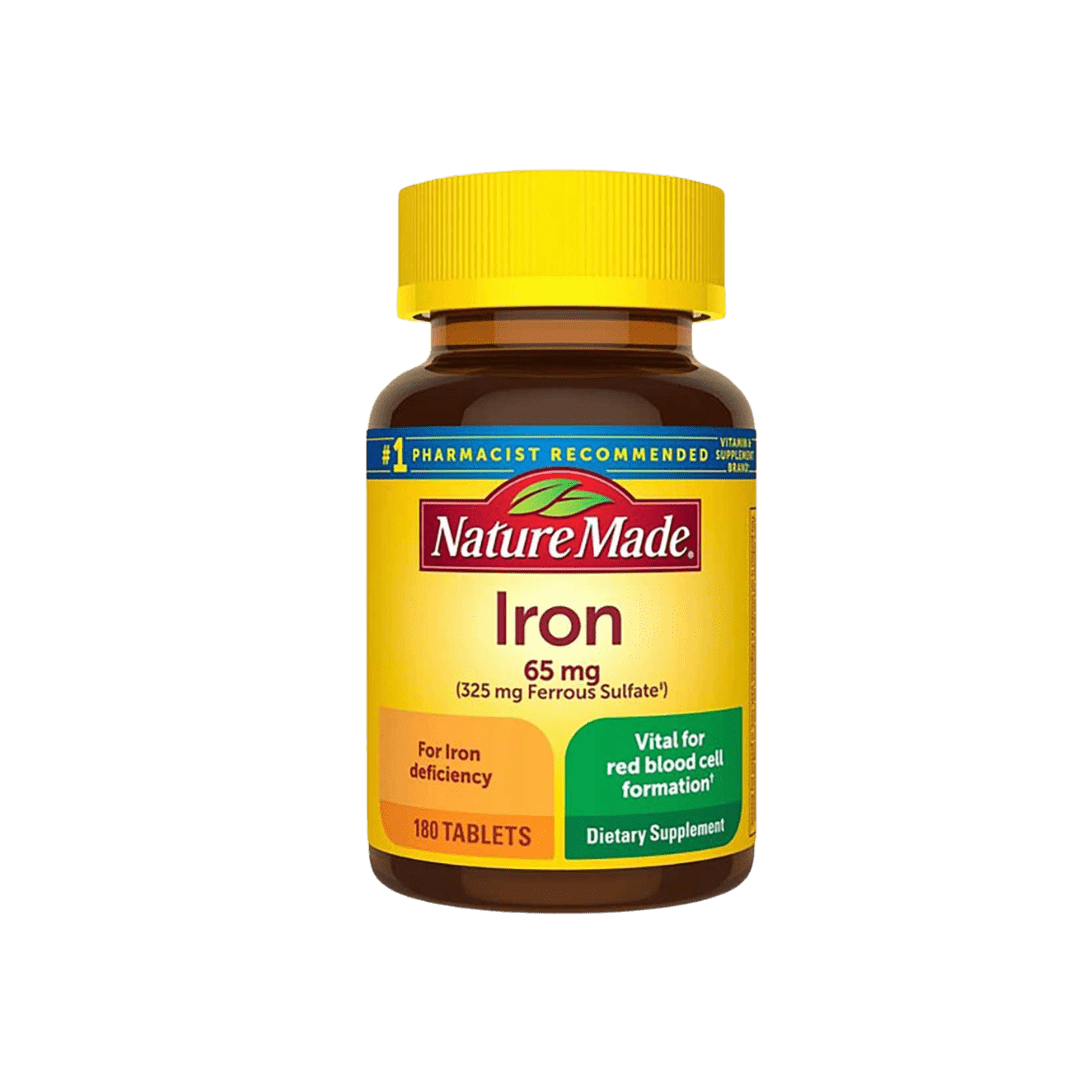
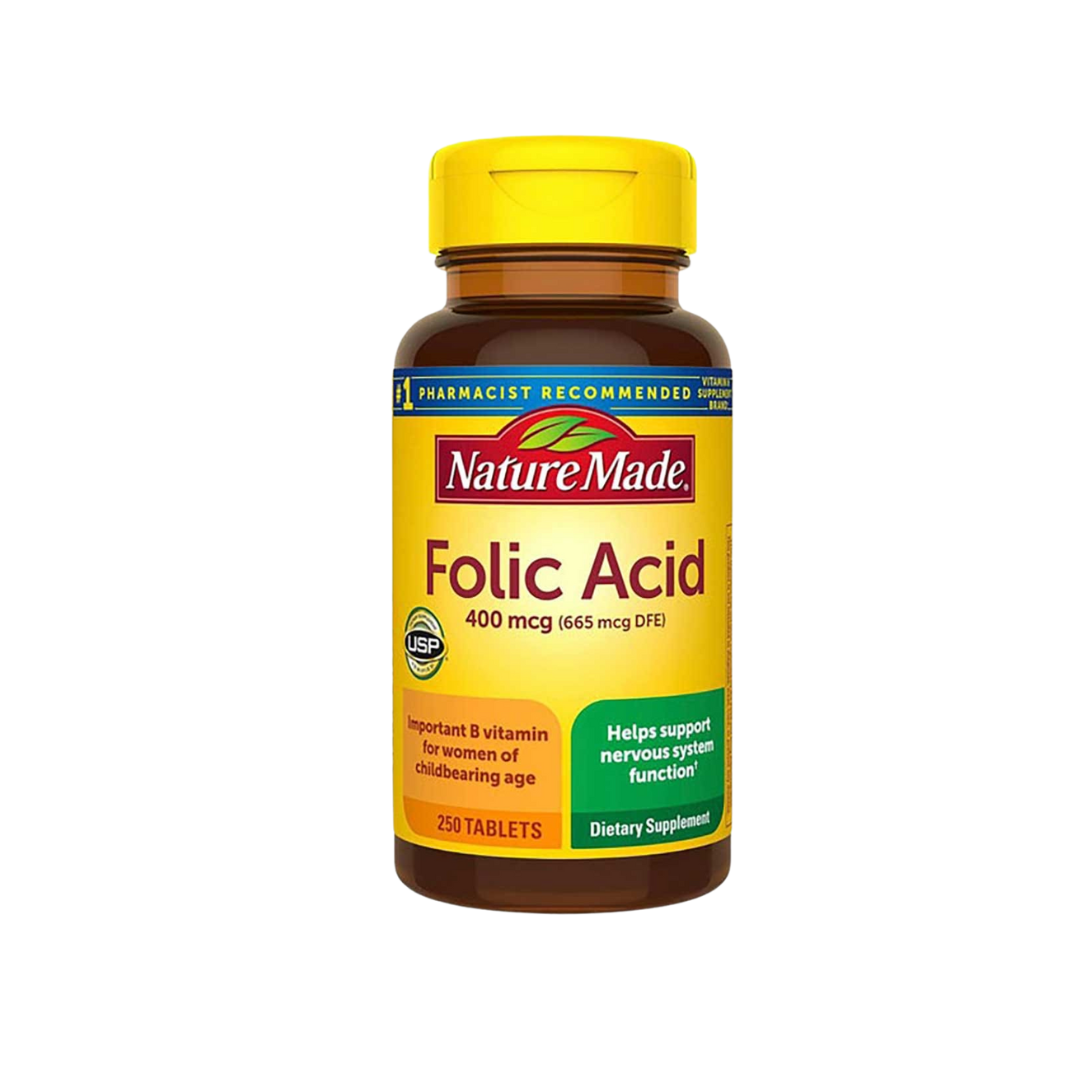
The average age of mothers giving birth in England and Wales is around 30, so if you’re planning on becoming pregnant, now might be a good time to mention supplements. “Government data shows that nine in 10 women of childbearing age in the UK have low levels of folate in their blood, putting their babies at risk of neural tube defects such as spina bifida,” explains Dr Luxton. “The NHS advises all women planning to become pregnant to take a highly absorbable synthetic folic acid supplement of 400 micrograms per day. Other nutrients to take in the pre-conception stage include vitamin D (10-25 micrograms per day) for bone health and immune function, and fish oil, which studies have shown may reduce the chances of a child developing allergies and lead to an improved IQ for your baby.”
30s to early 40s
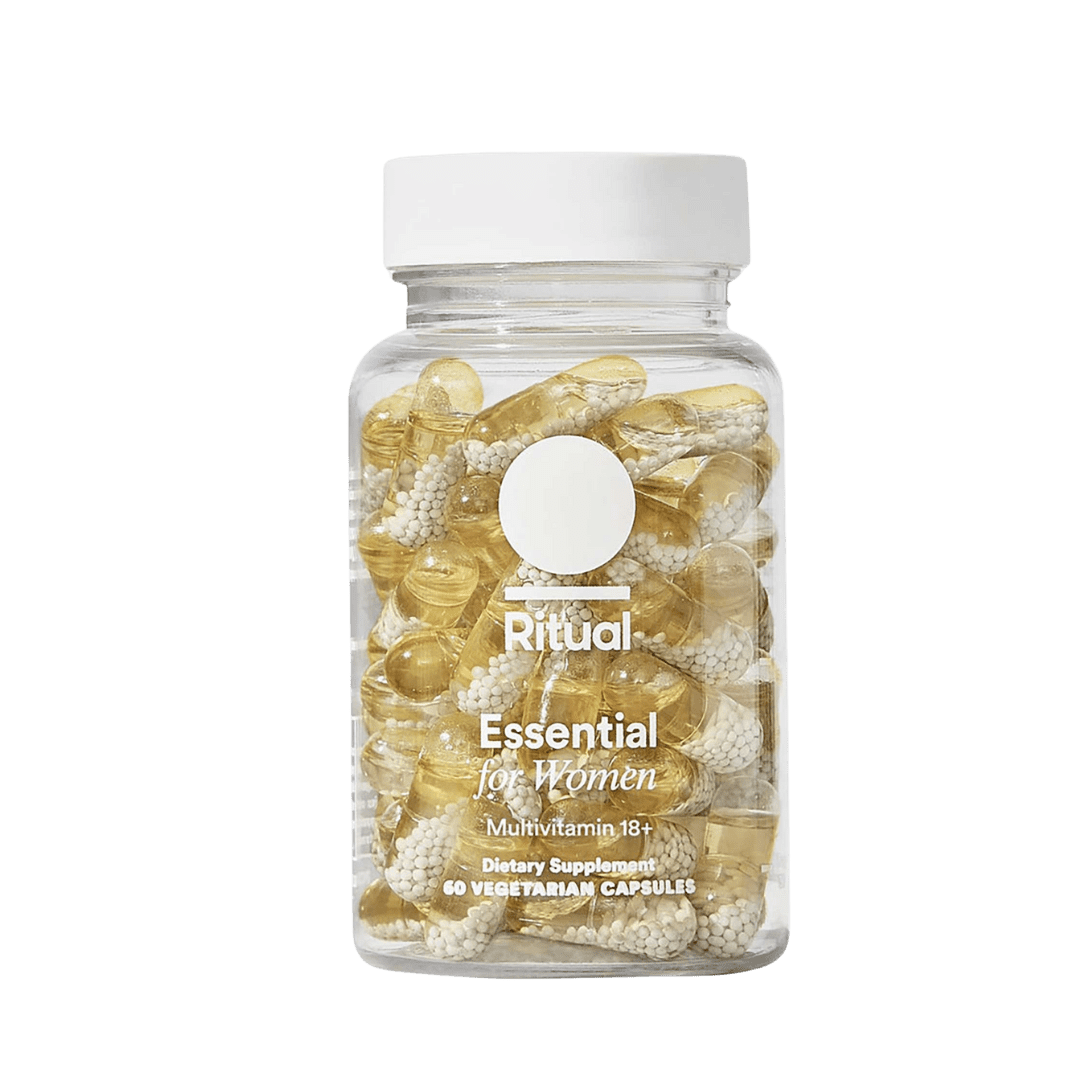
Now might be the time to start thinking about changes to your hair, nails, and skin health. “A key supplement to consider is collagen. Collagen is a protein found in connective tissue, skin, and nails. Collagen supports skin hydration and elasticity, all of which naturally decline with age,” Strauss explains. “Vitamin C, on the other hand, contributes to skin radiance.” Other micronutrients to consider for skin health are selenium, an antioxidant that fights cell damage; B vitamins for skin structure; vitamin A for lubrication; and zinc, which reduces inflammation and supports healthy hair. “B vitamins like biotin, vitamin B6, and vitamin B12 are also important for hair structure,” adds Dr. Luxton. “Eat more high-quality lean protein foods like eggs, turkey, fish, venison, and pork, or take a vitamin B complex supplement.”


At this age, too much socializing can also start to take its toll. “Alcohol, in particular, stimulates chronic inflammation and robs the body of nutrients. To offset some of the negative effects, take a daily multivitamin and multimineral supplement. Vitamins C, E and selenium act as antioxidants, protecting cells from damage,” explains Dr. Luxton. A party-loving lifestyle can also have a negative impact on gut health. “An imbalanced gut flora can affect stress levels, mood and digestive comfort. Encourage the good bacteria in your gut by making sure you eat plenty of fiber-rich foods like beans, nuts, seeds and whole grains, or consider taking a probiotic supplement.”


Another consideration for women at this stage of life is the hormonal changes that come with perimenopause and menopause. Here again, B vitamins play a role. “Vitamin B6 and folate in particular are important for women around their menstrual cycle, but also for premenopausal women,” says Dr. Luxton. “I encourage you to try different supplements, such as botanical supplements containing red clover, magnesium, and vitamin B6, to find what works for you. Studies have shown that women who supplement with B-complex vitamins report fewer mood swings and a lower risk of depression. Magnesium is another important nutrient for balancing mood.”


Stress and anxiety can generally occur at any age. Omega-3s can help, too. Or try ashwagandha, which is available in a variety of supplement forms. “It’s pretty well established that ashwagandha can help reduce stress, and studies have shown that it actually lowers levels of the stress hormone and cortisol,” says Strauss.


40s and 50s
A key factor for this age group is the natural loss of muscle mass. Increasing protein and strength training are absolutely important, but micronutrients like vitamins B12, C and D also help. “As people age, they usually say ‘your metabolism slows,’ but what they’re alluding to is a loss of muscle mass, and therefore a decline in metabolic capacity,” explains Strauss. “Research is being done on how micronutrients known as polyphenols can promote fat burning and metabolic health, aid recovery and reduce muscle soreness.”


This age group also continues to see hormonal changes. Strauss says that at this life stage, individuals’ needs tend to change more broadly due to fluctuating levels of sex hormones, including women’s more irregular menstrual cycles. “One thing that a lot of women report is the development of food intolerances and food aversions,” Dr. Strauss says. “In terms of supplements, I think maintaining gut health is really important, so eat a varied and colorful diet and incorporate probiotic foods like live yogurt, kefir, sauerkraut and kombucha. There are also a lot of probiotic and prebiotic supplements on the market.”


over 50
Areas to focus on at this life stage are bones, heart health and cognitive function. “People over 50 tend to eat healthier diets, but are absorbing less, especially vitamin B12, calcium and vitamin D, so their nutrient needs may be higher,” explains Dr. Luxton. “A good multivitamin with age-appropriate minerals is an easy way to top up on general nutrients. For specific supplements, look for supplements that target bone health, such as calcium, magnesium and high-dose vitamin D to protect bone density and prevent fractures. Look for omega-3s, B vitamins and potassium for heart health, and folate, vitamin B6, magnesium and polyphenols for cognitive function.”


As we age, our cells naturally accumulate damage from oxidative stress, which leads to inflammation. “Omega-3 fats are anti-inflammatory, which can help with joint discomfort and swelling,” says Dr. Luxton, who also recommends trying joint health supplements like glucosamine and chondroitin. Dr. Strauss adds curcumin and turmeric to the list of anti-inflammatory supplements, stressing that “the need for protein is even greater in the over-50 age group to avoid or minimize muscle mass loss and ensure you’re able to process glucose as well as you used to.”


Sleep patterns can also be disrupted at this age. “As you get older, it can become more difficult to fall asleep or stay asleep. Try a tryptophan (5-HT) supplement, which helps maintain serotonin levels,” says Dr. Luxton, and Strauss concludes that “tart cherry juice, like magnesium, can help improve and promote sleep.”
This article was originally published on Vogue.
