

Experts at Texas A&M University’s AgriLife Extension Service say that unless you’re lucky enough to have your own garden, you’ll likely have a hard time finding produce that’s fresher and lasts longer than what’s available at your local farm stand.
In addition to getting delicious food, shopping at your local farmers market is a great way to support local agriculture and contribute to the local economy.
“Farmers are more likely to harvest the best quality produce because they’re selling it right away,” says Jenna Anding, PhD, professor of nutrition at Texas A&M and nutrition specialist with AgriLife Extension, “so when you shop at a farmers’ market, you’re usually getting the best quality produce when it’s in season.”
Anding said most Texans seriously under-eat vegetables every day, but because the produce at farmers markets tastes better, they might eat more of it. Going to the market is also a great way to get kids to eat more veggies and spark their interest in trying new ones.
Not just vegetables
With a growing variety of products being sold at many farmers markets in addition to vegetables and fruits, consumers need to be more vigilant and informed, AgriLife Extension experts said.
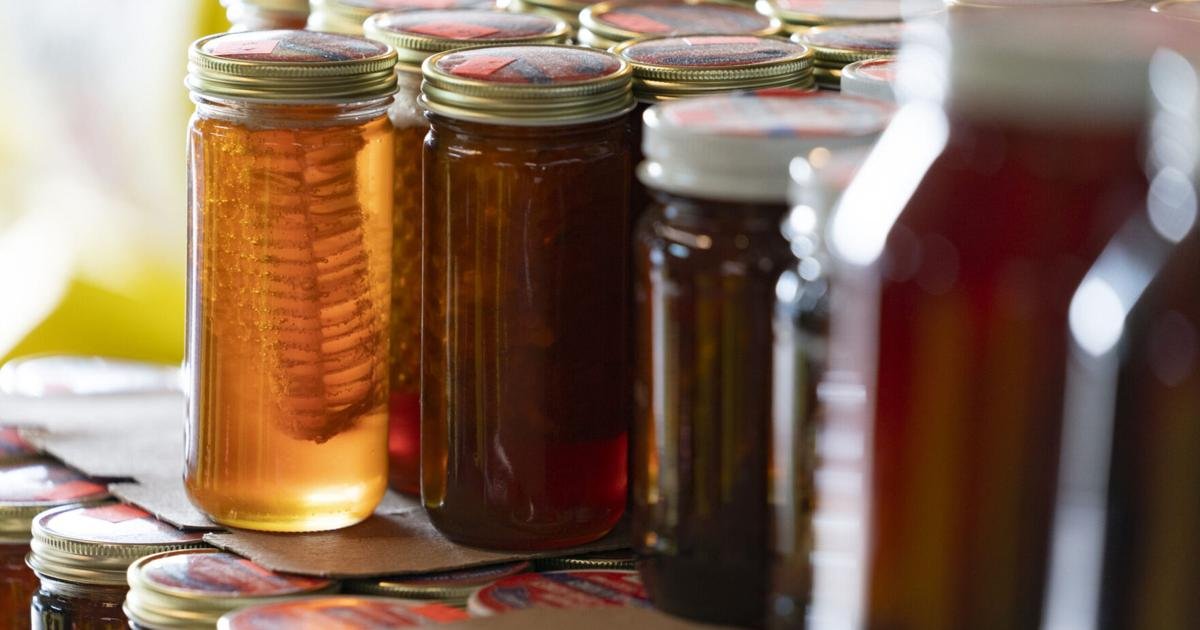
“Farmers markets are a good place to buy honey, jams, jellies, eggs and more, but consumers should keep safety and common consumer sense in mind,” said Rebecca Dittmer, AgriLife Extension program specialist for the Food Safety Education Program in Kerrville.
From what to watch out for to what to avoid, AgriLife Extension experts shared what consumers need to know before grabbing their baskets or shopping bags and heading out to the farmers market.
Consider nutrition
“Generally, fresh produce from your local farm stand is more nutritious because it’s often sold soon after it’s been picked,” Anding says. “For example, one study found that some produce lost 30% of its vitamin C within three days of being picked. This is also why you shouldn’t buy more produce than your family will eat, especially if you’re concerned about nutritional value.”
If you know you won’t be eating everything you buy right away, Anding says to eat the items that don’t freeze well first — the sooner you freeze fresh foods, the more nutrients they’ll retain.
“The longer produce sits in storage and the longer it takes to get to the grocery store and into your home, the more nutritional value it loses,” Anding says. “But at the end of the day, any vegetables are better than no vegetables. If you can’t get to a farmers market, frozen or canned vegetables from the grocery store are often cheaper and more nutritious than fresh produce from the grocery store.”
Think Locally
If you want to support local agriculture, make sure what you’re buying is actually locally grown. Don’t be afraid to ask the seller where it was grown or what farm it came from; even if they’re not the producer, they should be able to provide you with that information.
No one wants to buy produce that’s just been repackaged at a big-box store to make it look local. Produce can also be expensive at farmers’ markets, so make sure what you buy is what’s advertised.
However, keep in mind that not all areas of Texas grow the same produce, and some varieties may need to be brought in from other areas.
“For example, it costs money to truck produce grown in Poteet to San Angelo,” Anding said, “and there’s an additional cost to transport strawberries to the Concho Valley. Consumers need to take that into consideration and growers have to price accordingly.”
Some things are more expensive at farmers markets, some less. It’s a good idea to check the prices at your regular grocery store to get a price reference. Organic fruits and vegetables may be cheaper than those sold at farmers markets. So don’t be afraid to ask if something is organic. If it is, you should ask how the producer defines the word.
Think seasonally
Farmers markets usually don’t have as wide a selection of produce as your local grocery store. But they do stock seasonal produce that hasn’t been shipped in from out of state or abroad. The freshest fruits and vegetables are those that have been recently harvested. So enjoy what grows in Texas, in season.
“You might not see a lot of cut leafy greens right now because they’re winter vegetables,” Anding says, “but warm season vegetables like tomatoes, cucumbers and squash, and fruits like blackberries, should be in abundance.”
Your local farmers’ market may also be a great place to find vegetables and fruits you’ve never tried before, and vendors are almost always happy to offer advice on how to cook and prepare unfamiliar, foreign-looking squash.
Considering food safety
Produce is protected by its skin. Look for fruits and vegetables that are free of blemishes, tears, holes, and mold. Also, avoid buying products that have been cut open, such as a watermelon cut in half. Just as you clean the produce you buy at the grocery store, pay the same attention to what you buy at the farmers market.
If you buy eggs, Dittmar says they should always be stored below 45 degrees Fahrenheit. It’s okay if the seller has a box on display just for looks, but make sure the eggs you buy have been removed from a refrigeration unit. Also, make sure the eggs are clean and don’t have any cracks or cracks in the shells. If you find any cracks or cracks after purchasing them, be sure to discard them. Egg sellers must hold a temporary food establishment license and properly label the eggs as “unrated” with instructions on how to handle them safely.
To be an informed consumer, you need to know the rules set by the Texas Department of Agriculture that sellers must follow. For example, raw milk or products made from raw milk cannot be sold at farmers markets. Homemade products, such as honey and jams, are subject to home food industry rules.
“I think it’s important for consumers to educate themselves before they go shopping,” Dittmer said. “Having a basic understanding of the rules and knowing what questions to ask is important to keeping your family safe.”
She said people can also ask questions about how produce suppliers control weeds and pests, and what kind of water they use to irrigate crops.
“Farmers markets are a great way to get to know local producers,” Dittmer says. “Local producers take great pride in their products and care about their reputations, but it’s always good to use common sense and it never hurts to ask questions.”
