

Brittle nails, frayed split ends, dull skin: these beauty details might make you want to talk to your doctor about starting to take a biotin supplement. But what exactly is biotin, and beyond potentially adding shine to your hair, does science show that it offers any other health benefits?
Biotin, also known as vitamin B7, is a water-soluble vitamin, which means that it isn’t stored in large amounts in the body. So if you take more biotin supplements than your body needs, the rest will be excreted in your urine. “Our bodies don’t make biotin directly, but bacteria in our digestive system synthesize it,” says Dr. Tyler O. Vukmar, board-certified dermatologist and dermatological surgeon.
The authors of a 2023 study on biotin deficiency and gut dysbiosis explain that the microbiome (aka bacteria) in your gut “depends on biotin for growth and survival. In other words, your gut bacteria (which are found primarily in the large intestine) make their own biotin when they need it.”
However, for some people, getting biotin from foods or supplements may help enhance certain aspects of their health.
Biotin Benefits
If you’ve been wondering what biotin is good for, you might be surprised to learn that it does a lot more than just strengthen your nails (although that’s important).
Metabolic Support
While all B vitamins help your body convert carbohydrates into energy, biotin plays a special role in metabolic function. “Biotin is required for the function of a group of (biotin-dependent) enzymes called carboxylases that are active in metabolism and energy production,” explains nutritionist Vanessa King, MS, RDN.
Without biotin, your brain and body cannot properly metabolize the major macronutrients found in food (carbohydrates, proteins, and fats) that are essential for your body. (Note: You likely get enough biotin from your gut flora and the foods you eat, so you don’t need a supplement for a healthy metabolism.)
May help manage diabetes
When thinking of interventions to keep blood sugar and cholesterol in check, biotin supplements probably aren’t the first thing that comes to mind, but for people with type 2 diabetes, biotin supplements may help improve these two biomarkers.
Megan Huff, RD, a clinical dietitian at Piedmont Healthcare in Atlanta, points to a systematic review of five randomized controlled trials conducted in 2022 that found that taking biotin for 29 to 90 days reduced total cholesterol, triglycerides, and fasting blood glucose levels in people with type 2 diabetes. Of course, lifestyle changes, like watching your carbohydrate intake and exercising regularly, are the best way to manage type 2 diabetes.
Promotes a healthy pregnancy
According to the National Institutes of Health, one-third of pregnant women will develop a mild biotin deficiency, even if their intake of the vitamin is considered normal. “Some pregnant women may have increased needs for biotin, as it helps with fetal development,” says Huff.
For this reason, biotin is one of the many vitamins found in prenatal multivitamins—recent studies have shown that 72% of prenatal supplements in the U.S. contain biotin—and a small case-control study from 2020 found that biotin deficiency may contribute to preterm birth.
May Improve Hair, Skin, and Nail Health
If you already have healthy biotin levels, taking a supplement won’t make your hair shinier, your skin more moisturized, or your nails less likely to chip. But a 2017 review in the journal Neurology & Neurology found that: Skin and appendage disordersBiotin supplements can help improve skin, nails, and hair in people who are deficient in biotin. (Keep in mind that deficiency of this B vitamin is rare.)
Nevertheless, biotin support Biotin is essential for maintaining the current condition of your hair, nails, and skin. Vukmer points out that biotin is needed to make keratin, a key protein that makes up hair, nails, and skin.
Is biotin actually good for hair growth?
The answer to this is similar to the above: biotin typically only supports hair growth if you have a biotin deficiency, and the B vitamins can be extremely helpful for those who don’t have adequate stores of it. A 2016 study found that 38% of women who experienced hair loss were biotin deficient. The study authors suggested that taking 5 mg of biotin daily in a supplement could help restore lost hair.
Sources of Biotin
You can benefit from biotin from a variety of sources, from nutritious foods to expert-recommended supplements.
Food
According to the NIH, the following foods are rich in biotin:
| food | Serving Size | % Daily Intake of Biotin |
| Beef liver | 3 ounces | 103% |
| egg | 1 piece | 33% |
| Canned Salmon | 3 ounces | 17% |
| Pork chop | 3 ounces | 13% |
| Hamburger Patty | 3 ounces | 13% |
| Roasted sunflower seeds | 1/4 cup | 9% |
| sweet potato | 1/2 cup | 8% |
| Roasted Almonds | 1/4 cup | Five% |
Other plant-based foods, such as spinach, broccoli, and oatmeal, contain less than 2% of the recommended daily intake of biotin per serving.
supplement
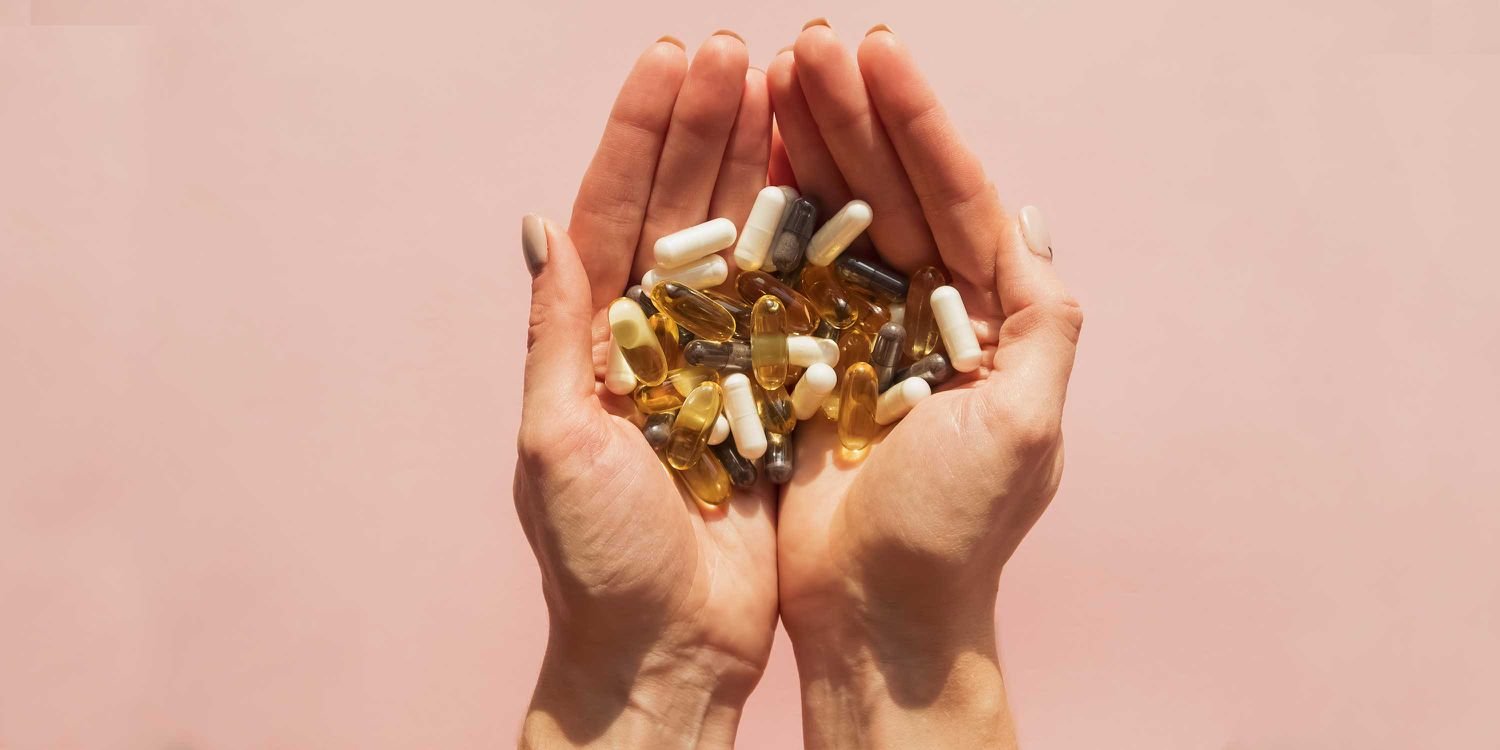
Another way to increase your biotin intake is to take a nutritional supplement such as a tablet or capsule. There are also supplements available that contain biotin alone, as well as multivitamin and mineral products.
Because the FDA doesn’t regulate supplements, Vukmar recommends looking for supplement brands that are third-party certified. “Third-party certified means that these organizations have done the testing and certified that the label accurately describes the product,” he says.
Is biotin deficiency common?
Biotin deficiency is rare, but there are some exceptions. Chronic excessive alcohol consumption can interfere with biotin absorption. Pregnant or breastfeeding women are also at higher risk for mild biotin deficiency. However, people who follow a healthy diet are unlikely to have a true biotin deficiency.
Symptoms of a deficiency usually manifest as a facial or peeling skin rash, thinning hair, hair loss, and brittle nails. Having one (or even a few) of these symptoms does not necessarily mean you have a biotin deficiency. Many of these symptoms overlap with other health conditions, so consult a healthcare professional if you’re concerned.
Thank you for your feedback!
