

Being a modern mother comes with many joys, but also many challenges, including mental health.
A 2019 meta-analysis of mental health and motherhood research found that about one in five pregnant and postpartum women met diagnostic criteria for one or more anxiety disorders. Depression, substance use disorders, and other mental health conditions may also appear.
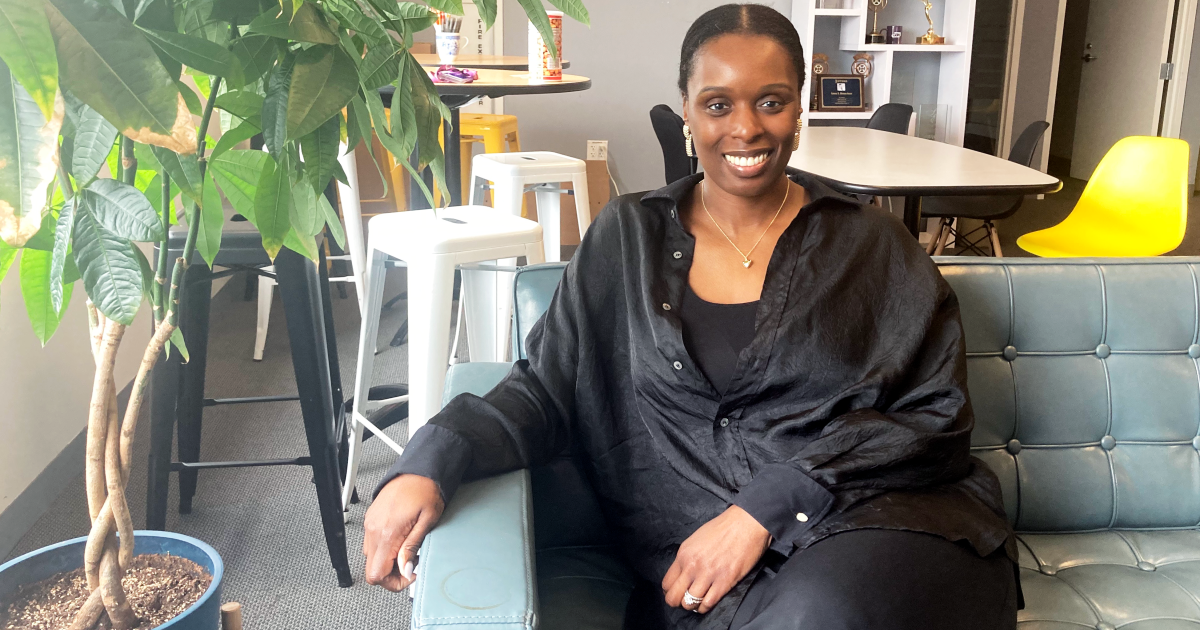
“We’ve seen an increase in these symptoms in a lot of people since the pandemic because the role of motherhood has expanded so much. A lot of depressive symptoms and anxiety,” said the Randolph-based therapy practice. said Tracy Taldon, founder and owner of Wellness for Our Future. “Obviously, there are families that have different dynamics. But the vast majority of families we see still struggle with dynamics around the gender role of motherhood.”
Not all family relationships fit the stereotypical gender role of mothers doing more work, Taldon said. But for these people, juggling household chores and caregiving on top of work and other responsibilities can lead to burnout, depression, and anxiety.
“In the home, it’s really hard for mothers to actually carve out time to be human,” Taldon says. “The term ‘mom guilt’ comes from all the things you think about outside of your children. … There’s extreme pressure.”
This is a complex problem that requires systemic solutions, Taldon said, acknowledging that help can be hard to come by in overburdened medical and mental health settings.
But it’s the community that helps, she said.
“Anywhere you can find one,” she says, suggesting finding mom groups at wellness centers, gyms, workplaces, places of worship, etc. She says, “You have to be nurtured as a person so that you can actually perform different roles in the way you want to be. The jobs and roles are very isolating.”
Partners can also be helpful, but some don’t see or appreciate all the work that goes into caregiving, she says.
“Sometimes a partner who doesn’t have a real role can see certain things and understand that things are going smoothly, but they don’t understand the details or the impact it has on their mental health, so they ‘We can’t really support you that way,”’ Taldon said.
As Mother’s Day on May 12 approaches, she said it is also important to remember mothers who have lost children to causes such as violence, illness and miscarriage.
“We often get very nervous when we support someone who we know can’t solve their problem,” she said. “Support doesn’t mean solving problems. Support just means you’ve shown that you care. If they need anything, continue to make sure they’re okay.” I want to.”
she told us: “I deserve support, assistance, and love mentally, spiritually, emotionally, and physically.”
Subscribe to The Wake Up
