

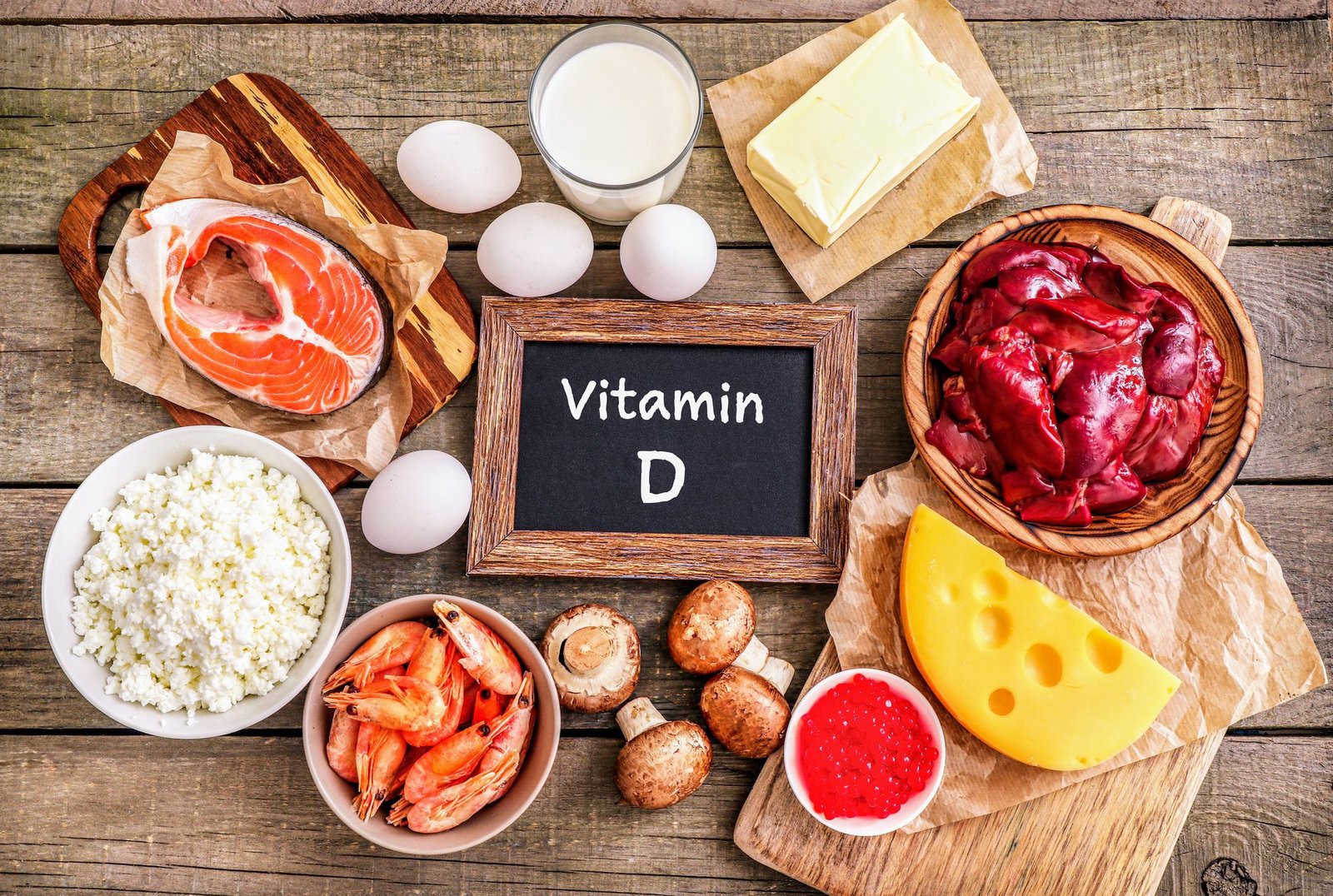
Recent research has increased interest in the potential health benefits of vitamin D, particularly its impact on cancer immunity.
A study led by the Francis Crick Institute, National Cancer Institute (NCI), and Aalborg University has provided important insights into how vitamin D can enhance the body’s ability to fight cancer.
Vitamin D: Catalyst for cancer-fighting gut bacteria
Researchers found that a diet rich in vitamin D promoted the growth of Bacteroides fragilis, a particular gut bacterium known to increase immune resistance to cancer in mice.
Experts report that when mice received high doses of vitamin D, they not only became more resistant to experimentally transplanted cancers, but also had a stronger response to immunotherapy.
Remarkably, this protective effect continued even when the researchers actively interfered with gene expression to block proteins that normally help transport vitamin D through the bloodstream.
Experts concluded that vitamin D works by acting on epithelial cells in the intestines, resulting in increased numbers of Bacteroides fragilis. This bacterium has been shown to enhance immunity against cancer, as evidenced by reduced growth of tumors implanted in mice.
Interaction between vitamin D and gut microbiota
Lead researcher Caetano Reis e Sousa expressed surprise at the findings, highlighting the unexpected way in which vitamin D modulates the gut microbiome in favor of bacteria that boost cancer immunity. .
“While this may one day be important for human cancer treatment, further research is needed before we can conclusively say that correcting vitamin D deficiency is effective in preventing or treating cancer. ”
Additionally, the findings have important implications and support previous research linking low vitamin D levels to increased cancer risk. This association was confirmed by analysis of a large Danish population dataset.
Clinical potential of vitamin D research
Evangelos Giampazorias, who contributed significantly to the study, pointed to the challenge of distinguishing between beneficial and harmful gut microbiota. “We found that vitamin D helps gut bacteria induce cancer immunity and improves the response to immunotherapy in mice.”
This opens new avenues for understanding how dietary factors influence the microbiome and thus the immune system.
NCI’s Romina Goldszmid highlighted the potential of dietary interventions to optimize the relationship between the microbiome and cancer immunity. However, she cautioned that further research is needed to fully understand the underlying mechanisms and their application to personalized treatment strategies.
Dietary interventions in cancer research
The study, which was funded by prestigious organizations including Cancer Research UK, the UK Medical Research Council and the Wellcome Trust, highlights the importance of understanding the complex interactions between diet, microbiome and disease resistance. I am.
Nishanti Duggan from Cancer Research UK says that to minimize the risk of skin cancer, it’s important to balance your vitamin D intake through sun exposure, diet and supplements, and practice safe sunbathing habits. emphasized its importance.
This study represents an important step forward in how dietary changes can boost immunity and help prevent cancer. However, translating these laboratory discoveries into clinical applications is complex, and further research is needed to bridge the gap between experimental results and real-world benefits.
Vitamin D health benefits
Vitamin D, also known as the “sunshine vitamin,” is essential for maintaining many aspects of health. It primarily helps absorb calcium, promotes strong bones, and prevents conditions such as osteoporosis. Additionally, vitamin D plays an important role in muscle function and the immune system, reducing inflammation and the risk of infection.
A growing body of research suggests that vitamin D can help prevent colon, prostate, and breast cancer. It can also help improve your heart health, as it may lower your blood pressure and lower your risk of heart disease.
Additionally, vitamin D may influence mood regulation and has been associated with lower rates of depression. Ensuring adequate levels of vitamin D is essential for mental and physical health, especially in areas where sunlight is limited.
This study is published in the journal Sscience.
—–
Like what you read? Subscribe to our newsletter for fascinating articles, exclusive content and the latest updates.
Check us out on EarthSnap, the free app from Eric Ralls and Earth.com.
—–
