


Vitamin B3 supplements may help people with peripheral artery disease walk farther, according to a clinical trial led by Northwestern Medicine. Nature Communications.
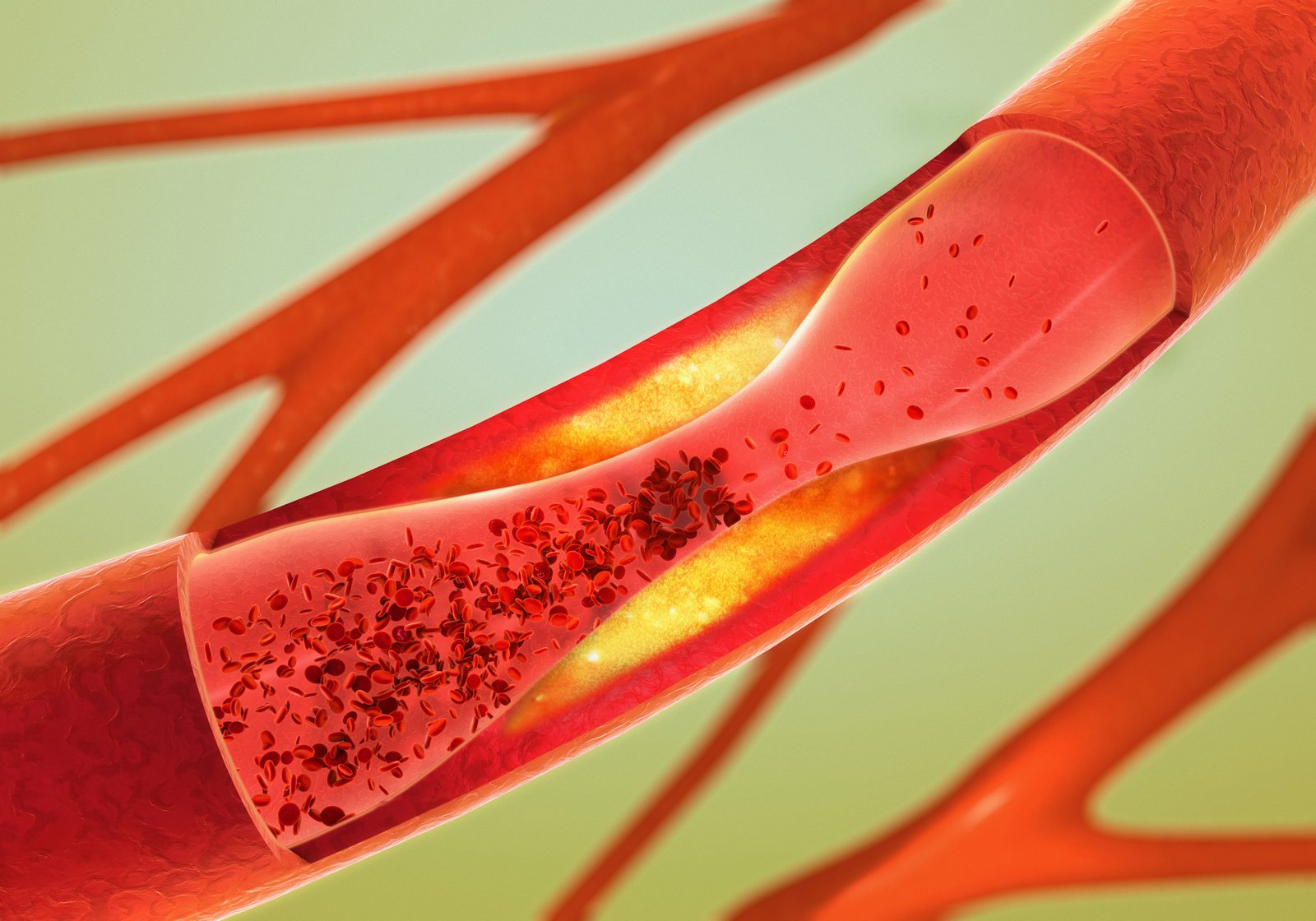
Peripheral artery disease (PAD) occurs when blood vessels narrow and reduce blood flow to the legs, impairing muscle function and the ability to walk, according to the American Heart Association, which estimates the disease affects more than 12 million Americans.
People with PAD often have difficulty walking long distances and have few options for treating the disease, said Mary McDermott, MD (1992 GME), the Jeremiah Stamler Professor of Medicine in the Department of General Internal Medicine, and the study’s first and corresponding author.
In the study, McDermott and his colleagues sought to test the effectiveness of a form of vitamin B3 called nicotinamide riboside in people with PAD. Nicotinamide riboside is a precursor to NAD+, a coenzyme essential for energy production and normal cellular metabolism, McDermott said.
“Patients with lower extremity peripheral arterial disease have impaired mitochondrial activity and other metabolic disorders that are likely to be improved by increasing NAD+,” said McDermott, who is also a professor of preventive medicine in the Department of Epidemiology. “Nicotinamide riboside is available as an over-the-counter medication, but to our knowledge, nicotinamide riboside has not previously been shown to improve walking ability in humans, despite animal data showing that vitamin B3 has a positive effect on mitochondrial activity and skeletal muscle health and function.”
The clinical trial involved 90 people with PAD who were asked to walk as far as they could in six minutes during a baseline test. After taking nicotinamide riboside alone or in combination with resveratrol or a placebo for six months, participants again completed the walk in the prescribed time.
The study found that people who took only nicotinamide riboside increased their six-minute walk distance by 17 meters compared to a placebo.
“When we focused on people who received 75% or more nicotinamide riboside, we saw larger benefits, including an improvement of about 100 feet (30 meters) in walking distance compared to placebo,” McDermott said. “These results are important because few treatments have been identified to improve walking impairment in patients with peripheral artery disease.”
The results are comparable to other interventions McDermott has studied, such as supervised exercise training, she said.
“The fact that we got similar benefits to supervised exercise in patients who were compliant suggests that there are significant benefits,” McDermott said.
McDermott said he and his colleagues next plan to conduct a larger, multi-center clinical trial to validate their results.
“We are encouraged by the positive results,” McDermott said, “In a healthier population, NR did not show a beneficial effect on the 6-minute walk. Because PAD patients have severe pathological changes in skeletal muscle, resulting in damaged mitochondria, increased oxidative stress and damaged skeletal muscle, they may be more likely to benefit from nicotinamide riboside.”
Co-authors on the Feinberg study include Clara Peake, PhD, assistant professor of biochemistry and molecular genetics and medicine in the Department of Endocrinology; Pei Zhu, PhD, research assistant professor of biochemistry and molecular genetics; Philip Greenland, MD, PhD, the Harry W. Dingman Professor of Cardiology; Karen Ho, MD, PhD, John Marquardt Clinical Research Professor of Vascular Surgery; Robert Saffitt, MD, the Ken and Ruth Davey Professor of Neuromuscular Diseases in the Department of Neurology and professor of Surgery in the Division of Organ Transplantation; Lihui Chao, PhD, associate professor of preventive medicine in the Department of Biostatistics; and Katherine Domanchuk, clinical research associate in the McDermott Laboratory.
This research was supported by the American Heart Association.
