

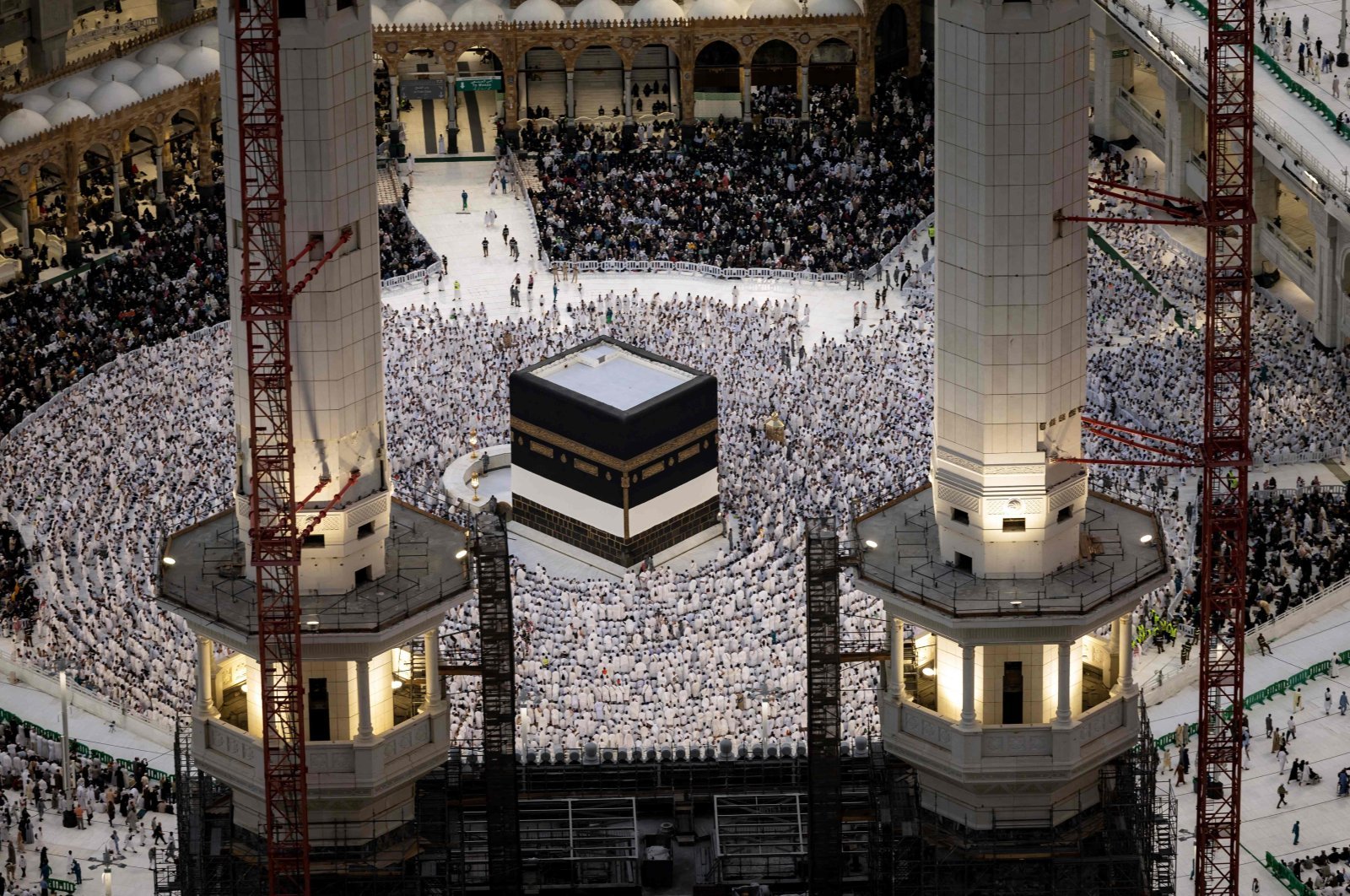
The month of Dhul Al-Hijjah is one of the auspicious months in the Islamic calendar and a special time for worship. The first ten days of this month are the most virtuous days of the year, during which Muslims make sincere efforts to maximize the performance of various acts of worship, such as fasting, Dhul (prayer), Du’a (intense remembrance and supplication), Quranic recitation, Nafl (transcendental prayer), Sadaqah (voluntary charity), Tawba (repentance), Eid Salah (breaking of the fast), and Qurban (ritual animal sacrifice). Not only is Dhul Al-Hijjah the last month of the year, but it also marks the fulfillment of Hajj, the fifth and final pillar of Islam, and is therefore also known as the “Month of Pilgrimage”.
Literally, Hajj means “preparation for or towards a person, or towards an object of respect, veneration, reverence, or honor, or for planning a journey.” Technically, it means performing certain recognized practices and rituals at designated locations in Mecca, Mount Arafat, and Mina during the second week of “Du al-Hijjah.” Millions of Muslims from around the world will again gather in the holy city of Mecca in Saudi Arabia this year to perform Hajj. The Quran and the traditions of Prophet Muhammad outline the sanctity and importance of Hajj. For example, God has declared Hajj as a religious obligation in the Quran: “And proclaim Hajj (pilgrimage) to the people, and they will come to you on foot and on lean camels; they will come (to perform Hajj) from all the mountain passes far and wide” (Surah al-Hajj: 27).
According to the traditions of the Prophet Muhammad, performing the Hajj is also obligatory for Muslims.
“Abu Hurairah reported that the Messenger of Allah (Prophet Muhammad) said to us: ‘O people, Allah has made the Hajj obligatory on you, so perform the Hajj.'”
Hajj is an obligatory act for all Muslims once in their lifetime, but only for those who are mentally, physically and financially sound. During the performance of this obligation, pilgrims must leave behind relationships, status, country, home, job and even their everyday clothes. Hajj marks the pinnacle of an individual’s spiritual life, but it also reinforces the idea of the “Ummah” as a cohesive community that prioritizes faith and fraternity over limiting ideas of race, nation, skin color and language. In this regard, Muslims don a special garment called “ihram”, which signifies the transition from the earthly to the spiritual life. This garment also represents the rejection of material and social distinctions, and the equality and humility of all Muslims before God.
Main Ceremonies
Important practices in Hajj include Tawaf, Sa’i’, Uqf-i-Arafat, Uqf-i-Muzdalifah, Rami al-Jimar and Qurban. Tawaf, the first and most important ritual of Hajj, is circumambulating the Kaaba seven times counterclockwise, the first three at a brisk pace and the last four at a normal pace. In Sahih Muslim, the second collection of hadith in the six books of Sunni Islam, Nafi al-Madani reports on the authority of Ibn Umar that the Prophet Muhammad walked at a brisk pace for the first three pilgrimages and at a normal pace for the remaining four when performing Tawaf.
‘Sai’ takes place immediately after ‘Tawaf’, when pilgrims make seven round trips between the two hills of Safa and Marwa. The ritual recalls the desperate search for water by the wife of Prophet Abraham after he abandoned her and their son Ishmael in the desert at God’s command.
A very important ritual following “Sa’i” and symbolizing the climax of the Hajj is “Uqf-i-Arafat”. An essential ritual of the Hajj, this practice sees all pilgrims “marching” and “standing” on Mount Arafat together on the ninth day of “Dhul-Hijjah”. Failure to perform this ritual renders the entire pilgrimage invalid. It is the perfect time for pilgrims to pray, meditate and experience intimate communion with God.
After the “Uqf” on Mount Arafat, the pilgrims proceed to Muzdalifah, a plain near Mecca, at sunset to combine Maghrib and Isha prayers (in the form of Qasr at the time of Isha) and spend the night outdoors. The pilgrims then leave Muzdalifah at sunrise on the tenth day of “Dhul-Hijjah” and proceed to Mina, a valley located 8 kilometers (5 miles) southeast of the city of Mecca. This is a particularly busy day for the pilgrims, as they must complete four very important acts of faith: “Rami al-Jimar” (throwing a pebble at “Jamra” (“Devil’s Stoning”)), “Qurban” (slaughtering an animal), “shaving their heads”, and performing “Tawaf al-Ifadah”. In Mina, the pilgrims recite the story of the Prophet Abraham, who was tempted by Satan to disobey God’s command to sacrifice his son Ishmael. Despite Satan’s temptations, Prophet Abraham and his son were fully determined to carry out God’s instructions. “Rami al-Jimar” symbolizes their rejection of Satan’s temptations.
Once these obligatory acts of faith are completed, pilgrims can relax into a flexible schedule and perform additional rituals such as six “Ramis” in Mina, “Tawaf” and “Sai”. Once the Hajj is completed, pilgrims begin to dress in normal attire, which signifies a gradual return to the secular world, accompanied by a profound spiritual and moral change. During the Hajj, pilgrims step out of their everyday concerns and think beyond what people generally hold dear. Experiencing spiritual life on a deeper level, the Hajj embodies equality, brotherhood and oneness among believers and prioritizes obedience to the call of God above all other calls.
