
Close Menu
  • Home
  • Wellness
    • Women’s Health
    • Anti-Aging
    • Mental Health
  • Alternate Healing
    • Energy Healing
    • Aromatherapy
    • Acupuncture
    • Hypnotherapy
    • Ayurveda
    • Herbal Remedies
    • Flower Essences
    • Naturopathy
  • Spirituality
    • Meditation
    • Pilates & Yoga
  • Nutrition
    • Vitamins & Supplements
    • Recipes
  • Shop

Subscribe to Updates

Subscribe to our newsletter and never miss our latest news

Subscribe my Newsletter for New Posts & tips Let's stay updated!

What's Hot

4 supplements you should absolutely avoid, found at HomeGoods

July 30, 2024

This anti-aging snail slime serum is just $14 (over 40% off), so grab it!

July 30, 2024

Book Review: The subtle power of emotional abuse

July 30, 2024
Facebook X (Twitter) Instagram
  • Home
  • About us
  • Advertise with Us
  • Contact us
  • DMCA Policy
  • Privacy Policy
  • Terms and Conditions
Login
0 Shopping Cart
The Holistic Healing
  • Home
  • Wellness
    • Women’s Health
    • Anti-Aging
    • Mental Health
  • Alternate Healing
    • Energy Healing
    • Aromatherapy
    • Acupuncture
    • Hypnotherapy
    • Ayurveda
    • Herbal Remedies
    • Flower Essences
    • Naturopathy
  • Spirituality
    • Meditation
    • Pilates & Yoga
  • Nutrition
    • Vitamins & Supplements
    • Recipes
  • Shop
The Holistic Healing
Home » Ultra-processed plant-based foods increase risk of heart disease
Nutrition

Ultra-processed plant-based foods increase risk of heart disease

theholisticadminBy theholisticadminJune 14, 2024No Comments5 Mins Read
Facebook Twitter Pinterest Telegram LinkedIn Tumblr Email Reddit
Share
Facebook Twitter LinkedIn Pinterest Email Copy Link


A nutritious plant-based diet that emphasizes foods like vegetables, fruits, legumes and whole grains has been shown to lower the risk of heart attack, stroke and other cardiovascular diseases.

But if those plant-based foods are highly processed, they could be doing more harm than good when it comes to your heart health.

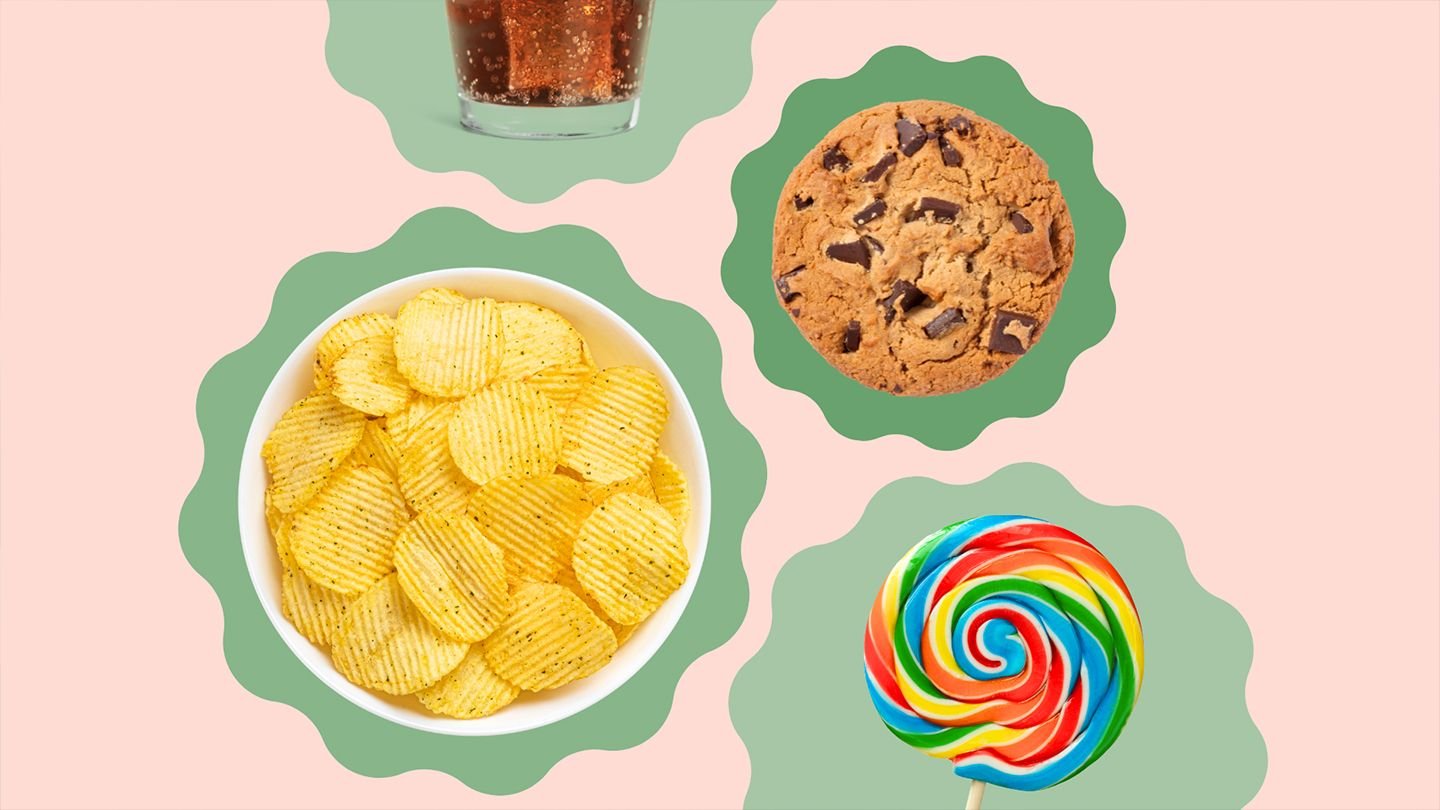
A new study finds that eating too much ultra-processed plant-based foods — including certain frozen pizzas, breakfast cereals, savory snacks, packaged breads, pastries and cookies — could increase your risk of heart disease by up to 5 percent and your risk of death from heart disease by as much as 12 percent.

Conversely, the researchers found that participants who increased their intake of non-highly processed, plant-based foods by 10 percent had a 7 percent lower risk of cardiovascular disease and a 13 percent lower risk of death from cardiovascular disease.

“Our main finding is that a plant-based diet can improve cardiovascular health, as long as it does not rely on ultra-processed foods,” says lead study author Fernanda Lauber, PhD, a researcher at the Center for Epidemiological Studies on Nutrition and Health, School of Public Health, University of São Paulo, Brazil. “As more people adopt plant-based diets, it will be important to examine the role of food processing in these dietary patterns, especially with regard to cardiovascular disease.”

Published in The Lancet Europe, The analysis included data from nearly 118,000 adults aged 40 to 69 who provided details of their dietary habits from 2009 to 2021. That information was then linked to hospital and death records related to cardiovascular events.

“This study calls into question the common perception that plant-based foods are inherently healthier,” said Janna Assar, M.D., a family medicine physician at Banner Health in Phoenix. “This study highlights how extensive processing can negate the potential benefits of plant-based foods and highlights the need for dietary guidelines to take into account food processing, not just where the food comes from.”

Ultra-processed foods threaten heart health

According to Dr Lauber, ultra-processed foods are often industrial concoctions made by breaking down whole foods into their chemical components, modifying them and combining them with additives.

She and her colleagues emphasize that processed plant-based foods, which are high in unhealthy fats, sodium and added sugars, can contribute to metabolic disorders such as dyslipidemia (abnormal levels of fats in the bloodstream), atherosclerosis, high blood pressure, insulin resistance, obesity and diabetes.

Some of these plant-based foods contain preservatives, artificial sweeteners, food dyes, and even contaminants from industrial processing that may increase your risk of heart disease.

Just because a food is packaged doesn’t necessarily make it unhealthy, says Dr. Christopher Gardner, chair of the nutrition committee for the American Heart Association’s Council on Lifestyle and Cardio-Metabolic Health.

He suggests that consumers check the nutrition facts labels on most packaged goods and look for products that are high in fiber and other nutrients (such as vitamins, minerals, unsaturated fats and protein) and low in saturated fat, added sugars and sodium.

“It’s always best to choose fresh, whole foods that don’t come in packaging that requires a nutritional label, but we know that’s not always possible for everyone,” says Dr. Gardner, who is also a professor of medicine at Stanford University in California.

What about fake meat?

Many people trying to limit their meat intake turn to plant-based alternatives, as some studies have shown that replacing red meat with plant-based alternatives may lower risk factors for cardiovascular disease.

The study was unable to draw any specific conclusions about these types of products because they accounted for just 0.2% of total calories, and many meat alternatives, such as the popular Impossible Burger and Beyond Meat, were not yet on the market when the data was collected.

Gardner, who was not involved in the study, conducted a study in 36 healthy adults in 2020 to directly compare the effects of Beyond Meat with animal meat. Gardner and his fellow scientists observed that all participants who ate Beyond Meat during the trial period had lower LDL cholesterol (the “bad” cholesterol), body weight, and trimethylamine oxide (a risk factor for heart disease).

However, Dr Assar warns that some fake meats may also contain sodium, unhealthy fats and a variety of additives in an effort to mimic the taste and texture of meat. “The way they are processed and the ingredients used may pose adverse health effects,” said Dr Assar, who was not involved in the study.

Growing opposition to ultra-processed foods

Because this was an observational analysis, it could not establish causation — Lauber and her team stress that the study only established an association between heart disease and the consumption of ultra-processed, plant-based foods.

Additionally, participants may have inaccurately reported the types and amounts of foods they consumed, or lifestyle factors may have influenced these findings.

Still, Lauber points out that this latest study adds to a growing body of evidence showing that ultra-processed foods can have negative health effects: A review of 45 previous scientific analyses on the topic concluded that increased exposure to ultra-processed foods increases the chance of death from preventable diseases.

“I recommend a diet mainly of whole and minimally processed foods,” she says. When buying pre-made or prepared foods, her best tip is to read the ingredients list. If it only contains ingredients you know and have in your kitchen, it’s most likely made from real food and not ultra-processed.”


Source link

Share. Facebook Twitter Pinterest LinkedIn Tumblr Email
theholisticadmin
  • Website

Related Posts

Physicians need better nutrition training

July 7, 2024

Senior Meals: Menus posted on Pine River Nutrition site, July 8-12, 2024 – Pine and Lakes Echo Journal

July 7, 2024

Bigger, bolder nutrition labelling: COS may put it back on FSSAI agenda | Economic & Policy News

July 7, 2024
Leave A Reply Cancel Reply

Products
  • Handcraft Blends Organic Castor Oil - 16 Fl Oz - 100% Pure and Natural
  • Bee's Wrap Reusable Beeswax Food Wraps
  • WeeSprout Double Zipper Reusable Food Pouch - 6 Pack - 5 fl oz
Don't Miss

8 Ayurvedic drinks and tonics to boost your immunity this monsoon season

By theholisticadminJuly 30, 2024

Cinnamon Tea Cinnamon has anti-inflammatory and antibacterial properties, making it perfect for maintaining overall health…

An Ayurvedic Roadmap for Seasonal Self-Care

July 30, 2024

Can Zydus Wellness overcome skepticism about health drinks as it enters the Ayurvedic beverage space with Complan Immuno-Gro? – Brand Wagon News

July 30, 2024

Zydus Wellness launches Ayurvedic beverage Complan Immuno-Gro with campaign featuring actress Sneha

July 30, 2024

Subscribe to Updates

Subscribe to our newsletter and never miss our latest news

Subscribe my Newsletter for New Posts & tips Let's stay updated!

About Us

Welcome to TheHolisticHealing.com!

At The Holistic Healing, we are passionate about providing comprehensive information and resources to support your journey towards holistic well-being. Our platform is dedicated to empowering individuals to take charge of their health and wellness through a holistic approach that integrates physical, mental, and spiritual aspects.

Facebook X (Twitter) Pinterest YouTube WhatsApp
Our Picks

4 supplements you should absolutely avoid, found at HomeGoods

July 30, 2024

This anti-aging snail slime serum is just $14 (over 40% off), so grab it!

July 30, 2024

Book Review: The subtle power of emotional abuse

July 30, 2024
Most Popular

Energy healed me — over the phone! Scientist explains how

October 19, 2011

Spirituality and Healing | Harvard Medical School

January 14, 2015

Healing through music – Harvard Health

November 5, 2015
  • Home
  • About us
  • Advertise with Us
  • Contact us
  • DMCA Policy
  • Privacy Policy
  • Terms and Conditions
© 2026 theholistichealing. Designed by theholistichealing.

Type above and press Enter to search. Press Esc to cancel.

Sign In or Register

Welcome Back!

Login to your account below.

Prove your humanity


Lost password?