

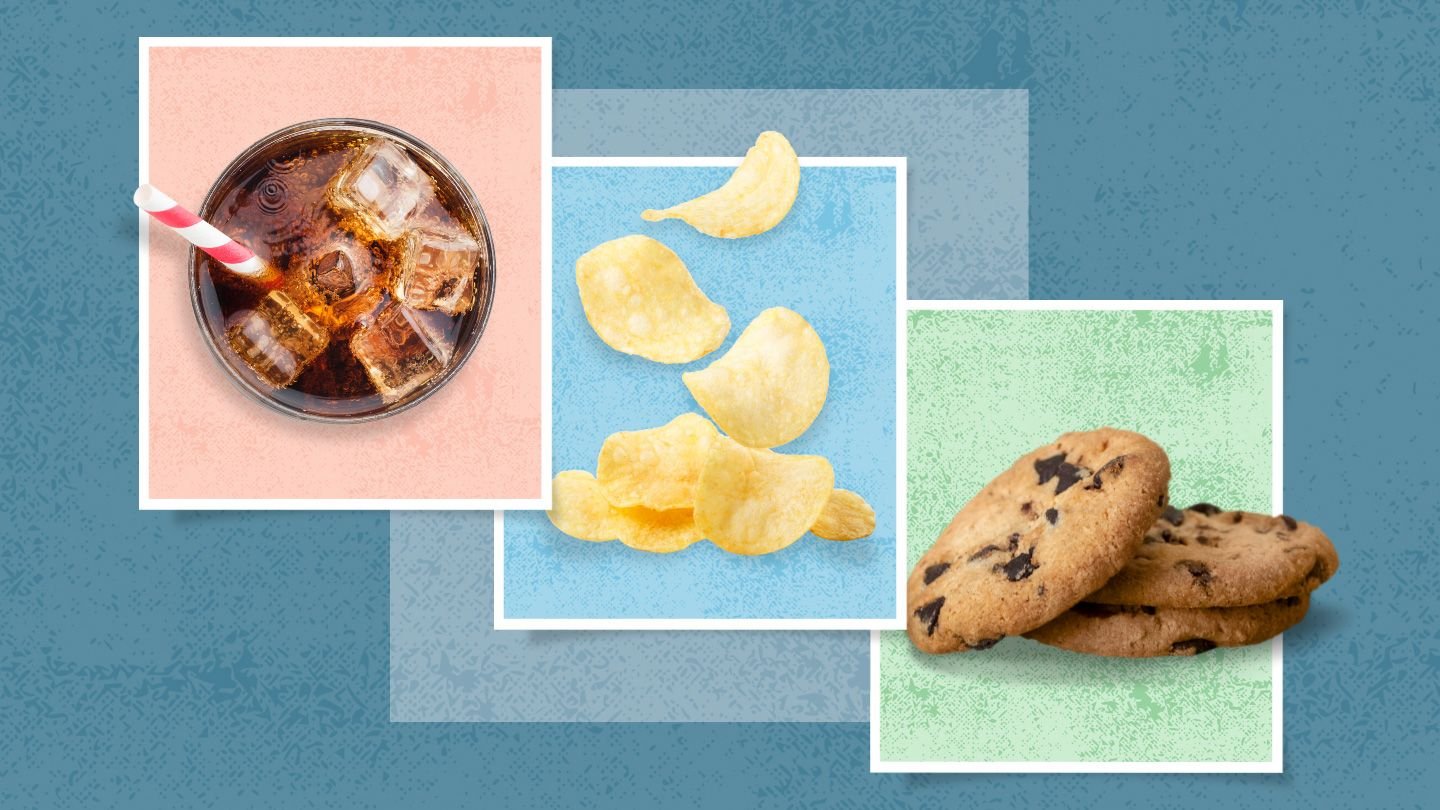
A diet high in ultra-processed foods, including prepackaged meals, deli meats, potato chips, soda and sugary breakfast cereals, is associated with declining cognitive function and an increased risk of stroke, a new study finds.
In the study, scientists looked at data on the diet, cognitive function, and strokes of nearly 30,000 adults over a period of about 10 years, beginning in their mid-60s. At the start of the study, the participants had no history of cognitive impairment. By the end of follow-up, 1,108 people had suffered a stroke and 768 had developed cognitive impairment.
At the same time, people who ate the most unprocessed or minimally processed foods had a 9 percent lower risk of stroke.
“Our study shows why we should be mindful of the food we eat,” said lead study author W. Taylor Kimberly, MD, associate professor at Harvard Medical School and director of neurocritical care at Massachusetts General Hospital in Boston. “In addition to increasing healthy foods like leafy greens, nuts, and fish protein, we should also aim to reduce prepackaged foods and sweet and salty snacks.”
Small changes in ultra-processed food consumption matter
The study also found that small changes to diet can make a big difference to brain health.
For every 10 percent increase in the amount of unprocessed and minimally processed foods participants ate, their risk of accelerated cognitive decline decreased by 12 percent, and for every 10 percent increase in their intake of ultra-processed foods, their risk of accelerated cognitive decline increased by 16 percent.
The study found that the negative effects of ultra-processed foods and the benefits of unprocessed or minimally processed foods persisted even when participants followed diets known to promote brain health, such as the Mediterranean diet, the DASH diet, and the MIND diet. All of these diets encourage a plant-based diet, fruits, vegetables, whole grains, beans, and nuts, and limit the intake of ultra-processed foods, red meat, and sugary foods and drinks.
In general, ultra-processed foods tend to be the most highly processed packaged products available in grocery stores. These are usually industrial foods made almost entirely of substances derived from oils, fats, sugars, starches, proteins, etc., or foods synthesized in a laboratory or factory with little or no ingredients that come directly from natural plant or animal sources.
Take potatoes, for example: the whole potatoes you buy in the produce section are completely unprocessed, and canned potatoes are minimally processed, but potato chips and frozen hash browns are ultra-processed.
Why ultra-processed foods are bad for your brain health
The study was not designed to prove whether and how ultra-processed foods directly cause cognitive decline or stroke, but simply to explore an association.
But researchers have theorized about why ultra-processed foods pose a risk to cognitive function: The substances used to process and preserve food for long periods of time could be bad for the brain, says Glenn Finney, MD, professor and director of the Memory and Cognition Program at Geisinger Health in Wilkes-Barre, Pennsylvania.
“Ultra-processed foods often have different added chemicals and other substances than we’re used to eating in traditionally prepared foods, some of which may pose risks to brain health,” said Dr. Finney, who was not involved in the new study. “This is something we still need to know more about.”
Plus, ultra-processed foods tend to contain a lot of calories from unhealthy ingredients, says Dr. Yu Chen, a professor of epidemiology at NYU Grossman School of Medicine in Manhattan, who was not involved in the study.
“These foods contain additives like sugar, salt, fat, artificial colors, and preservatives, as well as substances derived from foods like fats and starches,” says Dr. Chen. “Ingredients like fat can cause inflammation, lead to vascular dysfunction, and impact cognitive function.”
What’s the best diet for a healthy brain?
To promote long-term brain health, people should limit their intake of highly processed foods and focus on eating as many whole foods as possible, says Dr. 7 steps to managing your aging memory.
“Avoid processed foods. Processed foods include chips, industrially produced breads and pastries, packaged sweets and candy, sugary or diet soda, instant noodles and soups, pre-cooked or frozen meals, and processed meats like hot dogs and bologna sodas,” says Budson, who was not involved in the new study.
“Simply combine unprocessed or minimally processed foods with a healthy Mediterranean menu, which includes fish, olive oil, avocado, whole fruits and vegetables, nuts and beans, and whole grains,” he adds.
