

Prebiotics, probiotics, kefir, kimchi, acidophilus: Until a few years ago, few people gave the gut microbiome much thought. But now it’s hot news, and every food shopper who cares even a little about health and nutrition has some sort of probiotic food on their shopping list.
University College Cork is a world leader in gut microbiome research and to mark World Microbiome Week last week, the university asked experts what their favourite foods are for nourishing the gut microbiome.
How many of these are common in your diet?
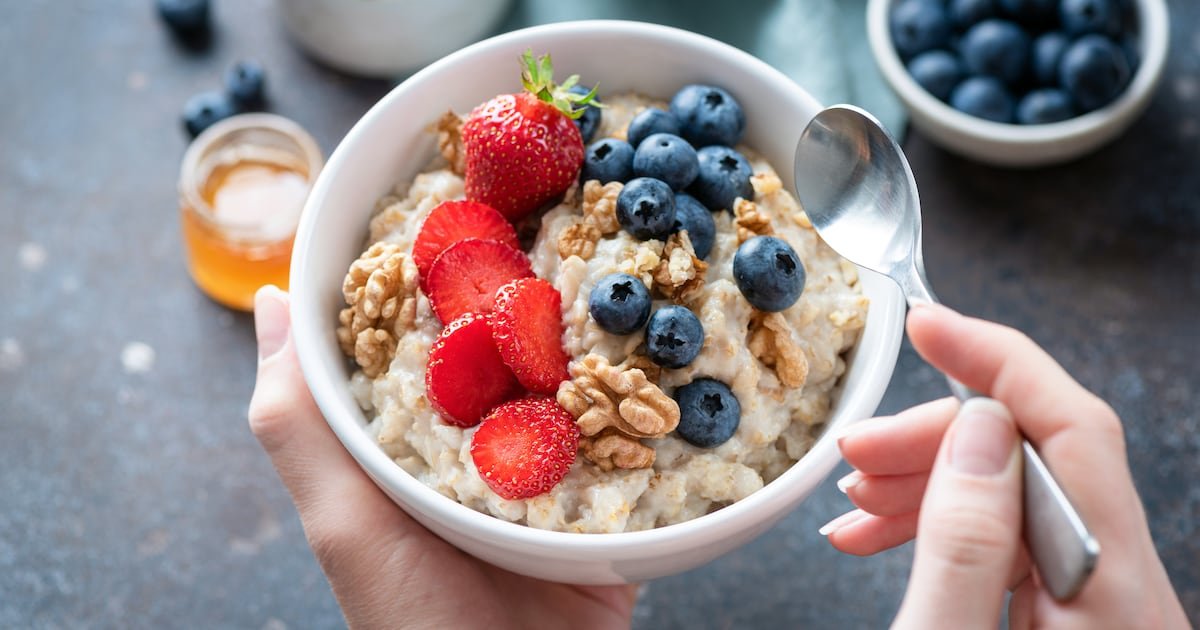
1. Porridge
One of the nutrients found in oatmeal is beta-glucan. When fermented by healthy bacteria in the gut, this polysaccharide acts as a prebiotic, providing food for good bacteria such as bifidobacteria. Beta-glucan is also found in the cell walls of barley, seaweed and mushrooms.

2. Blueberries
Blueberries are a rich source of polyphenol antioxidants. Our gut flora thrives on a diet rich in polyphenols, so including berries in your daily diet is a good idea, both fresh and frozen.

3. Cheese
Cheeses such as Gouda, Swiss, Parmesan, Gruyere, Edam, aged cheddar, and blue cheeses such as Stilton are a delicious way to get more probiotic bacteria into your diet.

4. Kefir
Kefir is a great source of gut bacteria, but it also has the added benefit of being rich in other nutrients that support bacterial activity and help bacteria thrive in the gut.

5. Asparagus
It is rich in prebiotics such as xylose, inulin and flavonoids, which help health-promoting bacteria such as Lactobacillus and Bifidobacteria thrive in the intestinal flora.

6. Cereal
Whole-grain cereals are good for your gut: They’re rich in fiber and a good source of a prebiotic called arabinoxylan, which appears to help maintain healthy populations of bifidobacteria.

7. Onion
Onions are a great food for gut health. Your gut flora loves a diet with onions, leeks, garlic and scallions. They’re full of prebiotics and make the base of a delicious dinner. What’s not to love?

8. Beans
Beans, peas and lentils – The fibre in legumes can change the metabolic profile of your gut microbiome in healthy ways. Try different varieties: chickpeas, kidney beans, puy lentils and peas can all benefit. It’s a great excuse to eat more hummus!

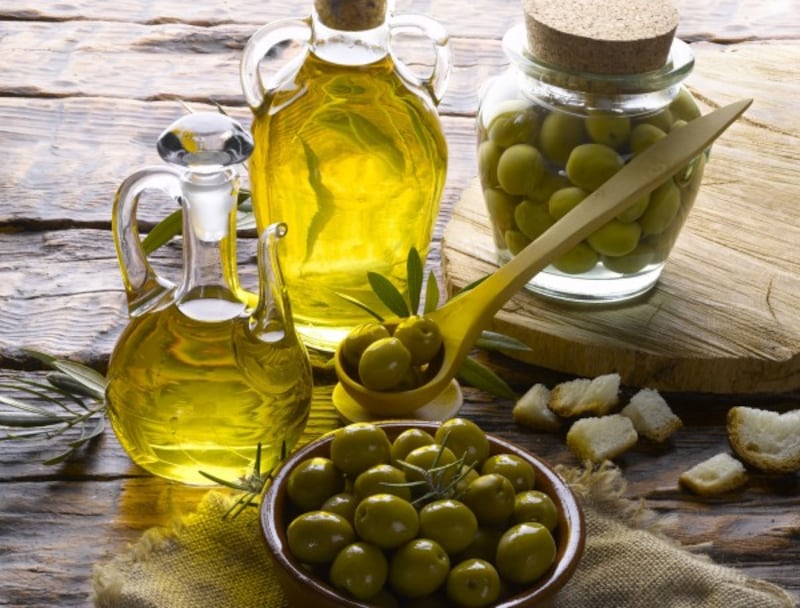
9. Olive oil
Extra virgin olive oil – Research shows that including olive oil in your daily diet can help maintain a healthy diversity of bacteria in your gut microbiome, thanks to its polyphenols. Choose a good quality extra virgin olive oil and drizzle generously on it.
10. Yogurt
Live Yogurt – People who are lactose intolerant often find live, natural yogurt much easier to tolerate because the probiotic bacteria break down some of the lactose. For the most health benefits, choose live or probiotic yogurt and avoid low-fat yogurts with artificial sweeteners, flavors, and other nonsense.

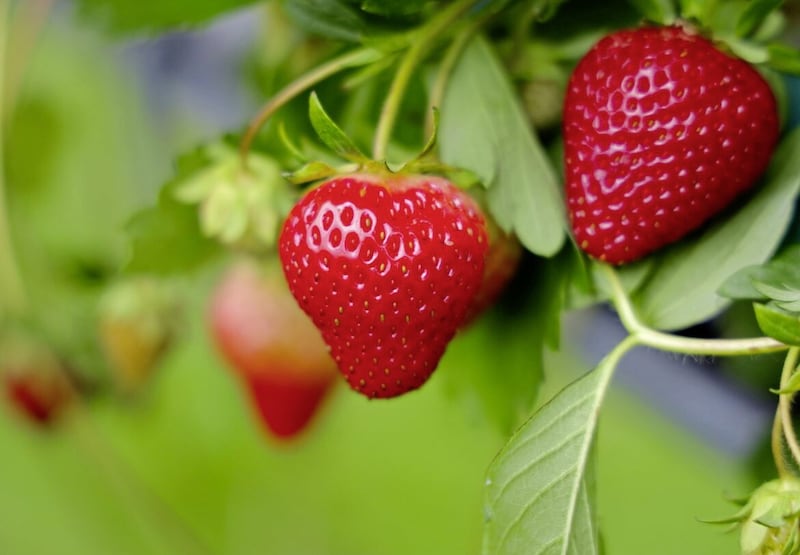
11. Strawberries
Strawberries are in season now and are great for your gut flora. They are rich in dietary fiber, vitamins, minerals, flavonoids and polyphenols, which help maintain a healthy gut flora.
12. Kombucha
Kombucha is a fermented beverage made from green or black tea using a SCOBY (Symbiotic Culture of Bacteria and Yeast). Kombucha contains flavonoids and other bioactive compounds that have antioxidant, antibacterial and other beneficial effects on the gut.

13. Green Olives
Green olives are fermented in saltwater and are rich in lactic acid bacteria, making them a great way to add more probiotics to your diet.

14. Broccoli
Broccoli is rich in dietary fiber, polyphenols, and sulfolophane, which support a healthy gut environment, encouraging the growth of beneficial bacteria and reducing inflammation.

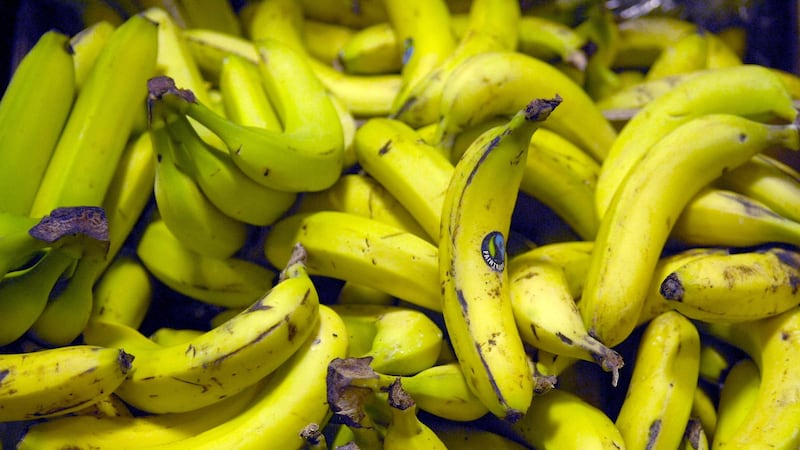
15. Banana
Bananas contain fiber and phytochemicals that help balance gut bacteria. When eaten green, they contain resistant starch, an important source of prebiotic fiber, which helps support and nourish the most important bacteria in your gut.

16. Fish
Oily fish – There is research suggesting that a diet high in omega-3 fats has a prebiotic effect, so summer is the perfect time to add sardines, salmon, mackerel and trout to your menu.

17. Flaxseed
Flaxseeds are a great source of dietary fiber, which gut bacteria love. Get into the habit of eating a tablespoon of ground flaxseeds a day to help maintain your intake of soluble fiber, omega-3 and minerals.

