

Highlights:
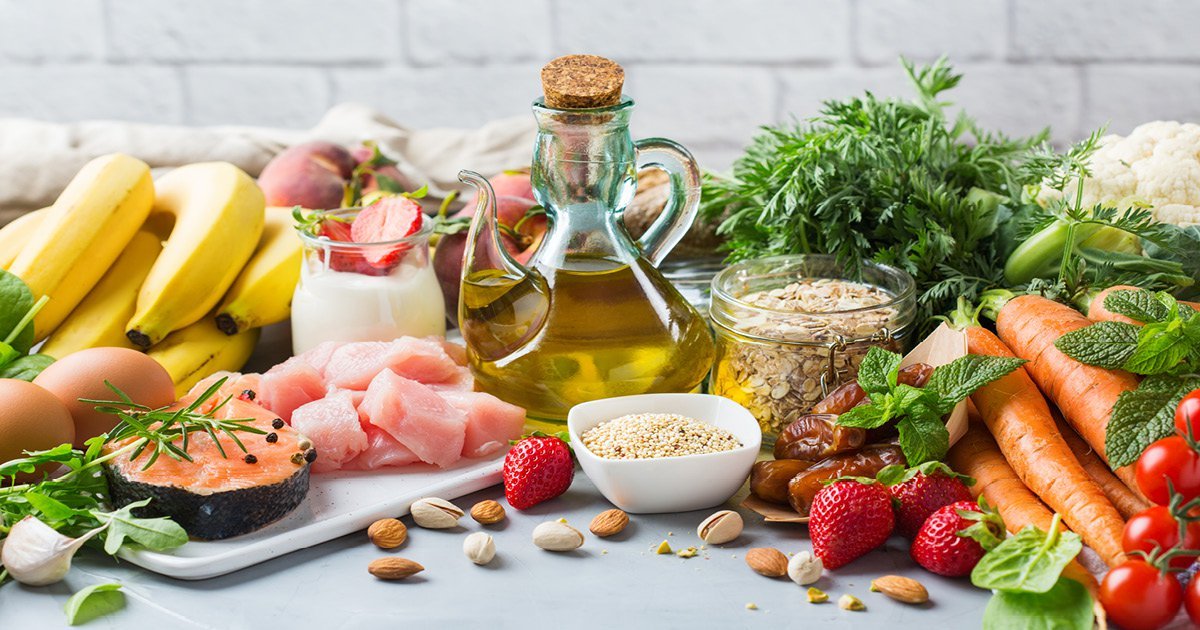
- The Mediterranean and DASH diets emphasize eating plant-based foods, lean proteins, and healthy fats.
- Diet was associated with changes in blood markers of CVD.
CHICAGO — For adults with type 1 diabetes, the Mediterranean and DASH diets may help reduce CVD risk, according to a study published in NUTRITION.
Both diets emphasize plant-based foods, lean protein, healthy fats and reduced intake of sugar and processed foods. Arpita Basu, PhD, RD; The study was reported by an associate professor in the Department of Exercise Physiology and Nutritional Sciences at the University of Nevada, Las Vegas, and his colleagues.

“Type 1 diabetes increases the risk of developing CVD, increasing the likelihood of heart attack, stroke, and other serious health complications,” Bass said in a press release. “We wanted to know how people’s usual dietary habits affect inflammatory markers in the blood that predict CVD risk in adults with type 1 diabetes.”
The researchers conducted a six-year study of 1,255 adults (692 without diabetes and 563 with type 1 diabetes). They used food frequency questionnaires to calculate nutrient intakes during the study and assessed participants’ adherence to the Mediterranean diet, the DASH diet, and the Alternative Healthy Eating Index (AHEI), which are commonly used in CVD management.
The researchers also analyzed blood markers that clinicians commonly use to assess inflammation and CVD risk: C-reactive protein, fibrinogen, homocysteine (Hcy), and plasminogen activator inhibitor 1 (PAI-1).
“Both the DASH diet and the Mediterranean diet have been found to have protective associations, meaning that consuming these eating patterns regularly may be beneficial,” Bass said. “Our findings are more practical than those of clinical studies, because clinical studies of these diets typically manipulate eating behavior in ways that cannot be sustained in everyday life.”
The researchers found that adults with type 1 diabetes typically consume a high-fat diet, which they say is primarily a result of reducing carbohydrate intake and increasing animal protein foods that are high in cholesterol and saturated fat.
After adjusting for age, BMI, sex, physical activity, and blood pressure, people who most closely followed the Mediterranean and DASH diets had lower levels of PAI-1 and Hcy, but no association was seen with the AHEI diet.
“There is an urgent need to address the quality of diet in adults with type 1 diabetes,” Bass said. “In clinical practice, assessing dietary intake using the DASH and Mediterranean diet checklists can be an effective way to identify missing nutrients and improve intake. Even if you cannot change your entire diet, you can add specific foods that are part of these dietary patterns, such as olives and nuts in the Mediterranean diet.”
References:
- Basu A. Longitudinal associations of healthy dietary patterns with biomarkers of inflammation and atherosclerosis in adults with and without type 1 diabetes. Published in: NUTRITION, June 29-July 2, 2024.
- Study identifies heart-protective dietary patterns for people with type 1 diabetes. https://www.eurekalert.org/news-releases/1048928. Published 30 June 2024. Accessed 30 June 2024.
