

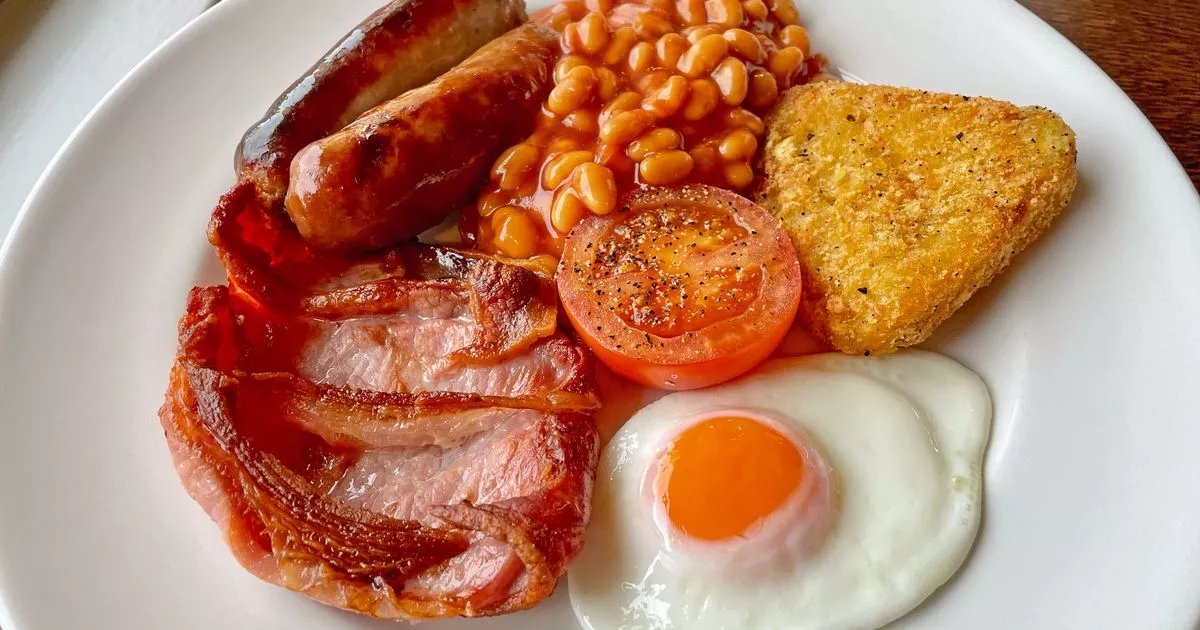
Experts reveal the vitamin- and protein-rich everyday foods we should all be eating more of.
Everyday foods that have been shunned due to past health scares and diet fads may actually have significant health benefits, including preventing dementia, promoting weight loss and providing essential vitamin B12. Eggs, which fell out of favor during the Salmonella scares of 2015 and 2019 and as people swapped their morning soft-boiled eggs for fruit and veggie smoothies, are actually a great source of important vitamins and protein.
Protein is considered an important factor in weight loss because it keeps you feeling fuller for longer. In 2023, we consumed an average of 175 eggs per person, six more than in 2004.
About 20 years ago, health officials found that although egg yolks contain cholesterol, they do not raise blood cholesterol levels, and abandoned advice to limit egg consumption to three eggs per week.
Nutritional therapist Ian Marber told The Times: “Eggs are a good source of protein that helps you feel full, and they also contain amino acids, omega-3 fatty acids, vitamin D and vitamin B12,” Marber said. “They’re also a good natural source of choline, which is needed to transmit nerve signals, and lutein and zeaxanthin, which protect the eyes as we age.”
A groundbreaking study of almost half a million people in China has found that eating one egg a day could significantly reduce the risk of heart disease and stroke. Professor Nita Forouhi of the University of Cambridge said: “The key message from this large-scale Chinese study is that at least one egg a day is not associated with an increased risk of cardiovascular disease and, in the best case scenario, up to one egg a day may have health benefits,” reports Gloucestershire Live.
Not only are eggs low in saturated fat, which has been linked to an increased risk of heart disease, but they’re also packed with nutrients: They’re packed with protein and vitamins A, D, B and B12, as well as lutein and zeaxanthin, which are essential for preventing age-related eye damage.
Dr Frankie Phillips, from the British Dietetic Association, reassures us that “one or even two eggs a day is absolutely fine”, adding that there’s no need to worry about eating too many eggs.
As we get older, our protein needs increase, and according to Dr Federica Amati, speaking on the Zoe podcast, changing your diet at 40 can have a huge impact on your health.
She explained that as we age, our bodies become less able to absorb and use nutrients, noting: “Usually we become insulin resistant, which is a very important hormone to get all the nutrients into the cells. That’s why older people are encouraged to eat more protein. What I want to say here is that this increase is minimal – we’re talking from 0.83 grams per kilogram of body weight to 1 gram for older adults.”
She also touched on the risk of malnutrition and dehydration in older adults, emphasizing the importance of a nutritious diet: “When older people become malnourished or dehydrated, the impacts are much more severe. So make sure to include nutritious foods in your elderly loved one’s diet, such as foods rich in plant protein, and occasionally eggs and oily fish. Make delicious soups and stews using beans, lentils and whole grains, and make the most of these foods that are known to be nutritious and naturally hydrating, and you can really improve the quality of life for older adults.”
