

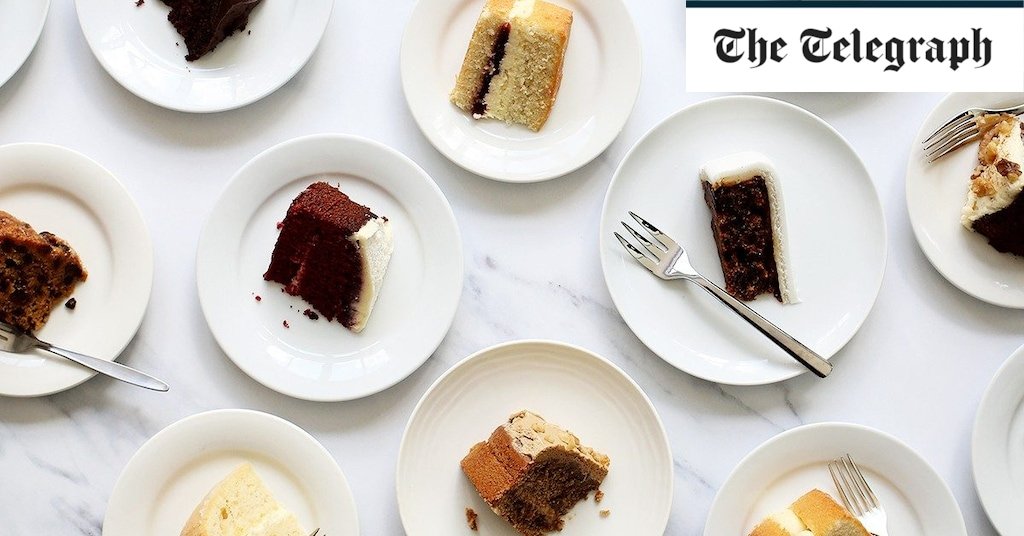
Most cakes contain a fair amount of sugar, but be careful with the high sugar content as eating too much over a long period of time can lead to tooth decay and weight gain.
The way to avoid these ingredients is to bake the cake at home. “You’re not going to make ultra-processed foods (UPF) at home, so it’s always best to make your own cake,” says Ludlum Laing.
“You can also make your cake healthier by changing the ingredients, such as whole wheat flour, freshly grated carrots (for carrot cake), nuts and less sugar,” she adds.
How much cake should you eat and when should you eat it?
“There’s absolutely nothing wrong with enjoying a piece of cake every now and then, but moderation is important to maintain a balanced diet,” says Ludlam Laing.
The NHS recommends that adults consume no more than 30g of free sugars per day – sugars that are added to foods rather than those found naturally in milk, fruit and vegetables.
“A typical slice of supermarket cake can contain 20-40g of sugar so we recommend limiting cake consumption to special occasions or once a week,” she says.
An appropriate portion size for cake is the recommended serving size on the packaging – around 70-100g. “But the reality is that eating a larger slice of cake, or even just two small slices every now and then, won’t have any impact on your overall health,” Ludlam-Laing adds.
“Eating too much cake can cause a spike in blood sugar followed by a ‘glycemic crash,'” she explains. “Some people may feel more lethargic after eating high-fat, high-carbohydrate foods like cake as their body works harder to digest them.”
As for timing, Ludlam-Laing explains that it’s best to have it as a dessert shortly after a meal, as the protein and fibre from your lunch or dinner will slow down the cake’s digestion and reduce the resulting blood sugar spike. Alternatively, you could go for a walk after eating the cake to reduce the impact on your blood sugar, she adds.
Ultimately, she says, “if you really want to have your cake and eat it, then have it too. But put it on a plate, sit down, turn off the TV, and enjoy it.”
“All foods belong in our diet and all foods have a purpose, but it’s the amount of any given food we eat and how often we eat it that determines our health.”
Nicola Ludlum Laing (nicsnutrition.com, Nick Nutrition) is a registered dietitian by profession and author of “How Not to Eat Ultra-Processed,” due for publication on July 18th.
