

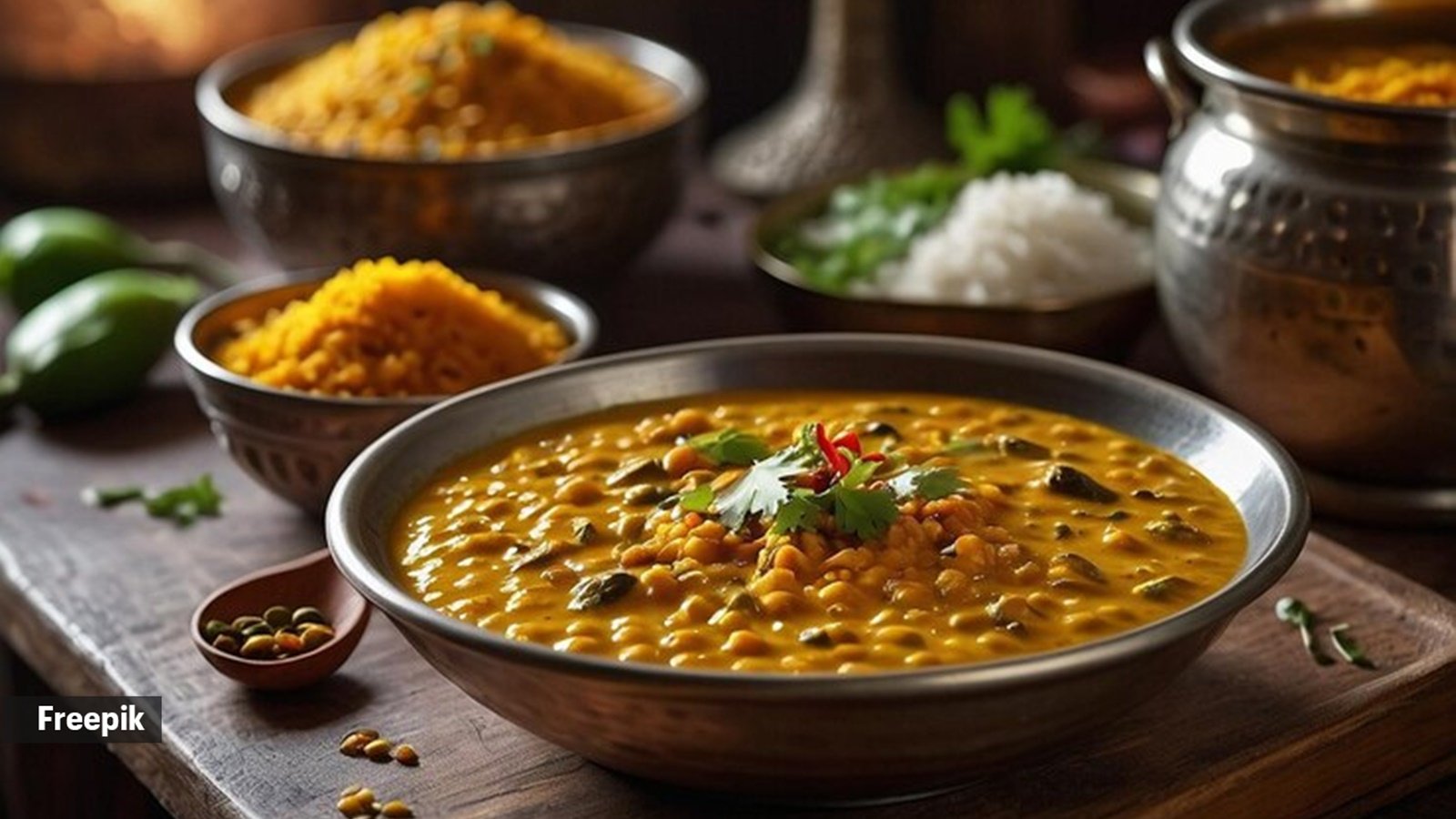
Pulses, an essential part of the diet of many Indians, are known for their excellent nutritional value, especially their high protein content. However, improper handling and cooking methods can significantly reduce the bioavailability of these essential proteins.
To enable individuals to enjoy the benefits The complete benefits of consuming legumesThe Indian Council of Medical Research (ICMR) has provided comprehensive guidelines for maintaining the protein profile of pulses.
According to the guidelines, “Boiling or pressure cooking is the best method to enhance the nutritional value of pulses because during boiling and pressure cooking antinutritional factors (enzyme inhibitors that hinder the digestion of nutrients) are destroyed. Thus, these methods increase digestibility and enhance protein availability.”
Boiling beans in a moderate amount of water without draining them is said to be the best way to preserve the folic acid in beans. This cooking method also improves the taste of the beans.
Furthermore, the ICMR emphasizes:The longer it is cooked the less nutritious it becomes. Beans lose lysine, so when boiling, add only the amount of water needed.”


Boiling or pressure cooking beans causes biochemical changes
Kanikka Malhotra, consultant dietitian and certified diabetes educator, says, “Both boiling and pressure cooking use heat to denature (break down structure) proteins. But pulses have a distinct advantage. They contain heat-stable proteins called globulins, which are less susceptible to denaturation than animal proteins and so a significant proportion remains intact after cooking.”
Boiling also includes simmering in water, she said. Soluble proteins can be extractedPressure cooking, on the other hand, involves cooking in a closed atmosphere with less water, minimizing protein loss through leaching.

Pressure cooking may have a slight advantage over boiling in terms of preserving protein content, but both methods preserve most of the important legume proteins. Both boiling and pressure cooking can effectively destroy lectins. “These proteins can irritate the digestive tract, but cooking renders them harmless,” Malhotra says.

Phytic acid is a molecule that binds to minerals like iron and zinc, reducing their bioavailability. Boiling has little effect on phytic acid, but pressure cooking may be more effective due to the higher temperature and shorter cooking time.
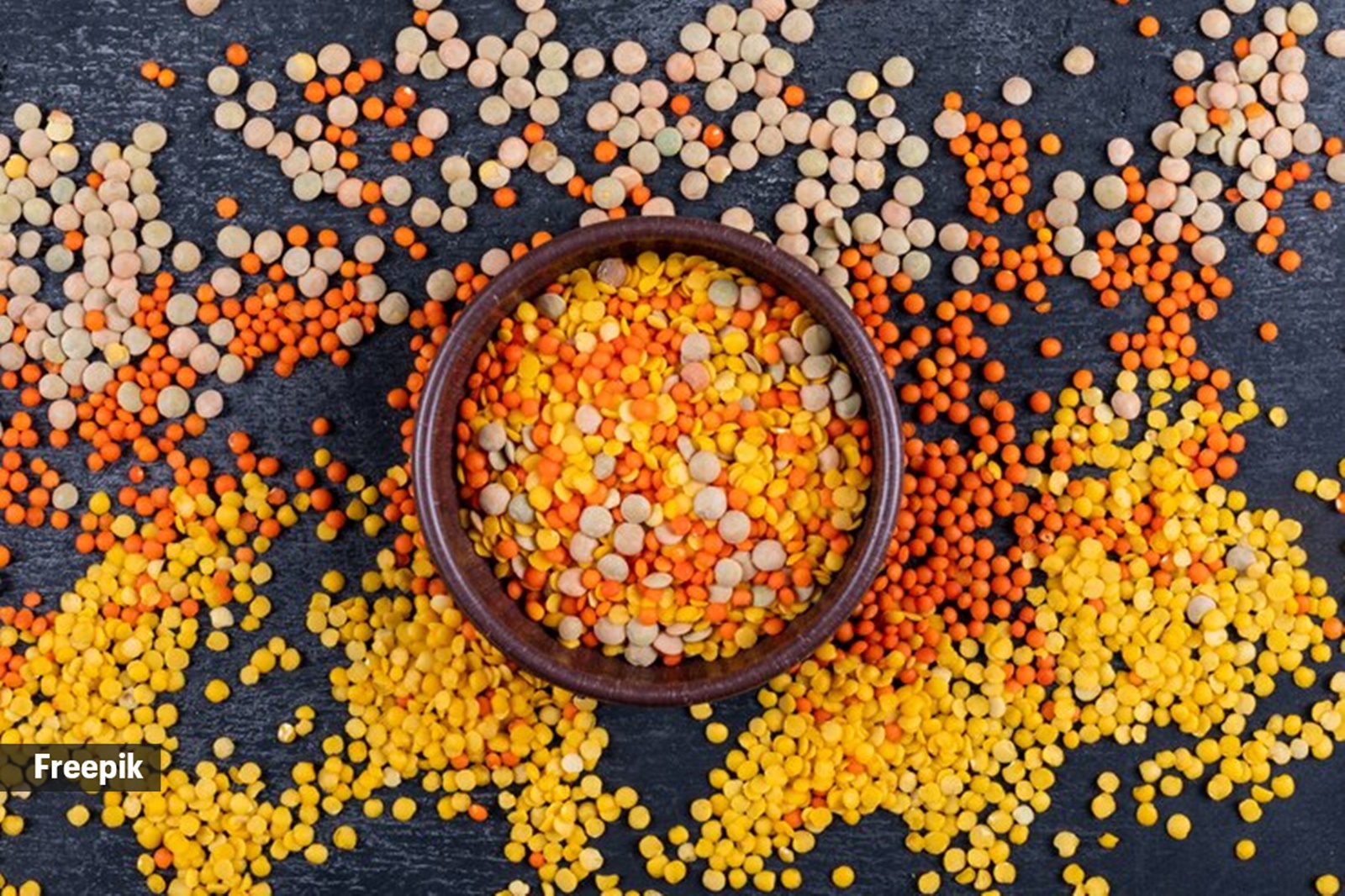

How can you be sure that your beans are cooked just enough to preserve their protein quality?
Following these tips recommended by Malhotra will help you cook your pulses to perfection and preserve their protein quality and delicious texture.
Get your pulse: Cooking times vary depending on the legume: lentils cook faster than chickpeas and black beans.
“Soft but chewy test”: your Dal Taste to gauge doneness – take samples regularly during cooking. It should be delicate when bitten.However, there is some stiffness in the core.
Start by using less water: Beans absorb water while cooking. Using too much water will increase cooking time and increase the risk of overcooking. Add enough water to cover the beans by about an inch or two.
Simmer without boiling: A low simmer is sufficient; boiling can cause the beans to burst and turn into a mushy mess.
Turn off the heat early: When the beans are almost done, remove them from the heat and let them soak in the hot water for 10 to 15 minutes, allowing them to finish cooking slowly without being exposed to further heat.
Practical tips for home cooks to boil beans properly
Beans contain B vitamins and vitamin C, which are water soluble, says Malhotra. Using too much water can leach these vitamins during cooking. Minerals like potassium and magnesium are also water soluble and can be lost in the cooking water.
She recommends, “Make sure there’s enough water to cover the beans by an inch or two. This will allow the beans to cook evenly without over-leaching.” Do not discard the cooking water! It’s packed with nutrients extracted from legumes. Use it in soups, stews, sauces and more to get the most nutritional benefits.”
She adds that soaking beans overnight reduces cooking time and may also reduce loss of vitamin C. However, research is still ongoing to determine how soaking affects nutrient retention.
You can also opt for a combined approach: soak your legumes overnight and pressure cook them in minimal water. This strategy reduces cooking time (minimizing vitamin loss) and ensures optimal retention of nutrients.
