

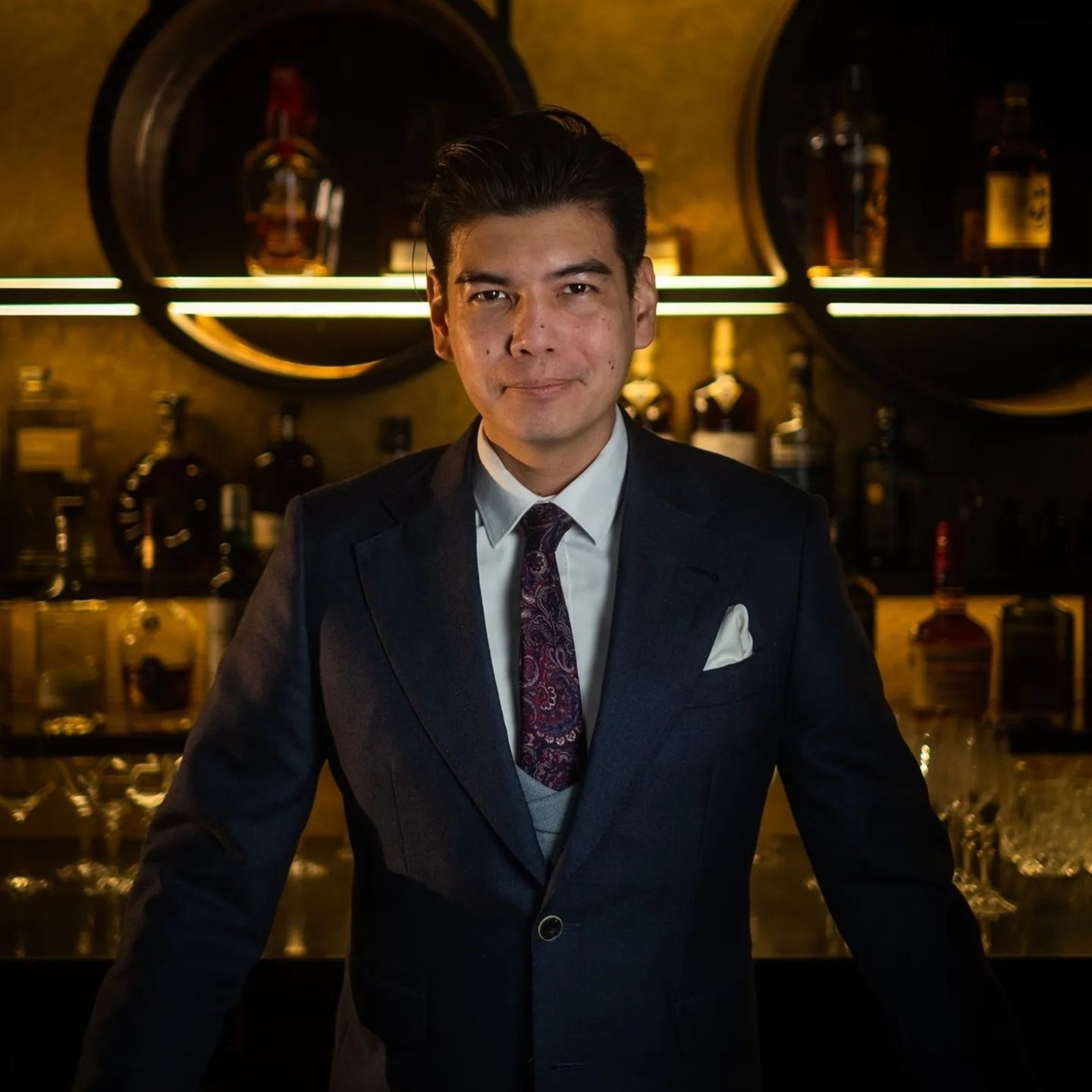
Andrew Pang, the man behind Singapore bar Spectre, talks about using his psychology degree to pioneer Singapore’s first mental wellness venue, and the inspiration behind the bar’s signature Snake Soup cocktail.
What inspired you to create a Mental Wellness Bar?
“This was a way to combine my passion for hospitality with my studies. My major is Psychology but I don’t have a Master’s degree yet. I always thought I needed one when I started working and I’m still doing it 10 years later. My parents sent me abroad to get a degree in Psychology so this way I don’t have to waste their money.”
Why is it important to promote mental health in the hospitality industry?
“Singapore has been one of the best when it comes to cocktail bars, at least for the last few years. It’s just putting more pressure on the cocktail industry. In terms of implementing this in bars, I try to lead by example and say I’m in this with you all. This is what we can do as best practice.”
How does talking openly about mental health work in a bar setting?
“People who come to the bar are there to feel better anyway, so it might be worth a try. We’re not trained therapists, but we’d like to eventually send staff to mental health first aid, but every aspect should have a story about wellness, therapy techniques or some kind of community work. Therapy techniques are featured in all our signature cocktails and we need to get that story across properly, otherwise people will think it’s just advertising. We also have QR codes to direct people to counsellors, therapists, herbalists and lawyers, because different problems have different solutions.”
Why do you think this concept hasn’t been tackled before in the bar scene?
“I think in the food and beverage industry, we still have a very old-fashioned mindset. I grew up in an environment where ‘tough times make strong people.'”
A lot has been accomplished since launching in late 2023. How do you feel?
“It was a bit hectic. To be honest, we had the idea for this since 2022 but we just didn’t have the time to actually get started. Getting staff on board and believing in the program was the first big challenge. Most people don’t feel comfortable talking about mental health in a bar.”
Why do you think there is still such a taboo around mental health and wellness in Singapore?
“Going to therapy is often seen as meaning there’s something wrong with you. We’re also very meritocratic, so taking time off or taking a sick day can affect your chances of promotion because it means others are overtaking you in terms of progress. I used to work for a large local company and every time I took a sick day my chances of promotion went down. It’s going to take a while for this culture to change.”
Are you working hard but still getting enough sleep?
“I did that today. We talk a lot about mental health and there’s a good chance I’ll be the first to burn out. But recognising it is the first step to getting things under control.”
Where do you get your inspiration for the drinks themselves?
“We chose the path of apothecaries and traditional medicine, which in Singapore and Southeast Asia represents wellness. Having traditional medicine equipment in an apothecary’s drawer helps us tell the whole health story. We add ingredients from traditional medicine in Korea, India and China to our drinks. In one of our cocktails we use snake soup, which is a traditional Chinese recipe. You don’t taste the snake; all the herbal flavours come from other roots, herbs and spices, but the snake is there for texture. We then combine ginger beer with tequila or mezcal, depending on the customer’s preference. We make it as a zero-alcohol drink to start with.”
What’s next for Bar Spectre?
“For the September menu, my goal is to have my signature drinks be 100% alcohol-free with the option to have them with alcohol. They’ll still be full drinks and the main flavours will remain the same. It’s just a matter of whether customers want to have alcohol or not.”
What would you like to see happen in the future in Singapore’s F&B industry?
“As a business owner and manager, I want everyone in my community to feel less entitled and more resilient. If employers pay wages fairly, give breaks and recognise the hard work their staff do, it will make a huge difference to people’s circumstances.”
