

While taking supplements can support your overall health, pharmacists say they can also interact with medications, impacting their effectiveness and causing side effects.
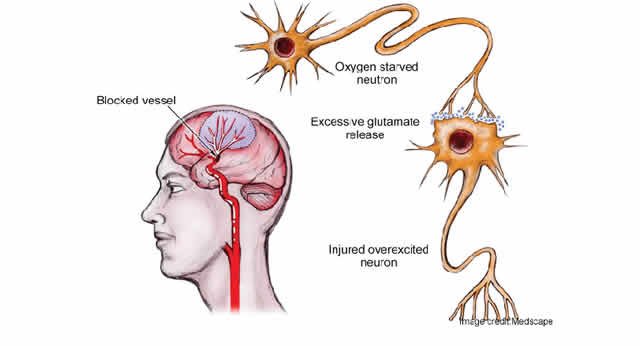
For example, taking vitamin D with thiazide diuretics, which are antihypertensive drugs, may reduce their effectiveness and increase the risk of poor blood pressure control and stroke, the researchers said.
Pharmacists also warned against using antibiotics with “hemostatic agents” or supplements containing iron.
Hypertension, commonly referred to as high blood pressure, is a condition in which the pressure in blood vessels is persistently increased.
According to the World Health Organization, high blood pressure is a serious medical condition that can increase the risk of heart, brain, and kidney disease.
The WHO points out that while globally one in four men and one in five women have high blood pressure, 11 per cent of all deaths in Nigeria are due to cardiovascular disease.
Several studies have reported that self-medication and non-adherence to medication regimens are common drug abuse problems in Nigeria.
Studies have also linked them to poor health and adverse drug reactions.
Supplements are vitamins, minerals, or plant materials taken to improve or maintain normal health.
Mr Lol Ojo, Consultant Pharmacist and Managing Director and Chief Executive Officer of Merit Healthcare Limited, said supplements are also taken during times of stress, hard work and physical activity.
He explained that most medical conditions induce stress, so supplements can be taken to increase the body’s natural supply of vitamins and essential minerals.
However, he noted that not all supplements and medications are compatible.
The U.S. Food and Drug Administration has indicated that the combination of dietary supplements and medications can be harmful and life-threatening.
Medications to treat HIV/AIDs, heart disease, depression, and organ transplants, as well as oral contraceptives, are said to be less effective when taken with certain herbal supplements.
Additionally, he noted that people should seek the advice of their health care professional before combining prescription drugs and dietary supplements.
Commenting on the issue, Ismail Suleiman, Professor of Pharmacoeconomics and Social Pharmacy at Niger Delta University, Wilberforce Island, Bayelsa State, said some supplements contain substances that can have an adverse effect on some drugs. Said to be included.
He says that taking anti-malarial drugs with supplements containing antioxidants inhibits the drug’s effectiveness.
However, he clarified that not all drugs are affected by all supplements, adding: “Everything needs to be individualized depending on the drug or supplement in question.”
The don goes on to say, “For example, anything that contains iron can form complexes with certain drugs. One of the most important ingredients.
“Mistmag (an antacid) contains magnesium, which, when taken with tetracyclines, can cause a so-called complex, which means that the antibiotic is better absorbed.
“Therefore, supplements containing magnesium and metal radicals should not be taken with some antibiotics. For example, ciprofloxacin should not be taken with supplements containing metal radicals. Ciprofloxacin should not be taken with supplements containing metal radicals. Sacin is complex, as the drug is not absorbed well and the minimum effective concentration is not reached.
“When a person takes a drug, there is a minimum level that the drug must reach in order to elicit the desired therapeutic activity. Of course, there is also a maximum therapeutic level that must not be exceeded to avoid toxicity.
“Thus, if the minimum concentration of the drug is not reached, i.e., the level of appropriate therapeutic formation necessary for the drug to be absorbed into the system, the organism being treated becomes resistant to that drug. You will be trained to do so.”
To address potential interactions between supplements and medications, pharmacists recommend allowing a 2-hour gap between prescribed medications and supplements, thereby minimizing drug risks. I said it can be done.
Suleiman also notes that some antibiotics, such as Amplicrox and Ampricin, are best taken on an empty stomach to ensure optimal absorption, and taking them after meals can reduce absorption and effectiveness. Stated.
The pharmacist also warned that all non-steroidal anti-inflammatory drugs, commonly called painkillers, must be taken after meals to prevent peptic ulcers.
Don argues that the combination of supplements and medications depends on the specific drug, patient, and medical condition being treated, and that rather than adopting a one-size-fits-all approach, the approach can be tailored to each situation. pointed out that it was important.
“If a patient is not compliant with their medication, such as not taking it within 12 hours, the effectiveness of the medication will be compromised,” he said.
“Problems arise if the frequency and duration of drug administration are not followed. A person succeeds in eradicating some of the microorganisms, but the rest rebound and multiply. For example, if the drug is given for 5 days, If you take it for three days, 80 percent of the bacteria will be removed, and the remaining 20 percent will multiply exponentially.”
Suleiman advised patients taking high blood pressure medications not to stop taking them without a doctor’s recommendation.
Ojo further said that supplements interact with medicines and the extent and outcome of the interaction depends on the nature of the supplement and the medicines involved.
He says, “Supplements can and do interact with drugs. The extent and consequences of interactions depend on the nature of the supplement and the drug involved.”
“For example, taking vitamin D with thiazide diuretics may reduce its effectiveness and increase the risk of hypercalcemia.”
He also pointed out that people who take vitamin D supplements along with antihypertensive drugs are at risk for uncontrolled blood pressure and, as a result, stroke and other cardiovascular diseases.
“When antihypertensive drugs become less effective, blood pressure can become uncontrolled, putting you at risk for stroke and other cardiovascular complications.
“On the other hand, once hypercalcemia sets in, it can lead to peptic ulcers, pancreatitis, and bone complications.”
He said: ‘Always consult your pharmacist before taking any medication. Medications are not snacks and must be taken on prescription, and if over-the-counter they must be taken on the advice of a pharmacist. .”
