

Vitamin D toxicity, also known as vitamin D overdose, is a rare but potentially dangerous condition. It occurs when there is too much vitamin D in the body. Vitamin D toxicity is also called hypervitaminosis D.
Overdosing on vitamin D is usually a side effect of taking large amounts of vitamin D supplements. It cannot be caused by direct sunlight or food.
This article describes the most common symptoms of vitamin D overdose, who is at risk for vitamin D overdose, rare symptoms, complications, and more.
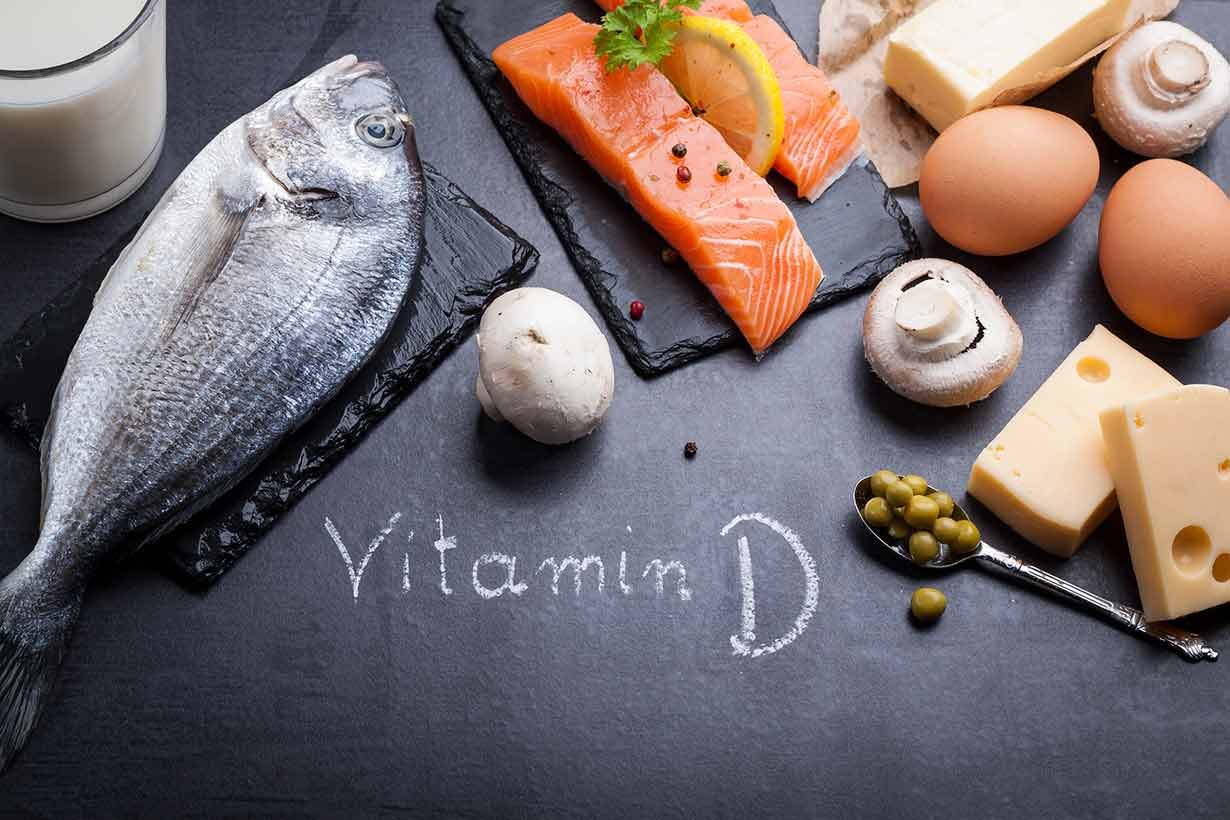
Vitamin D is found naturally in some foods, including fatty fish such as salmon and mackerel, egg yolks, red meat, and liver. Fortified foods have added vitamin D and include fortified milk and cereals. You can also get vitamin D by direct sunlight converting chemicals in your skin to calciferol (active vitamin D).
The common types of vitamin D that you get from your diet are D2 (ergocalciferol) and D3 (cholecalciferol). They play the same role in the body, but have different origins. Vitamin D2 comes from plants, while vitamin D3 comes from animals. Vitamin D3 has been found to bind more effectively, making it a more potent source and allowing you to receive the same health benefits in smaller doses.
Some people are at increased risk of vitamin D deficiency (not enough vitamin D in the body). They include:
- Those who are unable to go out (frail, housebound, etc.)
- People residing in nursing facilities (such as skilled nursing facilities) or correctional facilities
- People who wear clothing that covers their skin outdoors
- dark skinned person
- People whose bodies do not process vitamin D properly due to health conditions such as chronic kidney disease or liver disease.
Researchers believe that people with darker skin may have lower intakes of vitamin D. We believe this is because darker skin has more melanin, which limits the rate of skin synthesis. This is when the top layer of your skin (the epidermis) activates (synthesizes) vitamin D when exposed to the sun’s ultraviolet (UV) radiation.

