

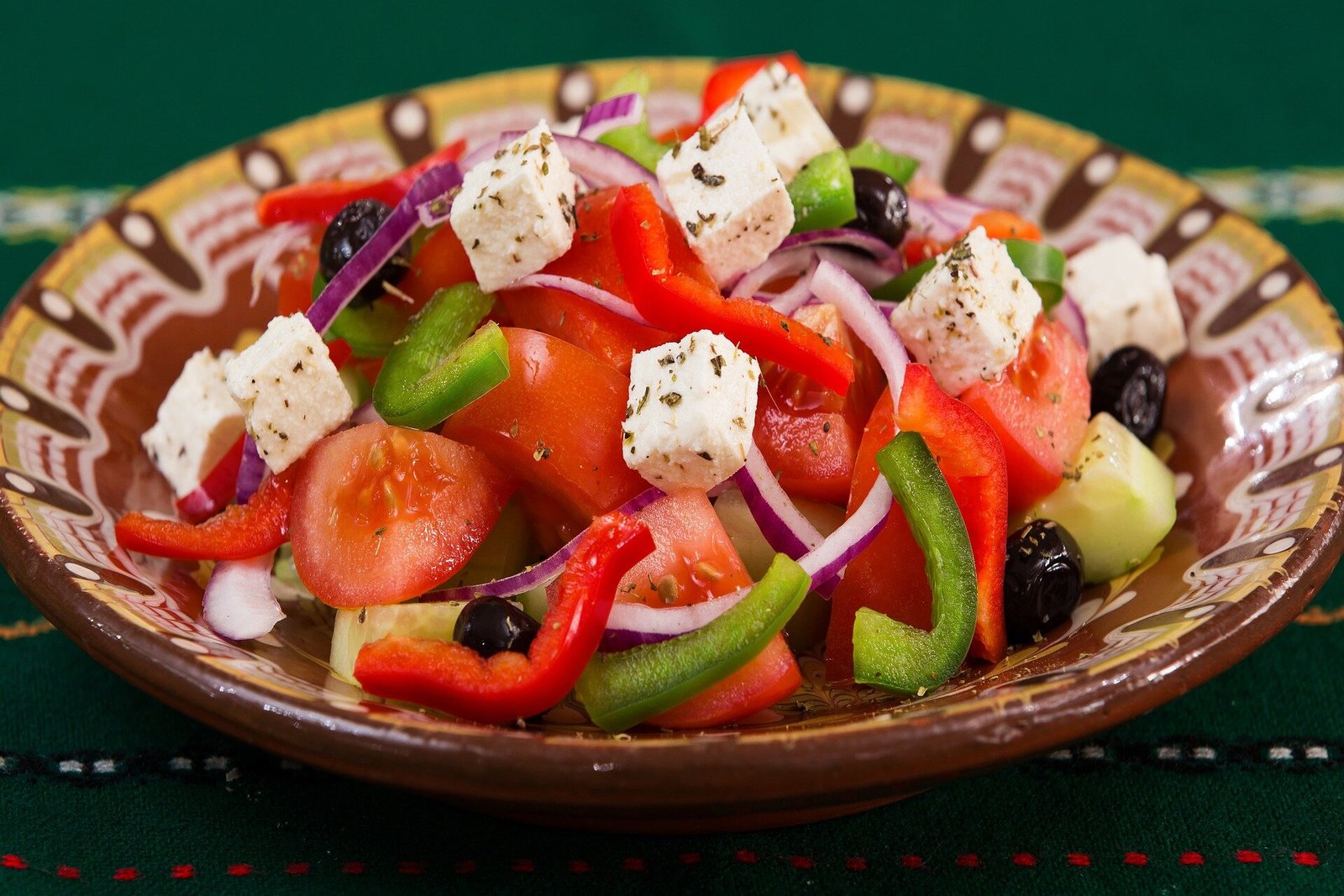
Credit: Pixabay/CC0 Public Domain
Eating habits aligned with the Mediterranean diet and the Dietary Approaches to Stop Hypertension (DASH) diet may help lower the risk of cardiovascular disease in adults with type 1 diabetes, according to the results of a six-year study.
Both the DASH diet and the Mediterranean diet are considered heart-healthy and emphasize plant-based foods, healthy fats, lean proteins, and low intake of processed foods and sugars.
“Type 1 diabetes increases your risk of developing cardiovascular disease, raising the chances of heart attack, stroke, and other serious health complications,” said Arpita Basu, PhD, RD, associate professor in the Department of Kinesiology and Nutritional Sciences at the University of Nevada, Las Vegas.
“We wanted to know how people’s usual eating habits affect inflammatory markers in the blood that predict cardiovascular disease risk in adults with type 1 diabetes.”
Basu presented the findings at NUTRITION 2024, the American Academy of Nutrition’s flagship annual meeting, held in Chicago from June 29 to July 2.
“We found that both the DASH diet and the Mediterranean diet have protective effects, meaning that consuming these eating patterns regularly can have benefits,” Bass said. “Our findings are more practical than those of clinical studies because clinical studies of these diets typically manipulate eating behavior in ways that cannot be sustained in everyday life.”
The new study builds on previous research in which researchers showed that the DASH and Mediterranean dietary patterns are associated with less fat accumulation around heart tissue in adults with and without type 1 diabetes, as well as lower odds of coronary artery calcification, a progressive form of cardiovascular disease, in adults without diabetes.
“This new study reports a protective association between these diets and certain blood cardiovascular disease markers, which may explain our previous findings and provide new data on how diet affects inflammation in type 1 diabetes,” Bass said.
The six-year study involved 1,255 adults, including 563 with type 1 diabetes and 692 without. Researchers assessed their diet using a food frequency questionnaire to obtain dietary information about different food groups.
This information was used to calculate nutrient intakes over the six-year study period and to determine how well dietary patterns conformed to three diets commonly used in the management of cardiovascular disease: the Mediterranean diet, the Alternative Healthy Eating Index (AHEI), and DASH.
The researchers also analyzed a variety of blood markers frequently used in clinical settings to determine cardiovascular disease risk and inflammation, including C-reactive protein (CRP), fibrinogen, plasminogen activator inhibitor-1 (PAI-1), and homocysteine (Hcy).
Overall, people who consumed diets closer to the DASH and Mediterranean patterns and scored higher on those indices had lower levels of Hcy and PAI-1, even after taking into account other demographic and lifestyle factors such as BMI, age, total caloric intake, blood lipids, blood pressure, smoking, physical activity, etc. No associations were found between AHEI scores and any of the biomarkers studied.
The researchers note that although Hcy has been consistently shown to increase the risk of cardiovascular disease, its association with dietary patterns in type 1 diabetes has not previously been studied.
The analysis also found that adults with type 1 diabetes typically consume a high-fat diet, mainly as a result of reducing carbohydrates and increasing animal protein foods that are high in saturated fat and cholesterol.
“There is an urgent need to address dietary quality in adults with type 1 diabetes,” Bass says. “In clinical settings, assessing dietary intake using the DASH and Mediterranean diet checklists can be an effective way to identify missing nutrients and improve intake. Even if you can’t change your entire diet, you can add specific foods that are part of these dietary patterns to your diet, such as olives and nuts in the Mediterranean diet.”
Please note that although the abstracts presented at NUTRITION 2024 were evaluated and selected by an expert committee, they have not undergone the peer review process typically required for publication in a scientific journal. Therefore, the presented research findings should be considered provisional until a peer-reviewed publication has been published.
For more information:
Basu presented the study during a Nutrition Epidemiology Poster Session on Sunday, June 30, from 11:45 a.m. to 12:45 p.m. CDT at McCormick Place ( abstract , presentation details ).
Courtesy of the American Academy of Nutrition
Quote: Study Reveals Heart-Protective Dietary Patterns for Type 1 Diabetes Patients (July 1, 2024) Retrieved July 1, 2024 from https://medicalxpress.com/news/2024-07-uncovers-heart-patterns-diabetes.html
This document is subject to copyright. It may not be reproduced without written permission, except for fair dealing for the purposes of personal study or research. The content is provided for informational purposes only.
