

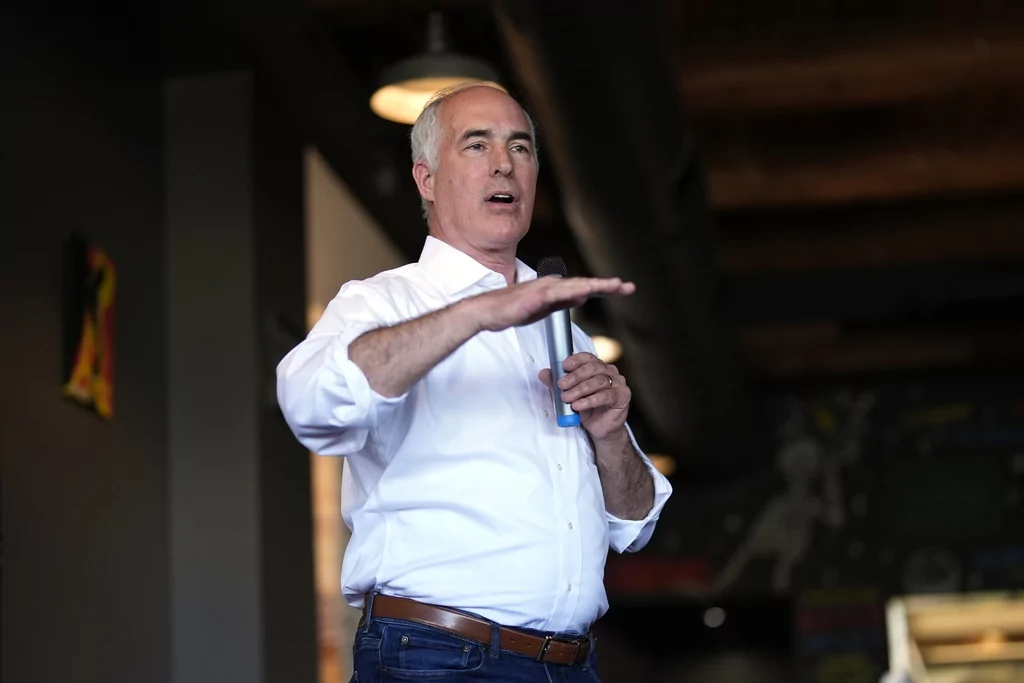
Sen. Bob Casey (D-Pennsylvania) is calling for federal action to address the issue of hoarding disorder, a growing concern among seniors.
“Hoarding disorder is a heartbreaking condition that creates challenges for older adults, their families and communities across the country,” said Casey, chairman of the Senate Select Committee on Aging.
Hoarding disorder affects approximately 14 million people in the U.S. About 2% of all U.S. residents have this mental illness, but about 6% of adults over the age of 70 have hoarding disorder.
Hoarding disorder may contribute to social isolation due to stigma spread in part by reality TV shows that feature extreme cases of the disorder. For older adults, the stigma surrounding hoarding disorder may exacerbate existing problems for older adults who lack social connections.
However, the disorder can have even more devastating effects on physical health.
Excessive accumulation can not only lead to unsanitary conditions, but it can also restrict movement around the home.
According to one study cited in the report, 70% of people with hoarding disorder are unable to use the couch, 45% are unable to use the refrigerator, about 42% are unable to use the bathtub and 10% are unable to use the toilet.
Hoarding disorders also increase seniors’ risk of falls. On average, fall-related injuries cost Medicare approximately $31 billion per year.
This situation also risks significantly increasing the burden on local fire departments, as cluttered environments make life-saving efforts more dangerous and less likely.
The report explains that it takes about one minute and 40 seconds for an overly cluttered environment to reach flashover (i.e. everything in the house burning at the same time), compared to six minutes in a unclumsy home. After a flashover, people trapped inside a structure are unlikely to be rescued.
Hoarding can also lead to housing insecurity, and landlords of people with hoarding disorder have a hard time complying with local safety codes.
Cognitive behavioral and psychological therapy is available for people with hoarding disorder, but social workers and community experts who testified before the committee on the report stressed the need for more research and better rehabilitation options.
Casey’s majority committee report found that federal public health agencies, such as the Centers for Disease Control and the Substance Abuse and Mental Health Services Administration, have little support for people with hoarding disorder.
To read more from the Washington Examiner, click here
“The federal government has an obligation to ensure Americans can retire with dignity, and this report makes clear that obligation must include strengthening our response to hoarding disorder,” Casey said.
Helping seniors is a key part of his reelection campaign against Republican challenger Dave McCormick, in Casey’s state, where about 20% of residents are over 65. More than 22% of the state’s population is covered by Medicare, compared with 19% nationwide.
