

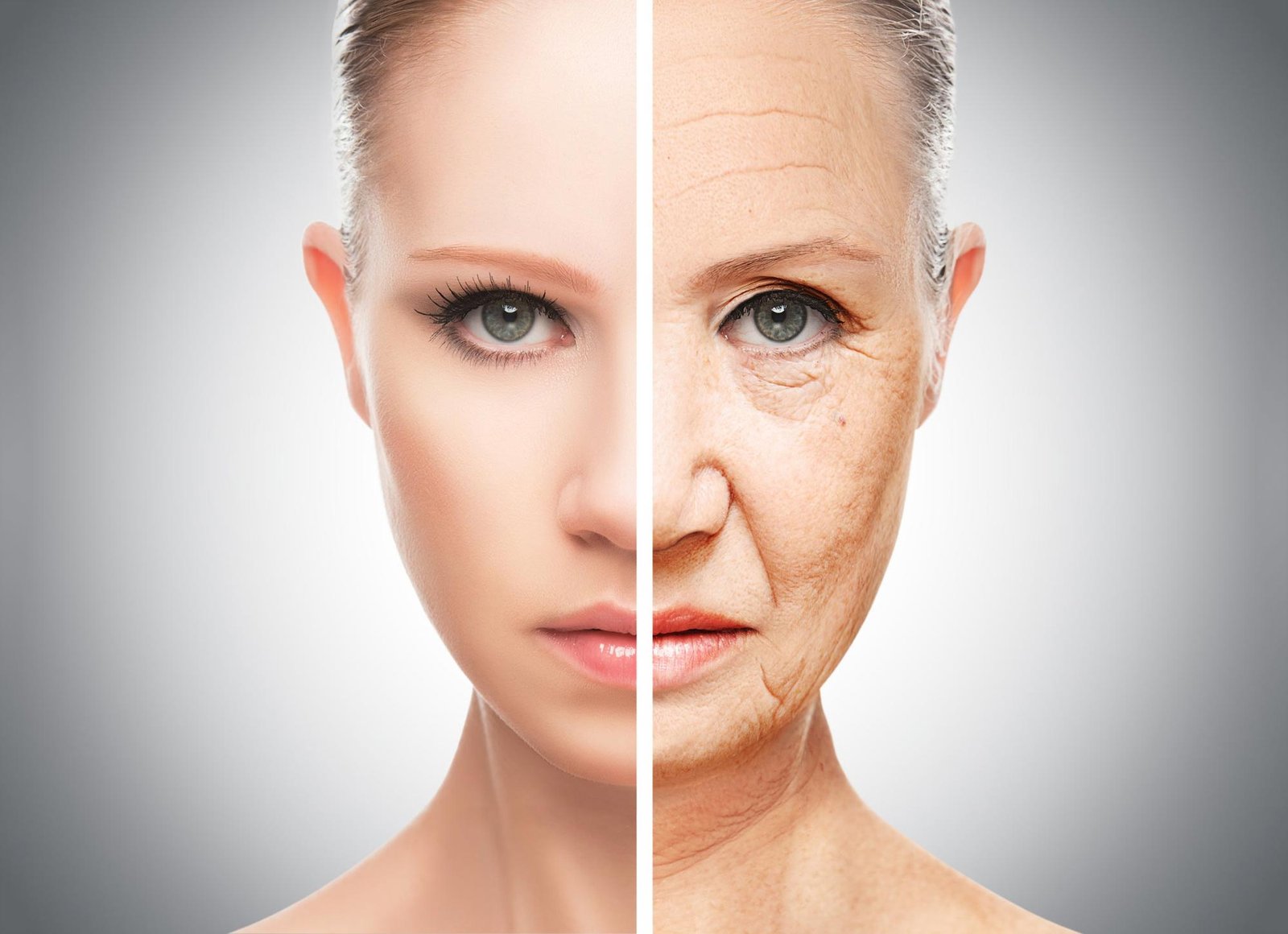
Fat by-products such as fatty acids and glycerol accelerate aging. The enzyme ADH-1, which breaks down glycerol, has the potential to slow aging. Interventions such as calorie restriction can extend lifespan, but societal change is needed to accommodate increased lifespan.
The main fat by-products, fatty acids and glycerol, contribute to aging and chronic diseases.
Research suggests that reducing these by-products, particularly through the enzyme ADH-1, may slow aging. Calorie restriction and drugs such as rapamycin increase ADH-1 activity, lowering glycerol levels in laboratory animals and extending their lifespan.
The effects of fat by-products on aging
The aging process brings with it an inevitable reality for many people: increased accumulation of body fat. While much of society seems to focus primarily on the appearance of being overweight, doctors tend to ignore cosmetic concerns and focus instead on the health effects of fat by-products in the body.
Fatty acids are one of the molecular building blocks of fat. Although they are essential for many bodily functions, having too much of them in the body can be harmful, increasing the risk of chronic diseases, interfering with metabolic processes, and promoting inflammation, which can shorten a person’s health and lifespan.

The accumulation of fat by-products like glycerol may contribute to premature aging. Source: SciTechDaily.com
Fatty acids are routinely tested during health tests, such as blood tests that measure lipid profiles, but clinicians and researchers often overlook the potentially harmful effects of another key component of fat: glycerol, the compound that bonds fatty acids together to form fat molecules.
Both of these by-products of fat impair cell and organ function, mirroring the effects of aging. In fact, researchers are increasingly suspecting that obesity may trigger accelerated aging.
Research focus on fat and aging
The role that fat plays in aging is one of the focuses of my research as a genomicist and biochemist. My research team and I wondered whether reducing harmful fat by-products could slow the aging process and, as a result, prevent common diseases.
Although fats serve important functions in our cells, not all fats are healthy.
Breaks down fat by-products
While studying ways to extend the lifespan and improve health in older age in laboratory animals, my colleagues and I noticed a consistent pattern: every anti-aging intervention we tested led to a decrease in glycerol levels.
For example, when ingested on a calorie-restricted diet, nematodes Nematode They increased their lifespan by about 40%. They found that the long-lived worms had lower glycerol levels in their bodies than the short-lived worms that were not dietarily restricted. Calorie restriction also increased the activity of the glycerol-degrading enzyme ADH-1 in the intestine and muscle.
ADH-1 and calorie restriction
Levels of ADH-1 activity were similarly high in people on a restricted diet and those receiving the anti-aging drug called rapamycin, a finding that suggests there may be common mechanisms underlying healthy aging. seedIt has ADH-1 at its nucleus.
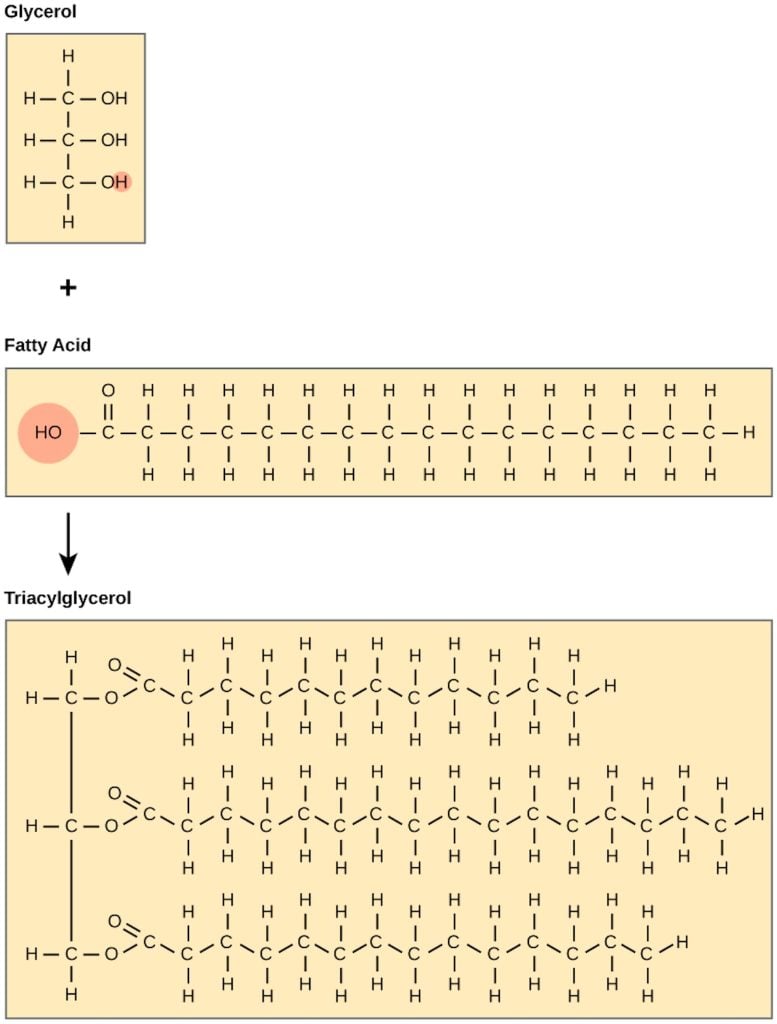
Triacylglycerols, also known as triglycerides, are made up of glycerol with three fatty acids attached. Credit: Lumen Learning (formerly Boundless) via LibreTexts, CC BY-SA
We hypothesized that increasing ADH-1 activity would reduce harmful glycerol levels and promote health in old age. We had two key observations that supported this hypothesis. First, we found that adding glycerol to earthworm diets shortened the earthworms’ lifespan by 30%. In contrast, animals genetically engineered to have higher levels of the glycerol-degrading enzyme ADH-1 remained lean and healthy and lived longer on an unrestricted diet with lower glycerol levels.
ADH-1’s simple molecular structure and extensive research make it an attractive target for developing drugs to enhance its activity. A long-term goal in my lab is to investigate how compounds that activate ADH-1 affect the health and lifespan of mice and humans.
Social impact of anti-aging research
Anti-aging research generates both excitement and debate: on the one hand, the benefits of healthy aging are clear; on the other hand, the increased lifespan that comes with healthier aging may bring new societal challenges.
As life expectancy increases to 120 years, social structures such as retirement ages and economic models will need to evolve to accommodate an ageing society. Laws and social frameworks regarding care for the elderly and their families may also need to be rethought. Sandwich generations – those with children and still living parents or grandparents – may find themselves caring for even more generations at the same time. Longer life spans will require society to rethink and restructure how it integrates and supports an aging population within its communities.
Whether it’s through ADH-1 or dietary adjustments, the search for solutions to healthy aging isn’t just a medical journey, it’s a social journey too.
Author: Eyleen Jorgelina O’Rourke, Associate Professor of Biology and Cell Biology, University of Virginia
This article was originally published on The Conversation.
