

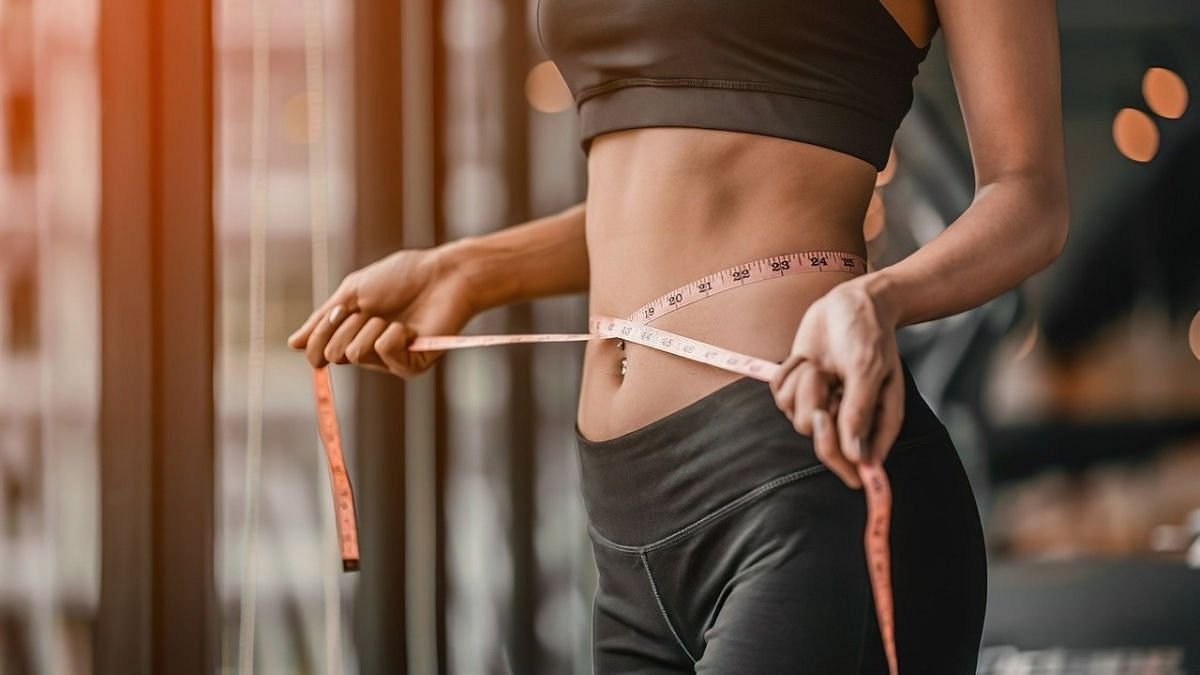
ohOne of the less talked about consequences of weight loss is loose skin. One of my follow-up patients lost a significant amount of weight. But far from being happy, she was troubled by the loose skin around her stomach that just wouldn’t go away no matter how hard she tried.
The reason for loose skin after significant weight loss is a combination of factors related to skin structure and function. Let’s take a closer look.
Skin Elasticity: Skin is made of collagen and elastin, proteins that give it structure and elasticity. When you gain weight, your skin stretches to accommodate the extra weight. Over time, these collagen and elastin fibers can become damaged or lose elasticity, making it harder for your skin to shrink when you lose weight.
Read the full story
Weight loss rate: When you lose weight too quickly, your skin doesn’t have enough time to shrink back down, which can lead to loose skin, especially in people who have had weight-loss surgery. When you lose weight gradually, your skin has more time to adjust and shrink.
Duration of being overweight: Prolonged stretching permanently damages elastin fibers and reduces the skin’s ability to recover – the longer skin is stretched, the less likely it is to return to its original shape.
Year: As we age, our skin naturally loses collagen and elastin, making it less elastic and more prone to sagging. Older people are more likely than younger people to experience sagging skin after weight loss.
Genetics: Genetics influences skin elasticity: some people are born with more elastic skin than others, which can affect how well their skin contracts after weight loss.
Amount of weight lost: The more weight you lose, the more likely you are to have loose skin. Large weight losses result in more excess skin than smaller weight losses.
Exposure to the sun: Chronic sun exposure can damage collagen and elastin fibers in the skin, reducing skin elasticity and causing sagging skin.
Lifestyle factors: Poor hydration and nutrition can affect skin health and elasticity. A diet lacking essential nutrients can impair skin’s ability to maintain its structure and function.
smoking: Smoking reduces blood flow to the skin and damages collagen and elastin, causing premature aging and reduced skin elasticity.
Prevents sagging skin
Managing loose skin after significant weight loss can be difficult, but there are several strategies you can consider to improve skin elasticity and appearance. Here are some approaches:
- Lose weight gradually: Rapid weight loss can lead to loose skin, so aim for a steady weight loss of 0.5 kg per day.
- strength training: Strength training can help build muscle mass and add volume to loose skin for a better looking look. If the gym isn’t your thing, try yoga, pilates, swimming, or anything else that builds muscle.
- Hydration: Drink plenty of water to keep your skin hydrated and elastic. It is recommended to drink 2 liters of water daily to keep your skin properly hydrated. Translucent body gel with high glycerin content nourishes the skin.
- nutrition: Eat a balanced diet rich in vitamins and minerals, especially vitamins C and E, zinc, and collagen-boosting foods such as bone broth, chicken skin, and fish. Spinach, kale, and other leafy greens are good sources of these nutrients for vegetarians.
- Moisturizer: Use moisturizers that contain ingredients like hyaluronic acid, aloe vera, and collagen to increase skin elasticity.
- Exfoliating: Regular exfoliation improves blood circulation and promotes new skin growth.
- Body Oil: Bio Oil will not help reduce stretch marks, I would recommend Jojoba Oil to prevent stretch marks on loose skin.
Read also: Staying indoors to avoid sunburn? Get outside and fight off summer tans with this homemade scrub
Treating loose skin
While these options may be helpful during weight loss, there are also medical treatments available for those currently struggling with loose skin.
Treatments such as laser therapy can help stimulate collagen production and tighten the skin. This technology uses heat to promote collagen and elastin production, and if maintained correctly, the results of this treatment can last for up to three years.
Another option is to use radiofrequency energy to heat the skin and stimulate collagen production. Radiofrequency uses safe levels of low-frequency electromagnetic waves to generate heat. When this heat is transmitted to the deeper layers of the skin, it stimulates the production of new skin cells.
Some of the more common surgical options include an abdominoplasty (abdominoplasty), arm lift (brachioplasty), or thigh lift.
It is equally important to understand that skin recession is a slow process and it may take up to two years before you see any noticeable changes. It is also important to remember that with any treatment, the state of your skin after weight loss may not be what you imagined it would be.
Dr. Deepali Bhardwaj is a Dermatologist, Anti-Allergist, Laser Surgeon and Internationally Trained Aesthetician. Follow her on Twitter at @dermatdoc.
(Editor: Theres Sudeep)
