

Beyond being a mere meteorological phenomenon, rain has always held a special place in the human imagination, becoming a powerful symbol of spirituality across cultures and religions. The sound of raindrops, the sight of a misty horizon, and the smell of the earth after a downpour evoke a deep sense of connection to something greater than ourselves. In this article, we explore the multifaceted spiritual meaning of rain and its role in various spiritual traditions.
The Universal Symbolism of Rain
Rain is widely seen as a symbol of cleansing, renewal and divine grace. It washes away dust and dirt, rejuvenates the earth and heralds new growth. This cleansing effect is often reflected in spiritual practices and beliefs.
In many cultures, rain is seen as a gift from the gods, a manifestation of divine mercy. It provides the vital water needed for crops, animals and humans. The life-giving aspect of rain emphasizes its role as a symbol of fertility and abundance, reinforcing the idea that rain is a divine blessing.
Rain in Religious Texts Hinduism
In Hinduism, rain is considered a gift from Indra, the god of rain and thunder. One of the oldest sacred texts, the Rig Veda, contains hymns praising Indra for bringing rain and ensuring prosperity for the land. The much-anticipated monsoon season in India is more than just a meteorological phenomenon, it is also a time of spiritual renewal and celebration.
Christianity
Rain is also an important spiritual symbol in Christianity. In the Bible, rain is often depicted as a sign of God’s providence and mercy. In the Old Testament, rain is seen as a blessing from God that was essential for the survival of the Israelites. In the New Testament, this symbolism continues, where rain represents God’s grace and the outpouring of the Holy Spirit.
Indigenous Spirituality
For many indigenous cultures, rain is an important element of the spiritual landscape. In Native American spirituality, rain dances are performed to bring rain and ensure fertility for the land. These dances are not just practical rituals, but deeply spiritual expressions of respect and gratitude to nature and the divine forces that govern it.
Rain and meditation
The sound of rain has a unique power to encourage meditation and spiritual reflection. The rhythmic sound of raindrops acts as natural white noise, calming the mind and helping to deepen meditative states. Many people find that meditating while it is raining enhances their sense of connection to the earth and the present moment.
Rain is a metaphor for inner growth
Rain is often used in spiritual literature as a metaphor for inner growth and emotional cleansing. Just as rain nourishes the soil and encourages new growth, spiritual practices can nurture the soul and foster personal transformation. The process of facing and overcoming life’s challenges can be likened to enduring a storm. After weathering the storm, we emerge as stronger, more resilient people.
Rain-related rituals and customs
Various religious traditions incorporate rain into their rituals and practices. For example, rainwater is considered sacred in many cultures and is used in cleansing rites. Collecting rainwater for use in blessings, anointings, and other rituals is a common practice.
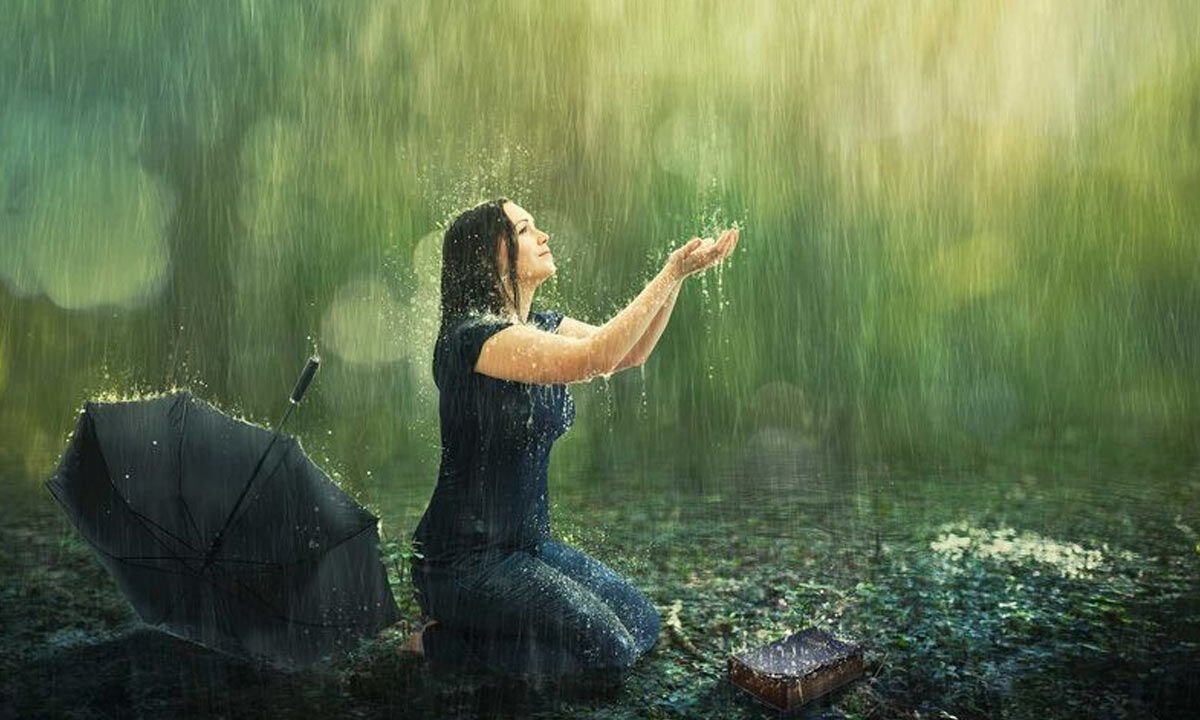
Some spiritual communities plan outdoor ceremonies to coincide with rainy weather to enhance a sense of sacredness and connection to the natural world. The act of standing in the rain and feeling the water on your skin can be a powerful spiritual experience, symbolizing surrender, renewal, and communion with the divine.
Conclusion Rain, in its many forms, continues to be a profound symbol of spirituality. Rain embodies the cyclical nature of life, death, and rebirth, and reminds us of the interconnectedness of all things. Whether seen as a divine gift, a force of nature to be worshiped, or a metaphor for personal growth, rain continues to inspire and uplift the human spirit. Hearing the sound of rain reminds us of the sacred rhythms of the Earth and our place in the vast and complex tapestry of existence.
