

Wednesday, June 19, 2024
Reading Time: 2 Minutes

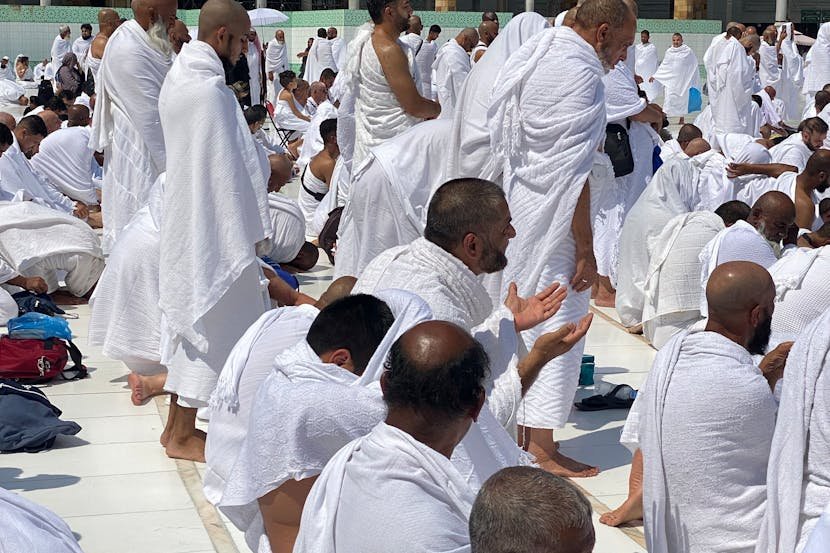
The Hajj is the holy pilgrimage to Mecca, a journey fraught with enormous physical, emotional and spiritual challenges. Every year, millions of Muslims undertake this once-in-a-lifetime experience in search of spiritual fulfillment and self-realization. However, the demanding nature of the pilgrimage requires careful preparation to ensure a safe and meaningful journey. Dr Vikram Vora, Medical Director, International SOS He will share his experience on how to tackle pilgrimage tourism in Saudi Arabia.
Physical challengesThe Hajj involves long walking distances – some ranging from 5 to 15 kilometers a day – which can be challenging for people with chronic illnesses or joint pain, or who are not used to strenuous exercise. The intense heat and crowded conditions increase the physical strain and often lead to heat stroke, muscle cramps and respiratory infections. To reduce these risks, pilgrims should gradually build up their physical endurance through daily exercise, such as brisk walking, and remain well hydrated and nourished throughout the journey.
Emotional challengesThe Hajj pilgrimage can be spiritually liberating yet emotionally taxing. The fear of getting lost, the risk of unruly crowds, and the pressure to get the rituals right can create a contradictory experience that mixes spiritually uplifting moments with great stress. Being mentally prepared for these difficulties is crucial. Pilgrims can benefit from engaging in mindfulness practices and staying connected with their companions for emotional support.
Mental challenge: Traditionally, thorough preparation helped pilgrims prepare spiritually for the Hajj. However, modern travel conveniences have shortened preparation time, leaving some people feeling less mentally prepared. Regular prayer, reflection, and study of the pilgrimage can help with spiritual preparation.
Managing Common Health Problems
Before your tripPilgrims should receive all necessary vaccinations, including meningococcal, COVID-19 and seasonal influenza. It is essential that people, especially those with chronic illnesses, consult with their health care providers about any necessary medications and other preventive measures.
During the journeyAvoiding walks during the hottest hours, staying hydrated, eating fresh and properly stored foods, being cautious in crowded places and minimizing close contact will help prevent infection.
After the trip: It is important to continue to monitor your health and seek medical advice if necessary. Reflecting on your Hajj experience and maintaining the spiritual gains made during the Hajj may bring lasting benefits.
Careful planning and preparation can help pilgrims navigate the physical, emotional and spiritual challenges of the Hajj and ensure a safe and fulfilling pilgrimage.
Tags: Hajj, Hajj tourism, Hajj travel, health tips, taking care of your health during Hajj pilgrimage, physical endurance, pilgrim safety, pilgrimage, preparing for the emotional challenges of Hajj, Saudi Arabia, spiritual journey, travel preparation, travel tips

