

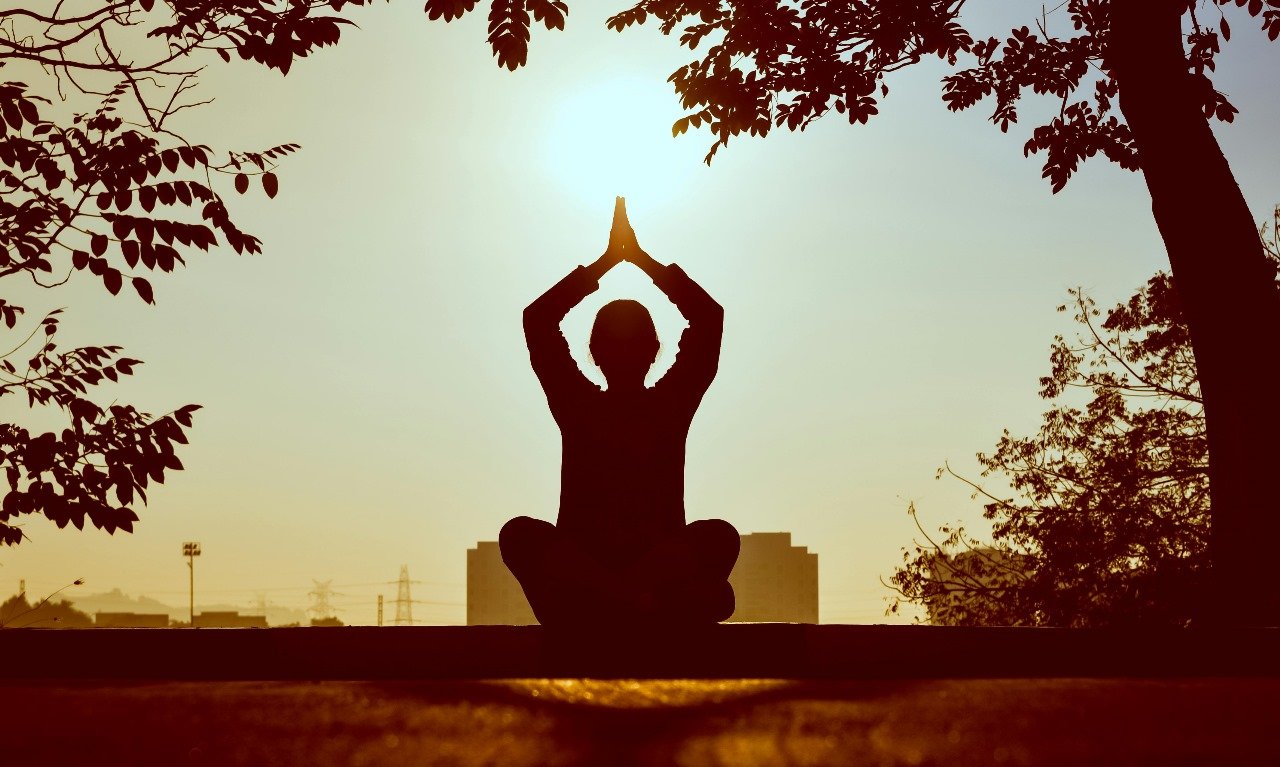
May 21st of each year is celebrated as World Meditation Day, a day dedicated to the practice of meditation. Imagine a place where your mind can relax, your worries will disappear, and you will feel completely at ease. This place is not in a faraway land, but within you. World Meditation Day reminds us of the importance of taking time to relax, reflect and connect with ourselves. For thousands of years, meditation has served as a beacon of calm in the tumultuous waters of human existence, guiding people from many different cultures and backgrounds into a state of tranquil mindfulness.
People of all ages and backgrounds can meditate on this day, whether they are beginners or experts. Meditation has a variety of benefits, including reducing stress, increasing alertness, and improving mental health. Those who set aside time to meditate on World Meditation Day will not only enjoy these benefits, but will also promote a sense of global harmony.
origins of meditation
Meditation is widely believed to have deep roots in India and played an important role in early Hindu traditions. The Vedas, a vast collection of religious texts dating back to around 1500 BC, contain the earliest references to meditation. These works include hymns and philosophies, and meditation serves as an important practice for spiritual progress and self-realization.
In Hinduism, meditation is often associated with yoga. The term “yoga” is derived from the Sanskrit word “yuj”, meaning yoke or unity, and refers to the connection of an individual’s soul with God. Ancient texts such as the Upanishads and the Bhagavad Gita consider meditation as a way to achieve higher levels of consciousness and connect with the ultimate truth, Brahman.
Meditation spread from India to other parts of Asia and greatly influenced many spiritual traditions, including Buddhism and Taoism. Meditation traditions are also found in ancient cultures outside of India, China, and Japan, such as ancient Egypt and Greece. Meditation is now a global phenomenon, practiced by millions of people across cultures and religions.
different types of meditation practices
Meditation comes in many forms, each with its own approach. Here we look at the five most popular types of him.
- Mindfulness meditation:
This method allows you to be fully present in the moment, observing your thoughts without judgment. It originates from the Buddhist tradition, but is now commonly practiced in the West.
- Spiritual Meditation:
This method is often practiced at home or in a place of worship and focuses on a deeper understanding of spiritual meaning and connection to the power of God.
- Concentrated meditation:
This method involves focusing one of your five senses. For example, focus on your breathing, count your rosary, stare at the flame of a candle, or listen to the sound of a gong. This helps improve concentration and attention.
- Visualization meditation:
This method focuses on increasing feelings of relaxation, peace, and tranquility by visualizing positive scenes, images, and numbers and using all five senses to enrich the meditation experience. This improves concentration and motivation, boosts mood, and promotes peace of mind.
- Loving-kindness meditation (Metta):
Rooted in Buddhist tradition, this practice involves creating feelings of compassion and love for yourself and others. It may be perfect for people who have feelings of revenge or anger.
benefits of meditation
Meditation has many benefits, including:
- It reduces stress by calming the mind.
- Improves concentration and concentration.
- Increases emotional well-being and stability.
- Promotes better sleep and relaxation.
- Strengthens the immune system.
- Increases self-awareness and mindfulness.
- Lowers blood pressure and improves heart function.
- Reduces symptoms of anxiety and depression.
- Encourage a positive outlook on life.
- Improves overall mental clarity and cognitive function.
How to celebrate World Meditation Day
First, you don’t have to be an experienced meditator to participate in World Meditation Day. All you need is a positive mindset towards meditation. Here are some basic steps to help you get started.
- Find a quiet place: Choose a quiet place where you won’t be disturbed.
- Sit comfortably and relax: Try to sit in a position that is comfortable and relaxing for your body.
- close your eyes: Close your eyes to improve your concentration.
- Take a deep breath: Take slow, deep breaths to relax your mind and body.
- Visualize positive memories: Remember happy memories and feel the joy they bring.
- Focus on the present moment: Keep your attention on the present and if it wanders away, gently bring it back.
- Start small: Start with a few minutes of daily meditation sessions and gradually increase the time.
You too can join in on World Meditation Day by trying these simple steps. Share the benefits of meditation with your friends and family. Let them know how it helps with mental well-being and how it can contribute to our health by improving concentration and reducing stress. Celebrating World Meditation Day together will make the experience even more rewarding and enjoyable, and the start of a healthier life for everyone involved.
