

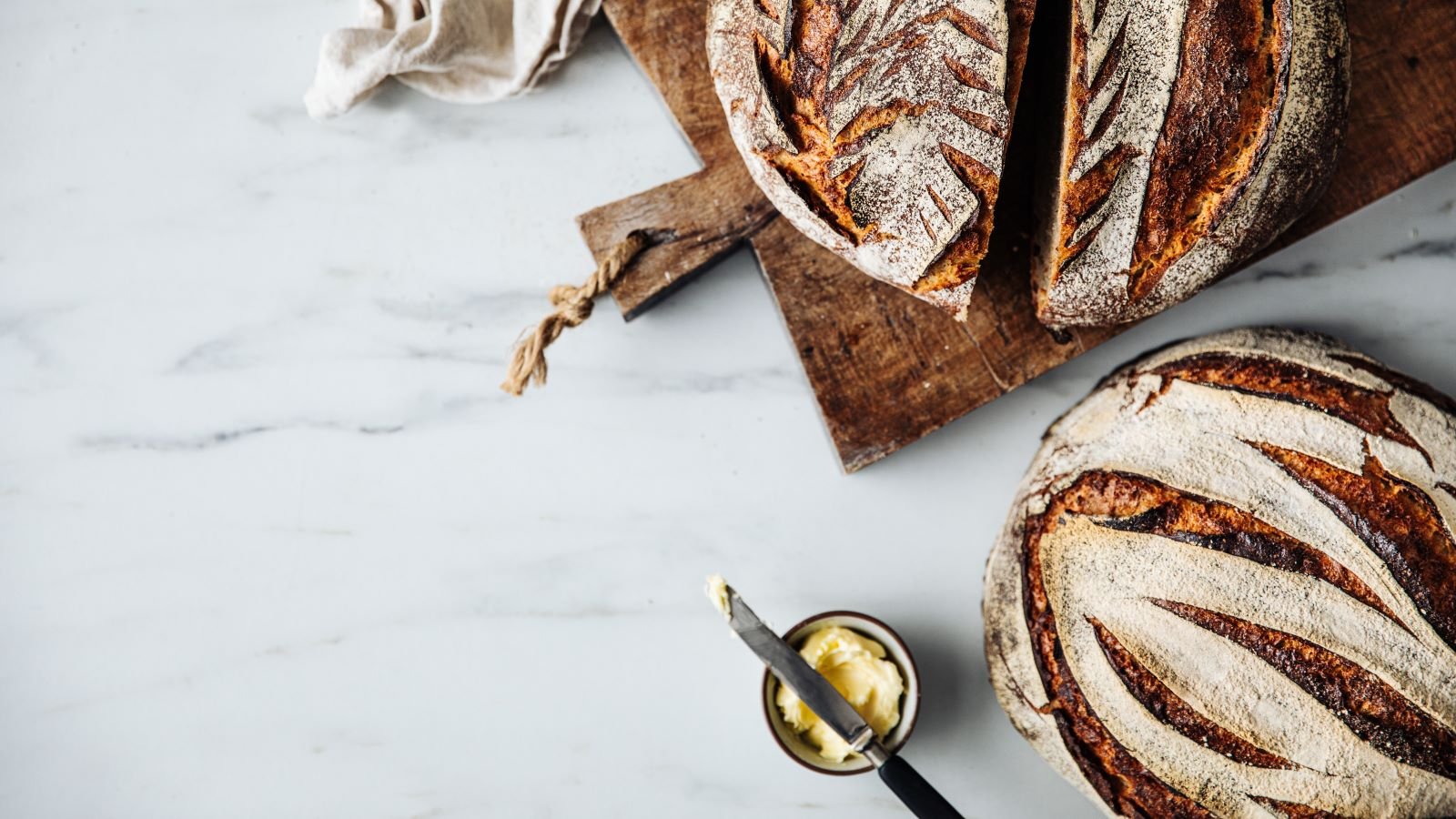
From pumpernickel to sourdough, bread is a staple in every household, but are some types of bread healthier than others?
Next time before you pack a sandwich, listen to some nutritionist advice.
whole wheat
It’s no surprise that whole wheat is one of the healthiest breads out there.
“The word ‘whole’ indicates that the grain hasn’t been heavily processed,” says Jamie Allers, a registered dietitian with Hartford Healthcare’s Digestive Health Institute. “This means it contains all parts of the grain, meaning it contains more vitamins, minerals and fiber.”
But read the label carefully: “100% whole wheat” means it’s free of refined flour, while “made with whole wheat” might indicate it contains a blend.
“That’s why it’s so important to read the ingredients list and not just rely on the front of the packaging – this will tell you if your bread of choice is high in salt, added sugars or high fructose corn syrup,” she adds.
> Related: Nutrition Smackdown: Whole Grains
Rye
There are many different types of rye bread, each with its own set of health benefits.
“Rye comes in light, dark and marble, and pumpernickel is technically a rye bread, so it’s hard to make general statements,” Allers says. “Dark rye and pumpernickel tend to be made with whole wheat flour, while light rye is made with processed flour. Marble rye falls somewhere in between.”
High in fiber and B vitamins, dark rye tends to be more filling and nutritious than white bread. But again, labeling is key: Some rye varieties can be high in added sugars from sweeteners like cocoa and molasses.
Sourdough
Unlike most breads, sourdough is not made with baker’s yeast, but instead with a starter that is allowed to ferment slowly and produces natural yeasts.
“Several studies have shown that this fermentation process helps the body absorb the nutrients in sourdough bread,” Allers says. “These include calcium, phosphorus, and iron.”
Fermentation doesn’t just provide nutrients.
“While it doesn’t remove the gluten, this process makes sourdough easier to digest than other options.”
> Want more health news? Text “StartHere” to 85209 to sign up for text alerts.
Italian
Italian bread is usually made with refined wheat flour and is comparable to most white breads.
“They tend to be lower in fat and cholesterol,” Allers says, “and as with any bread, the amount of sugar varies depending on the ingredients added.”
Unlike whole wheat bread, Italian bread is generally lower in fiber and protein, so it may not make you feel full for as long.
“The great thing about Italian bread is that it often uses ‘enriched’ flour, which means that some of the vitamins that were removed during refining have been added back in, including iron and B vitamins,” she points out.
Germinated
This type of bread, made from soaked and sprouted whole grain seeds, is becoming increasingly popular.
“This sprouting process makes certain vitamins and minerals more easily absorbed by the body,” says Allers, “and they’re also packed with fiber in their protein, which helps keep you fuller for longer and gives you a boost of energy.”
But just because bread is made with sprouted grains doesn’t necessarily mean it’s healthy.
“Not all of these breads are higher in fiber or other nutrients than regular whole wheat bread, and some contain a mix of sprouted grains rather than just sprouted grains,” she points out.
As always, read the label carefully to make sure you’re getting enough of the nutrients you need.
