

Nutrition for preventing and treating frailty
May 30, 2024
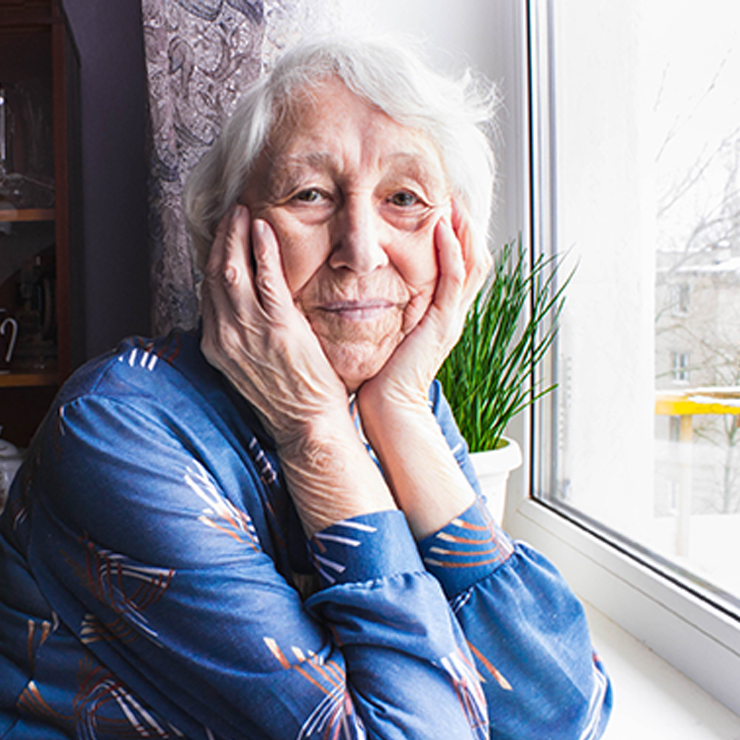 A key focus in supporting healthy aging in senior communities is helping residents maintain their independence. Frailty is a common symptom of aging that is characterized by a decline in strength, endurance and overall physiological function. These issues increase vulnerability to other chronic or acute health problems. Frailty can be caused by a combination of factors and leads to increased dependency, increased risk of falls and hospitalization, and increased health care costs.
If the team sees a resident exhibiting at least three of these five symptoms, the resident should be evaluated for frailty. Addressing these issues can improve the health and quality of life of residents in our community.
- Significant weight loss within a year
- fatigue
- Weak grip strength
- Walking pace is slow
- Low physical activity levels
Is there a link between diet and frailty?
Research has shown that the diet of older adults can significantly influence their risk of frailty. Specifically, low energy and protein intake, and deficiencies in key nutrients such as folate and vitamins C, D, and E, are associated with an increased risk of frailty in older adults. Furthermore, a diet high in ultra-processed foods, which are known to worsen inflammation, can increase the risk threefold.
Conversely, nutrition can also have a positive impact: a diet rich in protein, for example, can improve muscle mass and strength. The Mediterranean diet, rich in fruits, vegetables, legumes and olive oil, is also thought to help treat the disease. The Mediterranean diet is rich in antioxidants such as beta-carotene and vitamins C and E, and residents are encouraged to consume five servings of fruits and vegetables every day (up to 10 servings a day).
Is it weakness, malnutrition, or both?
Malnutrition refers to a condition in which energy and nutrient intake is insufficient, excessive, or imbalanced. In some people, this can lead to frailty. Research shows that older adults who are malnourished or at risk of malnutrition are four times more likely to become frail. Currently, separate tools are used to assess malnutrition and frailty. However, a deeper understanding of how these conditions intersect can enhance care strategies for residents with both conditions.
Treating and preventing frailty
While the majority of current research shows a clear connection between nutrition and frailty, there may not be a one-size-fits-all approach to treatment or prevention. However, most experts agree that a healthy diet is a key factor. This includes:
- Adequate calories.
- Eat a balanced diet with adequate protein throughout the day.
- There is an abundance of fruits and vegetables.
- Rich in dietary fiber.
- Low in saturated fat and sugar.
 Encourage frontline dining, housekeeping, and CNA staff to be on the lookout for signs of frailty; they are the ones who interact most frequently with residents and can proactively refer patients to clinicians for intervention. Additionally, your community’s registered dietitian is an excellent resource to assess for both frailty and malnutrition. Together, the entire community team can support healthy aging and help residents maintain active, independent lifestyles.
Phyllis Famularo, DCN, RD, FAND, LDN, senior manager of nutrition services for Sodexo Seniors, has been involved in nutrition for older adults in the Northeast for over 30 years. She is a registered dietitian with a PhD in Clinical Nutrition from Rutgers University and serves on the board of directors for Dietetics in Healthcare Communities.
