

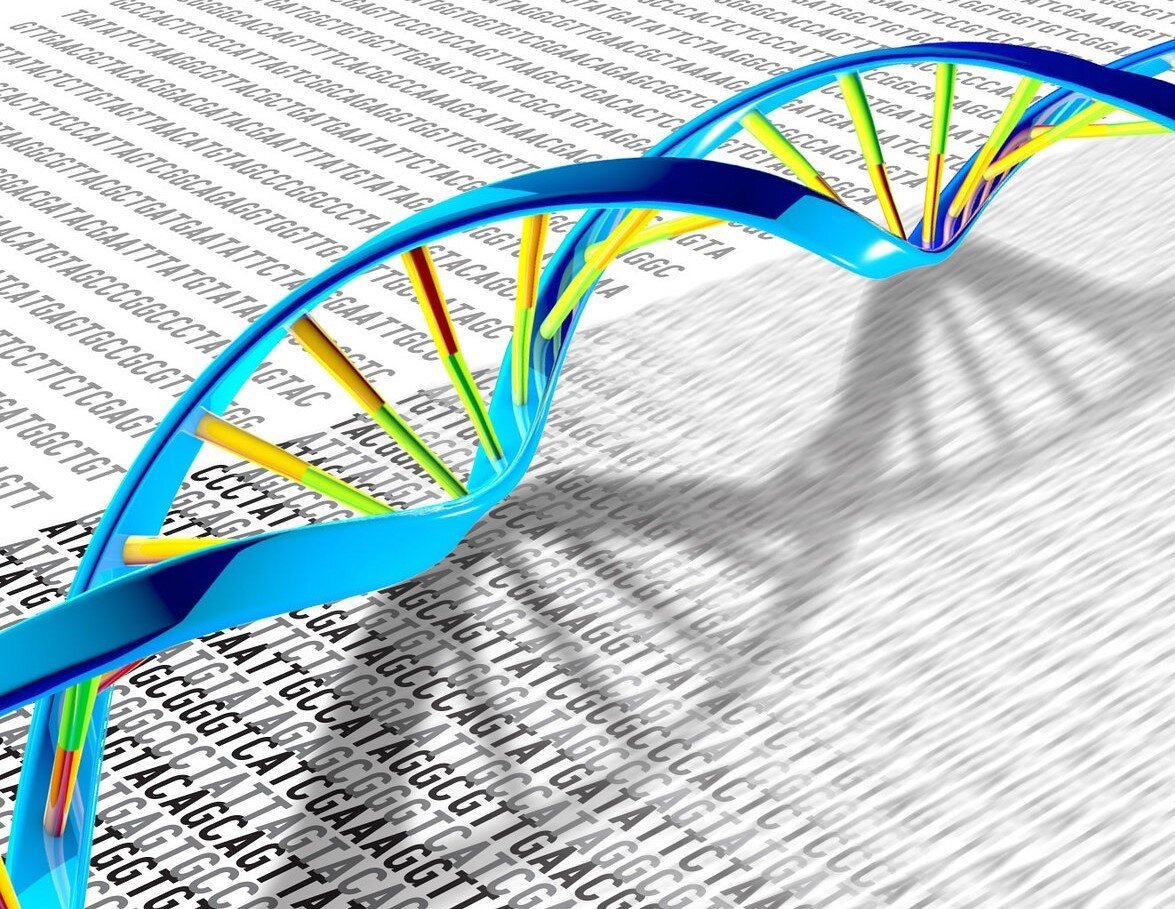
With its double helix structure, DNA can have many genetic variations and mutations. Credit: NIH
According to Marcus Cook, professor and chair of the Department of Molecular Biosciences at the University of South Florida and co-corresponding author of the study, recent research indicates there may be a more effective way to treat melanoma by using ascorbic acid (vitamin C) to increase DNA damage in cancer cells, causing them to die.
The findings have been published in the journal Free Radical Biology and Medicine.
The multidisciplinary research team found that melanoma cells had more DNA damage and lower antioxidant defenses than normal skin cells. When treated with hydrogen peroxide and vitamin C, melanoma cells had more DNA damage and higher rates of cell death, while normal cells were protected. Additionally, the results showed that vitamin C increased the effectiveness of elesclomol, an existing melanoma treatment.
Cook, who also leads the oxidative stress group, said the effects of vitamin C on DNA and skin cells have been studied for many years, which led to the current research.
“We have been studying the effects of antioxidants since the late 1990s and have been fascinated by vitamin C’s ability to act as a pro-oxidant (causing DNA damage) and antioxidant (preventing DNA damage) and its apparent ability to help regulate DNA repair. This, combined with a long-standing interest in skin biology/solar UV radiation, also dating back to the 1990s, led to this work,” Cook said.
“Our results show that melanoma cells have higher levels of DNA damage than keratinocytes (the main cells found in the epidermis), and that this damage is proportional to the amount of melanin in the melanocytes – the more melanin, the greater the damage,” he explained. “This was also seen in cells that had not been exposed to sun, suggesting that melanin in the cells may be damaging to melanoma cells.”
“Our studies have revealed that the levels of potentially harmful reactive substances are proportional to the amount of melanin, while the levels of protective antioxidants are inversely proportional. With all this in mind, we have discovered that we can exploit this situation to selectively kill melanoma cells,” he added.
Cook acknowledges that further clinical studies and trials will help strengthen these findings and move us towards incorporating ascorbic acid as an adjunct to treatment.
“Because ascorbic acid is already well studied and known to be well tolerated, I think it may be feasible for clinicians to add ascorbic acid, which acts by inducing DNA damage like elesclomol, to existing treatments to enhance existing approaches,” he said. “The biomarkers of oxidative stress that we use in my oxidative stress group lab are particularly well suited to clinical studies, and could support in vivo (whole living cells) biomonitoring of patients once clinical studies are underway.”
For more information:
Hishyar A. Najeeb et al. “Redox modulation of oxidatively induced DNA damage by ascorbate promotes in vitro and ex-vivo DNA damage formation and cell death in melanoma cells.” Free Radical Biology and Medicine (2024). DOI: 10.1016/j.freeradbiomed.2024.01.019
Provided by University of South Florida
Quote: New Study Shows Vitamin C Promotes DNA Damage and Cell Death in Melanoma Cells (June 3, 2024) Retrieved June 3, 2024 from https://medicalxpress.com/news/2024-06-vitamin-boosts-dna-cell-death.html
This document is subject to copyright. It may not be reproduced without written permission, except for fair dealing for the purposes of personal study or research. The content is provided for informational purposes only.
