

Researchers from the University of California, San Diego found that the chromosomal microdeletion 22q11.2del significantly increases the risk of spina bifida and identified the CRKL gene as a key contributing factor, also highlighting the role of folate in reducing the risk and severity of the disease.
Researchers at the University of California, San Diego School of Medicine have identified a chromosomal microdeletion and suggest that a common vitamin may help prevent the disease.
Researchers at the University of California, San Diego School of Medicine have conducted a study that provides new insight into the causes of spina bifida, the most common structural disorder of the human nervous system.
A study led by a research group led by Keng-Ioy Vuong, PhD, and Sangmoon Lee, MD, PhD, in the laboratory of Joseph G. Gleason, MD, PhD, of the Department of Neurosciences and the Rady Pediatric Genomic Medicine Institute at the University of California, San Diego School of Medicine, has for the first time identified an association between spina bifida and a common chromosomal microdeletion in humans. The study demonstrates that individuals with this chromosomal deletion, which occurs in 1 in 2,500 live births, are at more than 10 times higher risk of spina bifida than the general population.
The study also highlights the potential role of common food supplements in reducing the risk of spina bifida. The findings were recently published in the journal Neurology. Science.
The role of chromosomal deletions
Gleason, the Rady Professor in the Department of Neuroscience and director of Neuroscience at the Rady Pediatric Genomic Medicine Institute, is the senior author of the study. Spina bifida, also known as myelomeningocele, affects about one in every 3,000 newborns, he explained. Unfortunately, the causes are largely unknown. Several mutations have been reported, but they explain only a small portion of the risk, Gleason added.
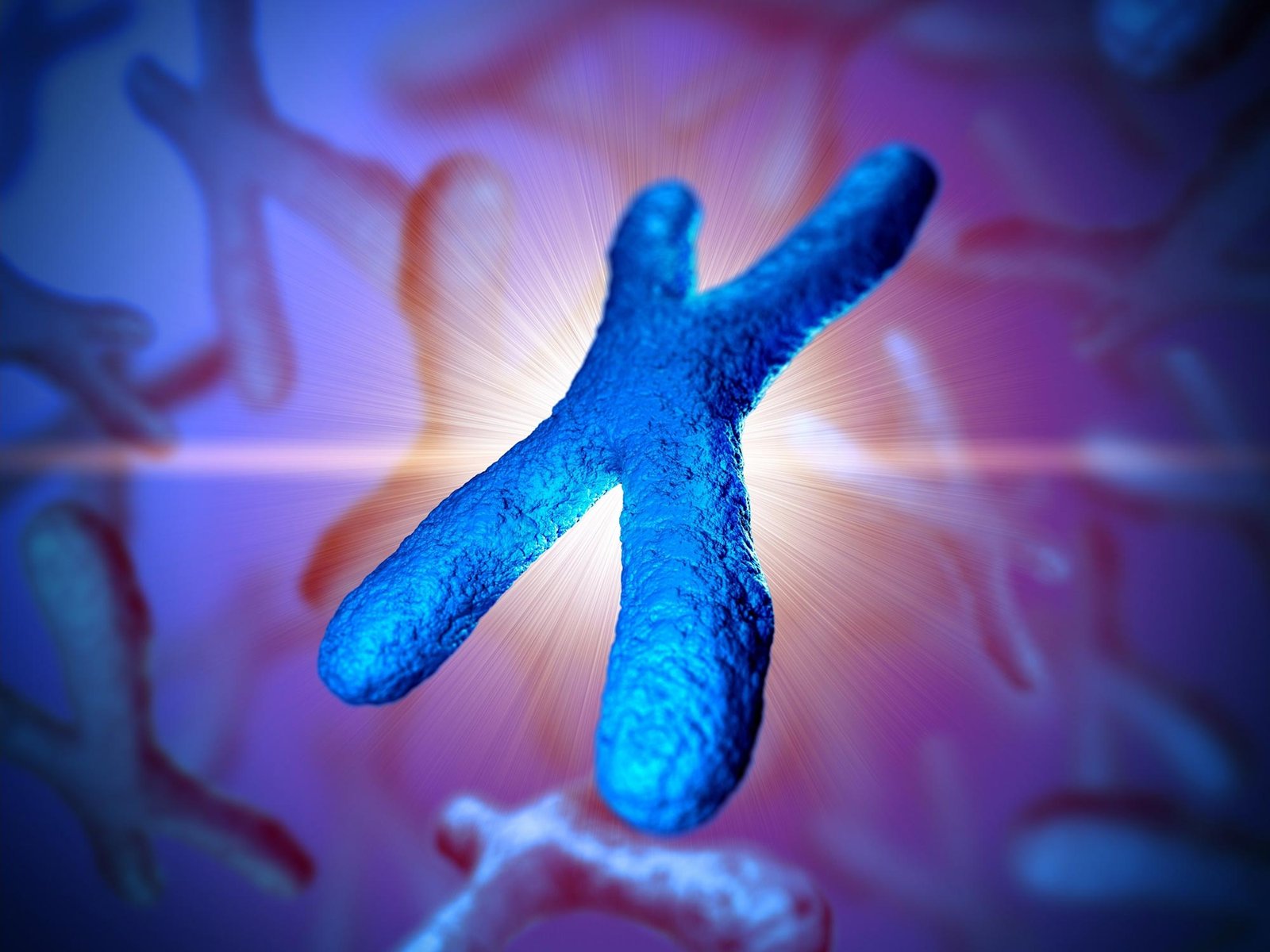
To understand the genetic causes of the disease, Gleason’s UC San Diego lab joined with colleagues around the world to form the Spina Bifida Sequencing Consortium in 2015. The consortium began looking at small deletions on chromosome 22. A chromosomal microdeletion is when several genes within a chromosome are missing. The group’s target condition is known as 22q11.2del, which has been implicated in many other diseases. They began looking for 22q11.2del in patients with spina bifida.
“All of the patients we recruited had the most severe forms of spina bifida, and all underwent best-practice comprehensive genomic sequencing,” Gleason said. “Six of 715 patients were found to have 22q11.2del. While this may not seem like a high percentage, it is by far the most common single gene mutation that can cause spina bifida.”

Co-authors of the Science paper reporting the link between chromosomal microdeletions and spina bifida include (from left) Joseph Gleason and Ken Ioy “Harry” Vuong, both of the Department of Neurosciences at UC San Diego School of Medicine and the Rady Pediatric Genomic Medicine Institute. Photo courtesy of UC San Diego School of Health Sciences.
Gleason further noted that they identified eight additional spina bifida patients with the common 22q11.2 deletion from a cohort of about 1,500 people who were recruited because of the presence of this deletion.
The researchers then narrowed down the many genes responsible for the 22q11.2 deletion to one, known as CRKL. Gleason explained that there are nine other genes in this chromosomal region that could be the cause. As the team began their elimination process, “knocking out” genes one by one in mice, Gleason said, they got a lucky email from Dolores Lam of Weill Cornell Medical College, who had noticed that some of her mice in captivity lacked Crkl and exhibited spina bifida. (Vuong said researchers use all-caps to write genes in humans, but lowercase for mice.) Lam’s group learned about the Gleason lab’s project through the Spina Bifida Association.
“This discovery really got us excited because it meant that disruption of CRKL might be sufficient for spina bifida,” said Vuong, co-first author of the study. “We deleted the Crkl gene in mice ourselves and saw that some of the mice developed neural tube defects, including spina bifida.” Most of the other genes in the 22q11.2 deletion have since been ruled out, he added.
The role of folic acid
Next they found that folic acid acid May regulate CRKL-mediated spina bifida. Fong noted that previous studies in humans have demonstrated that supplementing with folic acid (also known as vitamin B-9) before pregnancy reduces the incidence of spina bifida and other neural tube defects by up to 30 to 50 percent, but the mechanism is still mysterious.
“When we deprived Crkl mutant female mice of folic acid in their diet, many of their offspring had neural tube defects, and the severity of these defects increased dramatically,” Vuong explained. “This suggests that consuming folic acid during pregnancy may reduce not only the risk but also the severity of neural tube defects in their offspring.”
“We hope that our findings will help the research community better understand the causes of neural tube defects, particularly those resulting from common genetic findings like 22q11.2 deletions,” Gleason said, “and we hope that our findings can contribute to healthy pregnancies, improved women’s health, and improved outcomes for children.”
Reference: “Risk of meningomyelocele mediated by common 22q11.2 deletions”, Keng Ioi Vong, Sangmoon Lee, Kit Sing Au, T. Blaine Crowley, Valeria Capra, Jeremiah Martino, Meade Haller, Camila Araújo, Hélio R. Machado, Renee George, Bryn Gerding, Kiely N. James, Valentina Stanley, Nan Jiang, Kameron Alu, Naomi Meave, Anna S. Nidhiry, Fiza Jiwani, Isaac Tang, Ashna Nisal, Ishani Jhamb, Arzoo Patel, Aakash Patel, Jennifer McEvoy-Venneri, Chelsea Barrows, Celina Shen, Yoo-Jin Ha, Robyn Howarth, Madison Strain, Allison Elizabeth Ashley-Koch, Matloob Azam, Sara Mumtaz, Gyang Markus Bot, Richard H. Finnell, Zoha Kibar, Ahmed I. Marwan, Gia Melikishvili, Hal S. Meltzer, Osvaldo M. Mutchinick, David A. Stevenson, Henry J. Mroczkowski, Betsy Ostrander, Erica Schindewolf, Julie Moldenhauer, Elaine H. Zackai, Beverly S. Emanuel, Sixto Garcia-Minaur, Beata A. Nowakowska, Roger E. Stevenson, Maha S. Zaki, Hope Northrup, Hanna K. McNamara, Kimberly A. Aldinger, Ian G. Phelps, Mei Deng, Ian A. Glass, Spina Bifida Sequencing Consortium‡, Bernice Morrow, Donna M. McDonald-McGinn, Simone Sanna-Cherchi, Dolores J. Lamb, Joseph G. Gleeson, May 2, 2024; Science.
DOI: 10.1126/science.adl1624
Co-authors (in addition to Joseph G. Gleeson Sangmoon Lee and Keng Ioi Vong) from the Department of Neurosciences and the Rady Pediatric Genomic Medicine Institute at the University of San Diego School of Medicine are Renee George, Bryn Gerding, Kiely N. James, Valentina Stanley, Nan Jiang, Kameron Alu, Naomi Meave, Fiza Jiwani, Isaac Tang, Ashna Nisal, Ishani Jhamb, Arzoo Patel, Aakash Patel, Jennifer McEvoy-Venneri, Chelsea Barrows, Celina Shen, Yoo-Jin Ha and Robyn Howarth. Additional co-authors include Hal S. Meltzer from the Department of Neurosurgery at UC San Diego Rady Children’s Hospital and Anna S. Nidhiry from the Rady Pediatric Genomic Medicine Institute and the Spina Bifida Sequencing Consortium.
This work was supported by the Center for Genetic Disease Research grant HHSN268201700006I, the Yale Center for Genomic Analysis, the Broad Institute, UC Irvine Genomic Core, UC San Diego Institute of Genomic Medicine, UC San Diego Transgenic Core, UC San Diego Microscopy Core grant P30 NS047101, and Columbia University Microscopy Core grant S10 OD032447-01. Additional support was provided by: National Institutes of Healthincluding the National Institute of Diabetes and Digestive and Kidney Diseases, and through support from the Howard Hughes Medical Institute and the Radys Pediatric Genomic Medicine Institute to Joseph G. Gleason.
