

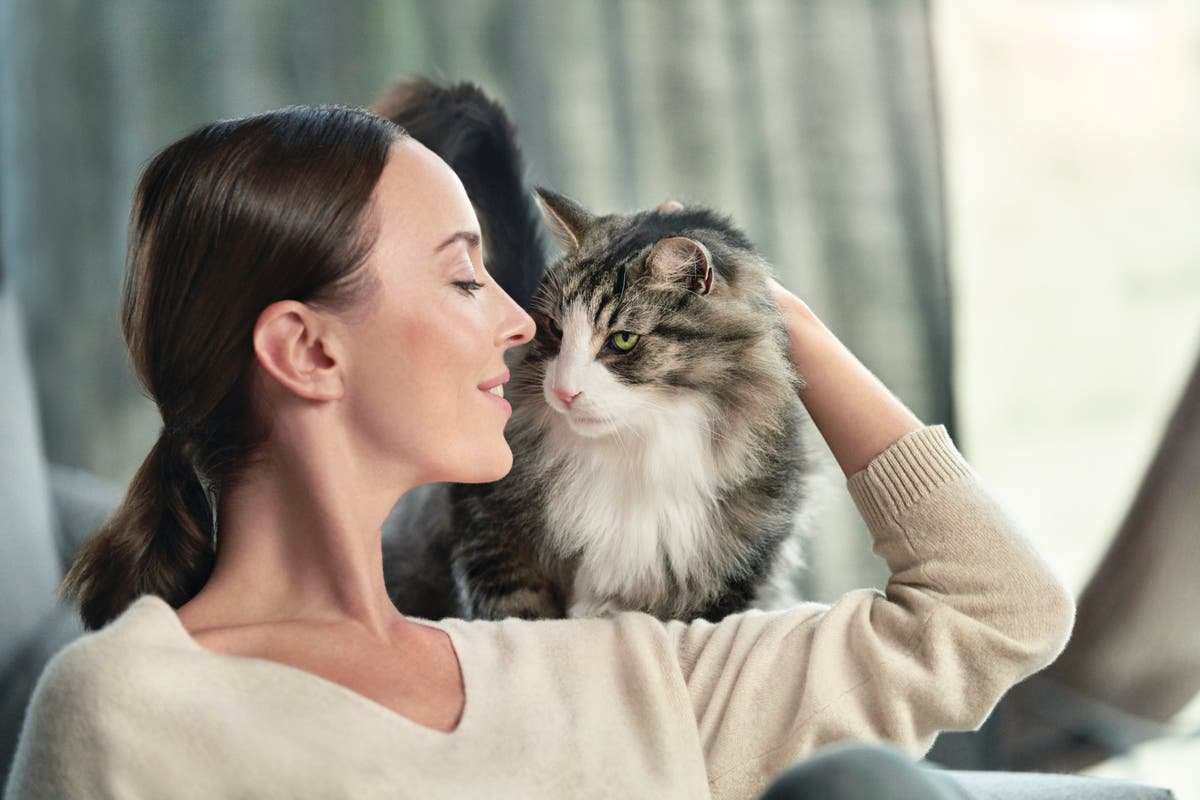
Pet allergies are caused by certain proteins found in pets’ saliva and urine and affect 10-20% of the world’s population, causing symptoms such as coughing, sneezing and skin rashes.
Is it fair for someone with allergies to miss out on the fun, love and companionship that a furry family member can bring? What about someone who moves into or regularly visits a household that already has pets? Fortunately, advances in pet nutrition may mean that someone with a pet allergy can consider getting a new pet or enjoy spending time with an existing one.

Understanding Pet Allergens
It is a common misconception that people with pet allergies are also allergic to pet hair. However, the hair itself is not the allergen. Allergens are proteins found primarily in pets’ saliva, urine and oil glands in their skin. Pet grooming and toileting habits, as well as the normal shedding of dead skin cells, coat pet hair with these proteins, spreading the allergens into the environment. In cats, the main allergen is the protein Fel d 1.
Understanding the real allergens associated with pet allergies explains why choosing a cat that sheds less doesn’t necessarily improve symptoms. Although the term is commonly used, there is no such thing as a “hypoallergenic cat.” All cats produce Fel d 1 to varying degrees. While less pet hair in the home is a good thing from an allergy perspective, you will still be exposed to allergens through contact with cats and soft furniture and surfaces where they have been. These proteins are difficult to avoid because they are found in dead skin cells and hair that floats in the air.
The impact of allergies on pet owners
Symptoms associated with pet allergies include coughing, sneezing, wheezing, skin rashes, hives, and in severe cases, anaphylaxis. Measures such as regular vacuuming, washing upholstery, and using air purifiers can help reduce the amount of allergens in your home.
But keeping symptoms under control can be a constant challenge when living with a cat. Many people with allergies choose not to have cats, but the combination of friends and family, new relationships, and even living arrangements can make avoiding them completely difficult. Those who choose to keep cats despite allergies often need to limit contact with their pets to reduce symptoms, but despite their best efforts, they experience skin rashes and breathing difficulties.
Nutritional Approaches to Reducing Pet Allergens
Changing your cat’s diet to keep their skin as healthy as possible can also help reduce your pet’s allergens, especially since when your pet scratches, more cells are shed from inflamed or irritated skin. Omega-3 fatty acids are natural anti-inflammatory agents that help keep the skin barrier healthy, reducing irritation, scratching and dandruff.
Another nutritional approach is to target allergen proteins so they don’t trigger an allergic reaction. In this case, try Purina PRO PLAN LiveClear cat food, the first and only cat food that helps manage allergens in your pet. When your cat eats LiveClear, specific proteins from the egg bind to Fel d1 and safely neutralize it.
Neutralizing allergens in this way reduces the risk of exposure to active allergens for cat allergy sufferers. Feeding LiveClear daily reduces allergens on a cat’s hair by an average of 47% after three weeks.* This nutritional approach of making LiveClear a daily staple for your cat, combined with other allergen management methods, allows allergic cat owners to spend more enjoyable time with their cats, without worry or restrictions.
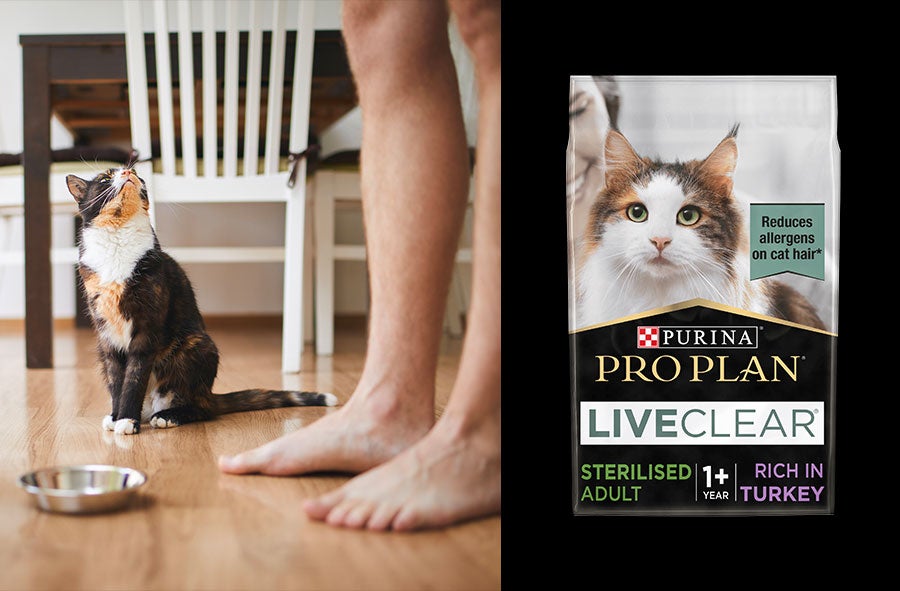
Pro Plan Live Clear
The world’s first and only cat allergy-reducing food
After 10 years of research, Purina discovered a nutritional breakthrough by identifying specific egg proteins that safely neutralize Fel d1, the primary cat hair allergen. LIVECLEAR is a revolutionary cat food proven to reduce cat hair and dander allergens by an average of 47% starting just three weeks of daily feeding*.
click here View details of LIVECLEAR
