

Fatigue, depression and anemia are often blamed on inadequate iron intake, but they can also be caused by a vitamin B12 deficiency. Vitamin B12 (cobalamin) is needed for cellular energy production, brain function and the production of DNA and proteins. A long-term deficiency can cause permanent damage to the central nervous system, so it’s important to eat plenty of foods high in vitamin B12 regularly.
Vitamin B12 is produced by gut bacteria as a metabolic by-product when certain foods are fermented, but this production is insufficient to meet our needs, so it must be obtained from the diet. Vegans and vegetarians are particularly vulnerable to deficiency, as vitamin B12 is only found in animal foods. However, some foods are commonly fortified with vitamin B12, including breakfast cereals, milk, yogurt, nutritional yeast, and dairy alternatives such as soy milk.
The recommended daily intake of Vitamin B12 is 2.4 μg, and excess Vitamin B12 can be stored in the liver so that you can tap into those stores on days when you don’t get what you need. To keep you going and getting the energy you need, be sure to top off and make room in your diet for the following foods that contain Vitamin B12:
clams
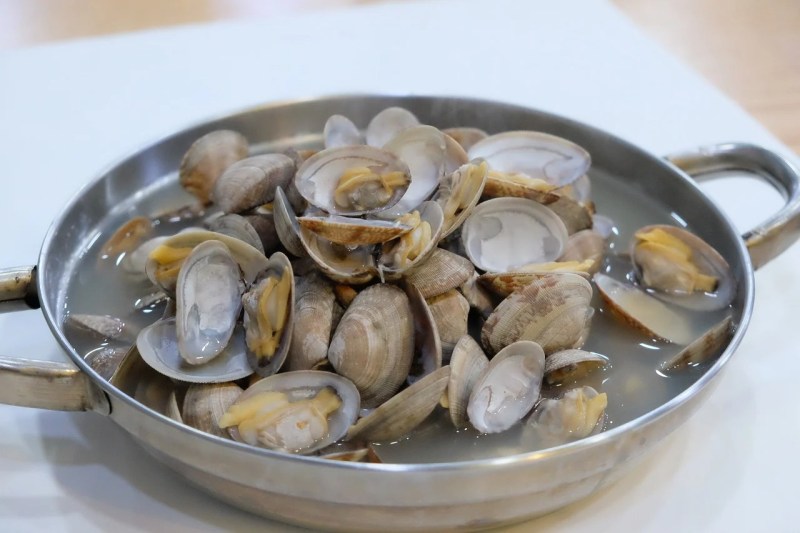
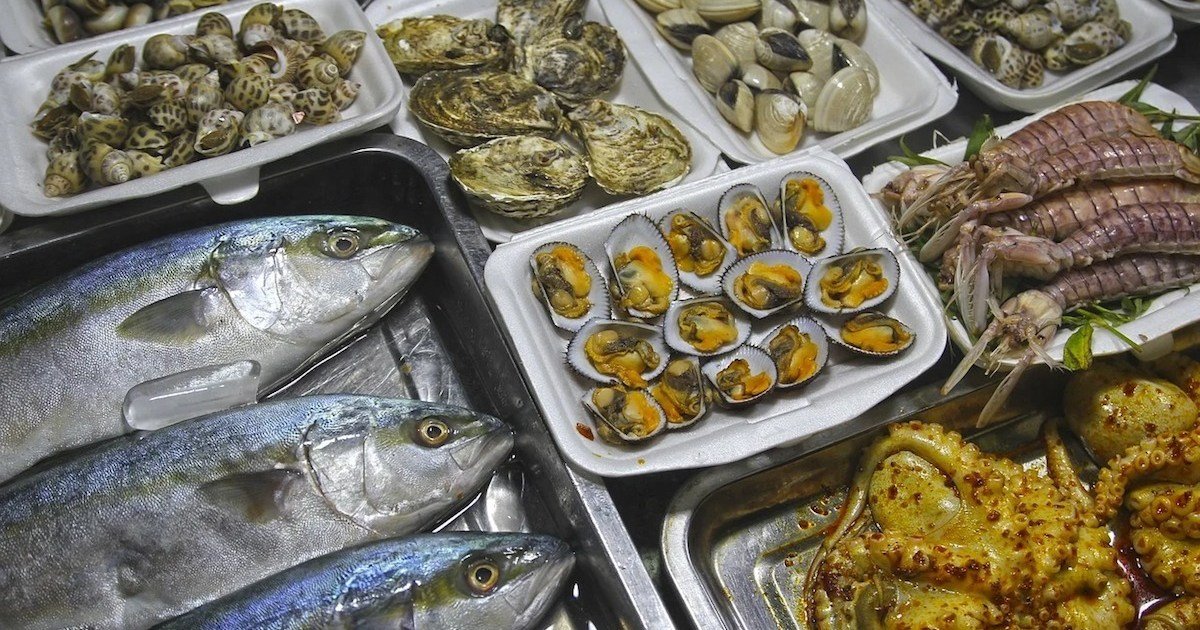
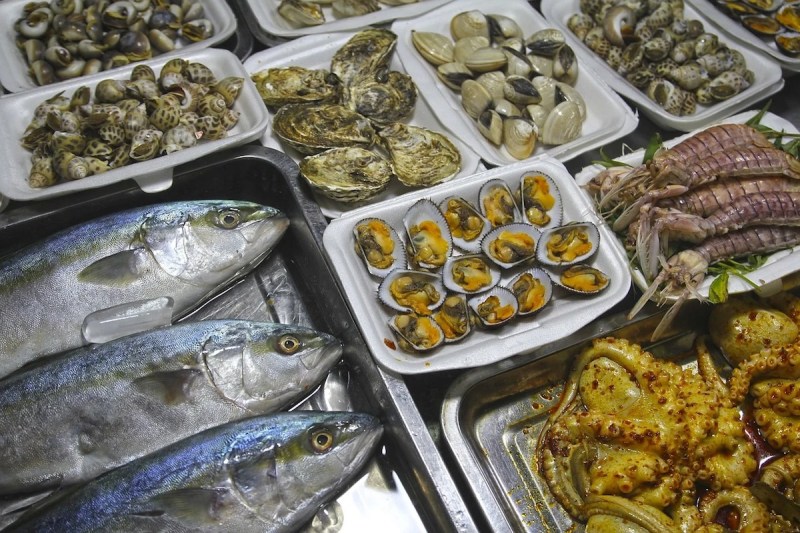
Shellfish are packed with nutrients like protein and zinc that are essential for immune health. They’re also one of the best sources of vitamin B12. For example, a 3-ounce serving of clams contains a whopping 84.1 μg of vitamin B12, which is 3,502% of the recommended daily value (DV). Oysters, mussels, and scallops are also good sources of vitamin B12, providing 24.5 μg (1,020% of the DV), 20.4 μg (850% of the DV), and 1.8 μg (76% of the DV) per 3-ounce serving, respectively.
To put shellfish into perspective — 3 ounces is roughly the same as three oysters, five mussels, or 10 small scallops — this gives you an idea of how powerful the vitamin B12 found in shellfish is.
Beef liver
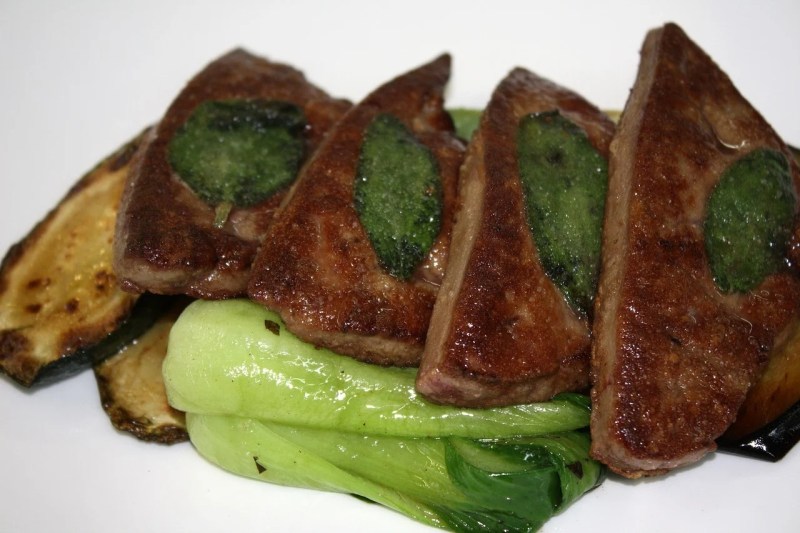
Getting large numbers of people to eat liver requires some convincing, but its nutritional profile makes a strong case: liver is extremely rich in nutrients such as iron, vitamin A, selenium and copper, and is also rich in vitamin B12, as excess vitamin B12 is stored in the liver.
For example, 3.5 ounces of lamb liver contains an astounding 85.7 μg, which is 3,571% of the recommended daily intake. Beef and veal liver follow closely, meeting the recommended daily intake by over 3,000%. Kidneys are also a great choice for meeting your vitamin B12 needs.
Fortified breakfast cereal
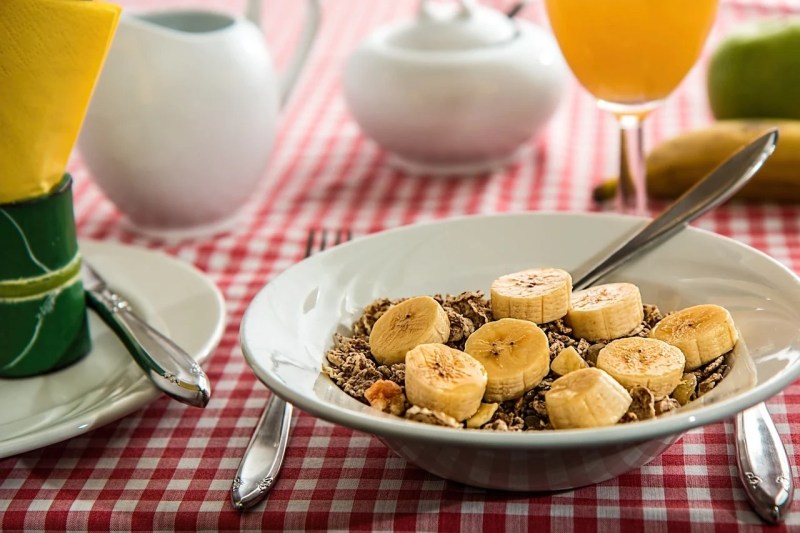
Vegans and vegetarians often get their vitamin B12 from supplements, but healthy fortified breakfast cereals are also an option. Depending on the cereal, you may meet (or even exceed) your vitamin B12 needs by the time you leave for work in the morning. Pairing your cereal with fortified or soy milk can boost your intake even further.
The amount of vitamin B12 in cereals varies depending on the type of cereal. Topping the list of cereals highest in vitamin B12 are Kellogg’s All-Bran Complete Wheat Flakes, Kellogg’s Special K Low Fat Granola, Kellogg’s Special K, General Mills Whole Grain Total, General Mills Multigrain Cheerios, and Kashi Heart to Heart Oat Flakes. Many of these cereals provide 100% of the DV of vitamin B12 per serving.
Milk and other dairy products
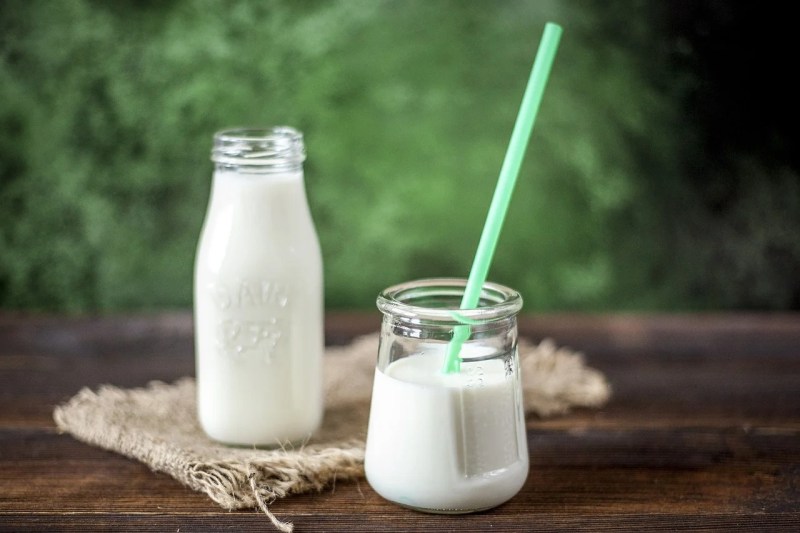
Milk and other dairy products are also good sources of natural vitamin B12. An 8-ounce serving of low-fat milk contains 1.3 μg of vitamin B12 (54% of the DV). Whole milk contains slightly less. Nonfat plain yogurt and low-fat plain yogurt contain about 60% and 40% of the DV, respectively, per cup.
If you like cheese, choose Swiss, cheddar, and mozzarella, as these contain the most vitamin B12. Cottage cheese is also a good source, with 1/2 cup providing about 22% of your recommended daily intake. Milk and dairy products are also good sources of tryptophan, so having a glass of warm milk before bed can help you get a restful sleep.
Tuna
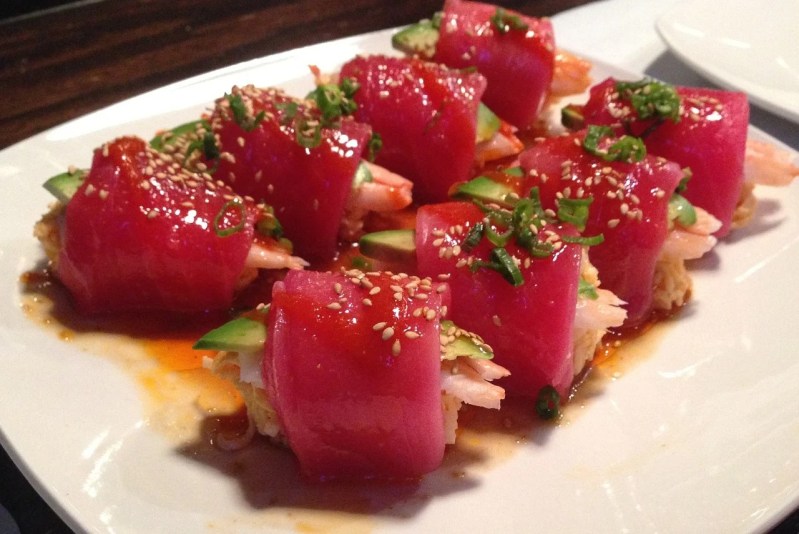
Tuna is a go-to protein source and convenient lunch option for many people, and it actually provides a great source of energizing vitamin B12 while also providing some lean protein. Whether you love tuna sushi or a meaty tuna steak, one 6-ounce fillet contains 18.5 μg (771% of the DV) of vitamin B12.
Tuna is also rich in biotin, an essential nutrient for hair and nails, and omega-3 fatty acids, which reduce inflammation and promote heart health. Other oily fish are also good sources of vitamin B12; mackerel, for example, has about 1.5 times more vitamin B12 than tuna. Herring, canned sardines, trout and sea bream are also good choices.
egg
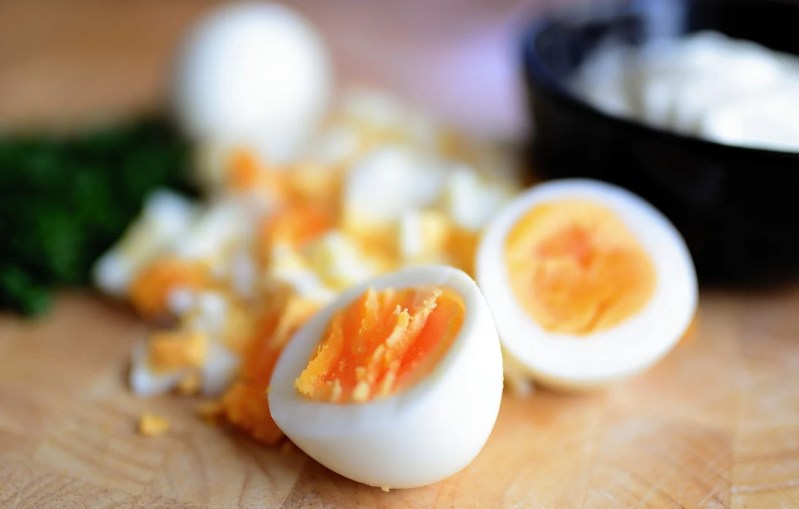
Eggs are nature’s little packages packed with important nutrients. Eggs are a complete source of protein and contain all the essential amino acids. Egg yolks are also rich in vitamin D, a fat-soluble vitamin that plays an important role in bone health, and iron, which helps carry oxygen in the blood to all the cells and tissues in your body.
Egg yolks are rich in B vitamins, especially biotin, with each whole egg providing 10 mcg of biotin (33% of the recommended daily intake) and vitamin B12. Each egg provides 0.6 μg (23% of the recommended daily intake) of this energy-giving nutrient. One cup of scrambled eggs provides 70% of the recommended daily intake.
Nutritional Yeast

Nutritional yeast is a fortified product used in many vegan cheeses and non-dairy alternatives, providing many vitamins, minerals and essential amino acids. It is an edible yeast like brewer’s yeast, but is not used as a leavening agent in bread or beer.
The vitamin B12 in nutritional yeast is synthetic, like supplements, and not derived from animal products. That said, it’s a good option for vegans. Two tablespoons of nutritional yeast provides 17.6 μg (733% of the recommended daily intake). If you’re not sure how to use it, think of it as a Parmesan cheese substitute. Sprinkle it on salads, pasta dishes, soups, or popcorn.
beef

Whether you’re a burger lover, steak or short ribs, you’ll be happy to know that beef is one of the best food sources of vitamin B12. A 6-ounce skirt steak contains 12.8 μg of vitamin B12, which is 533 percent of your recommended daily intake. While your vitamin B12 needs won’t be as high if you choose beef rump, short ribs or burgers, you’ll still get nearly 100 percent of your recommended daily intake with each of these choices.
Other lean meats, like buffalo and lamb shank, are also high in vitamin B12. For maximum nutritional value, choose lean meats. Whichever meat you choose, you’ll get a ton of iron, which is needed to transport oxygen throughout your body.
King crab
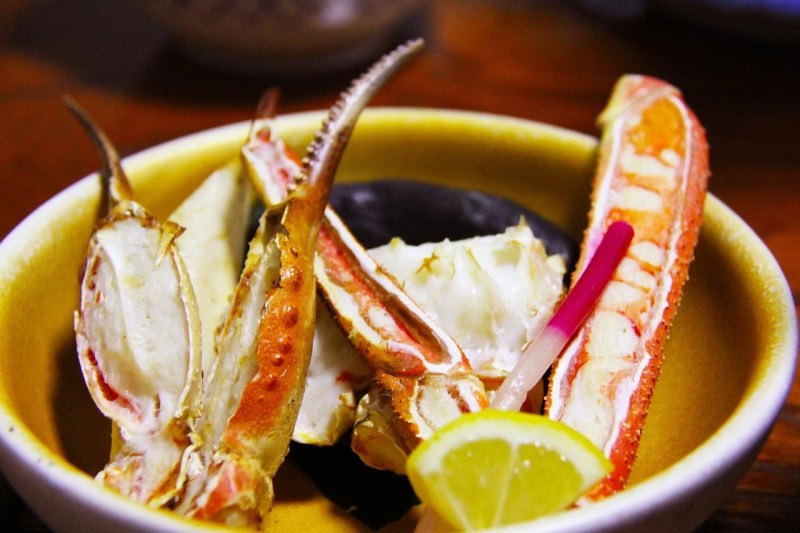
In addition to shellfish and certain types of oily fish, other seafood also contain large amounts of vitamin B12. One king crab leg contains 15.4 μg, which is 642% of the recommended daily intake, and 3 ounces of Dungeness crab contains 8.8 μg. Crayfish, shrimp, and lobster are also good sources of vitamin B12, along with other nutrients such as selenium and omega-3 fatty acids.
Fortified soy milk
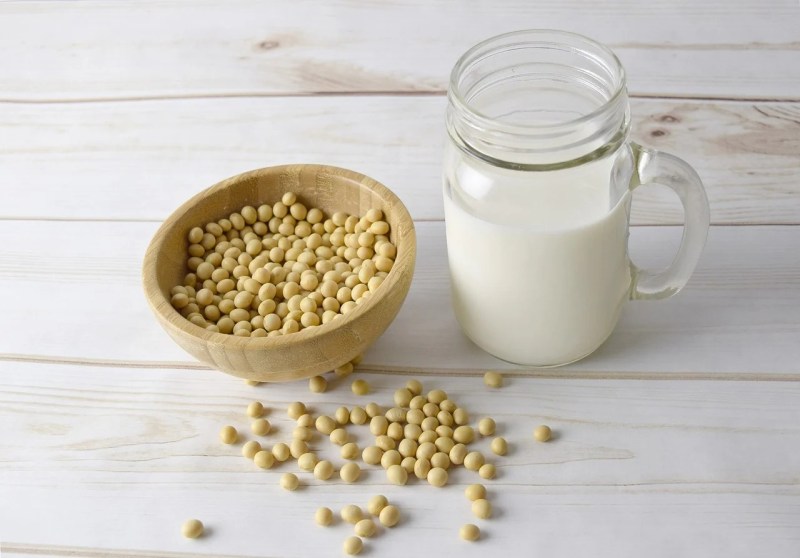
Soy milk does not naturally contain vitamin B12, but most manufacturers fortify it with this energy-producing vitamin to help people who follow a plant-based diet meet their nutritional needs. An 8-ounce glass of fortified soy milk typically contains about 3 μg (125% DV) of vitamin B12. Other non-dairy milks, such as almond and coconut, are usually fortified to similar amounts. Rice milk tends to be lower, about half as much, at 1.5 μg per 8-ounce glass.
Tofu is also a great choice for vegans, as it is often fortified with vitamin B12, providing about 3.3 μg (137% DV) per cup. As a nutritious legume, soybeans are also rich in antioxidants and phytonutrients, making them an excellent food for prostate health.
sardine
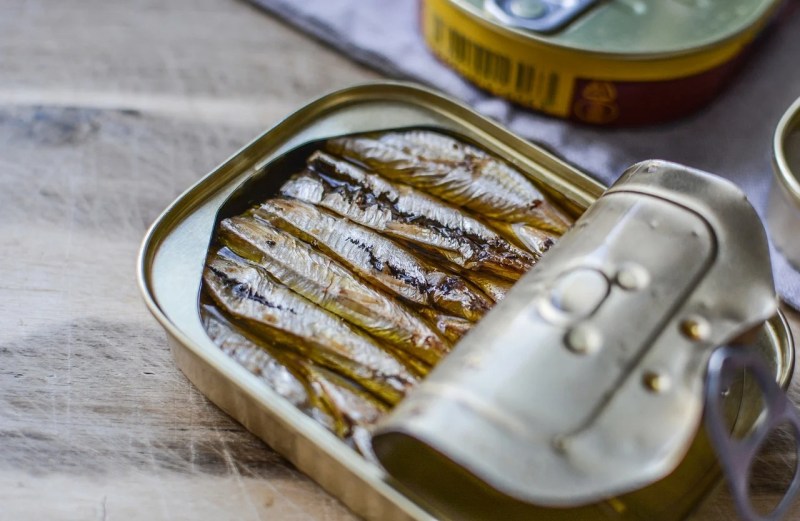
Sardines are nutritious little foods that are rich in many essential nutrients, including calcium, omega-3 fatty acids, and vitamin B12. One cup of drained sardines contains 13.3 μg of vitamin B12, which is 554% of the recommended daily intake. You can buy canned sardines in oil, water, or a variety of sauces, or fresh. Fresh sardines are great on the grill or steamed, or enjoyed in salads or on savory toast.
chicken

Many of us turn to chicken as a good source of protein, but it also provides a boost of vitamin B12. While chicken isn’t as high in vitamin B12 as the other foods on this list, one cup of roasted chicken breast provides the recommended daily intake of 6.14 μg of vitamin B12.
However, chicken does have the advantage of being lower in saturated fat than other meats, such as certain cuts of beef, and is a good source of lean protein, which can help keep your cholesterol in check. Another benefit of chicken is that it can be prepared in a variety of ways, so whether it’s grilled, roasted or baked, it’s a great source of vitamin B12.
Editor’s Recommendation
