

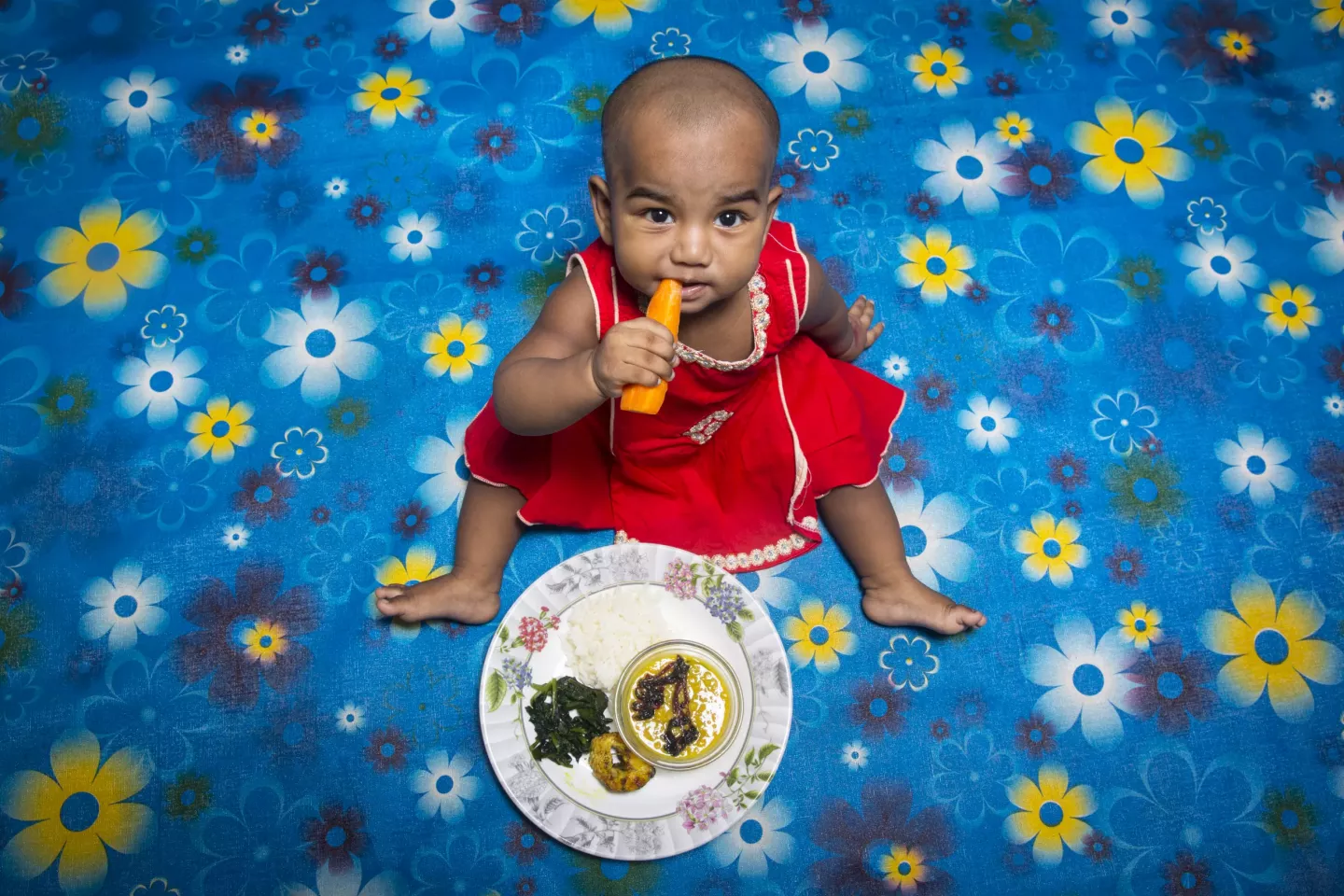
Bangkok, June 6, 2024 Lack of a nutritious and diverse diet is denying 59 million (45 percent) young children in East Asia and the Pacific the opportunity to achieve optimal growth and development, according to a new UNICEF report released today.
Child Food Poverty: Early Childhood Nutritional Deficiencies It examines the prevalence, impacts and causes of food insecurity among youth across nearly 100 countries and different income groups around the world.
The report classifies children as food poor if they consume fewer than five of the eight recommended food groups, and as severely food poor if they consume two or fewer food groups.
“Children who suffer from food poverty are denied their fundamental right to a nutritious diet and a life of dignity.”Myo Zin Nyunt, UNICEF Deputy Regional Director for East Asia and the Pacific, said: “They represent the world’s failure to provide affordable, nutritious and diverse foods and diets to young children and their families.”.
Nearly two-thirds of the total number of severely food poor children are concentrated in just 20 countries, including China, Indonesia, Myanmar and the Philippines. In East Asia and the Pacific, around 17 million children (13 percent) are severely food poor.
Several factors contribute to the child food poverty crisis around the world, including food systems that fail to provide nutritious, safe and accessible food options for children, families that cannot afford nutritious foods, and parents who struggle to develop and maintain good child-feeding habits.
Increasing frequency of climate shocks – such as extreme heat, droughts, floods, loss of biodiversity and damage to water, air and soil – pose further threats to the quantity, diversity and quality of food available to children and families and are likely to further increase food poverty in East Asia and the Pacific and beyond.
Poor dietary quality is the leading cause of child malnutrition in the East Asia and Pacific region, with nearly one in seven (14%) children under the age of five being stunted and more than half suffering from micronutrient deficiencies, raising concerns about child overweight and obesity.
A recent UNICEF study found that many complementary foods sold in Southeast Asia contain excessive amounts of sugar and salt, despite being marketed for young children. An alarmingly high proportion of young children are consuming these unhealthy foods and drinks, excluding more nutritious, healthier foods from their daily diets.
At the same time, UNICEF is supporting governments in East Asia and the Pacific to address the causes of child food poverty and dietary deficiencies, including in the Philippines and Thailand, where legislation is underway to restrict the marketing of unhealthy foods and beverages to children. Meanwhile, Timor-Leste, the Philippines, Myanmar and Papua New Guinea are stepping up nutritional focus by providing cash transfers to the most vulnerable families to help alleviate poverty and reduce the affordability of quality food. Cambodia and Vietnam are addressing declining exclusive breastfeeding rates through widespread public health campaigns and legislation banning the sale of breastmilk substitutes.
To end child food poverty, especially extreme poverty, UNICEF urgently calls on governments, development and humanitarian agencies, donor countries, civil society and the food and beverage industries to:
- Transform food systems so that nutritious, diverse and healthy foods are the most accessible, affordable and desirable choices caregivers can feed their young children.
- Improve government regulation of over-the-counter supplements, including banning added sugars and sweeteners, limiting sugar and sodium content, and banning misleading marketing and labeling.
- Leveraging health systems to provide essential nutrition services to prevent and treat early childhood malnutrition, including supporting community health and nutrition workers to advise parents and families on child feeding and care practices.
- Revitalize social protection systems and address income poverty through social transfers (cash, food and vouchers) to address the food and nutrition needs of vulnerable children and their families.
####
Notes to editors:
download Photos and B-roll and Full Report.
Classification of child food poverty
When feeding children:
- 0–2 food groups/day, severe child food poverty.
- Children who consume three to four different food groups per day are in moderate food poverty.
- If a child consumes five or more food groups per day, they are not in child food poverty.
About UNICEF
UNICEF works in the world’s toughest places to reach the world’s most disadvantaged children. In more than 190 countries and territories, we work for every child, everywhere, to build a better world for everyone. For more information about UNICEF and our work in East Asia and the Pacific, visit www.unicef.org/eap. Follow UNICEF on Instagram, Facebook, twitter
For further information, please contact:
- Chiara Frisone, UNICEF Communications Specialist in East Asia and the Pacific, cfrisone@unicef.org +66 626 925 897
