

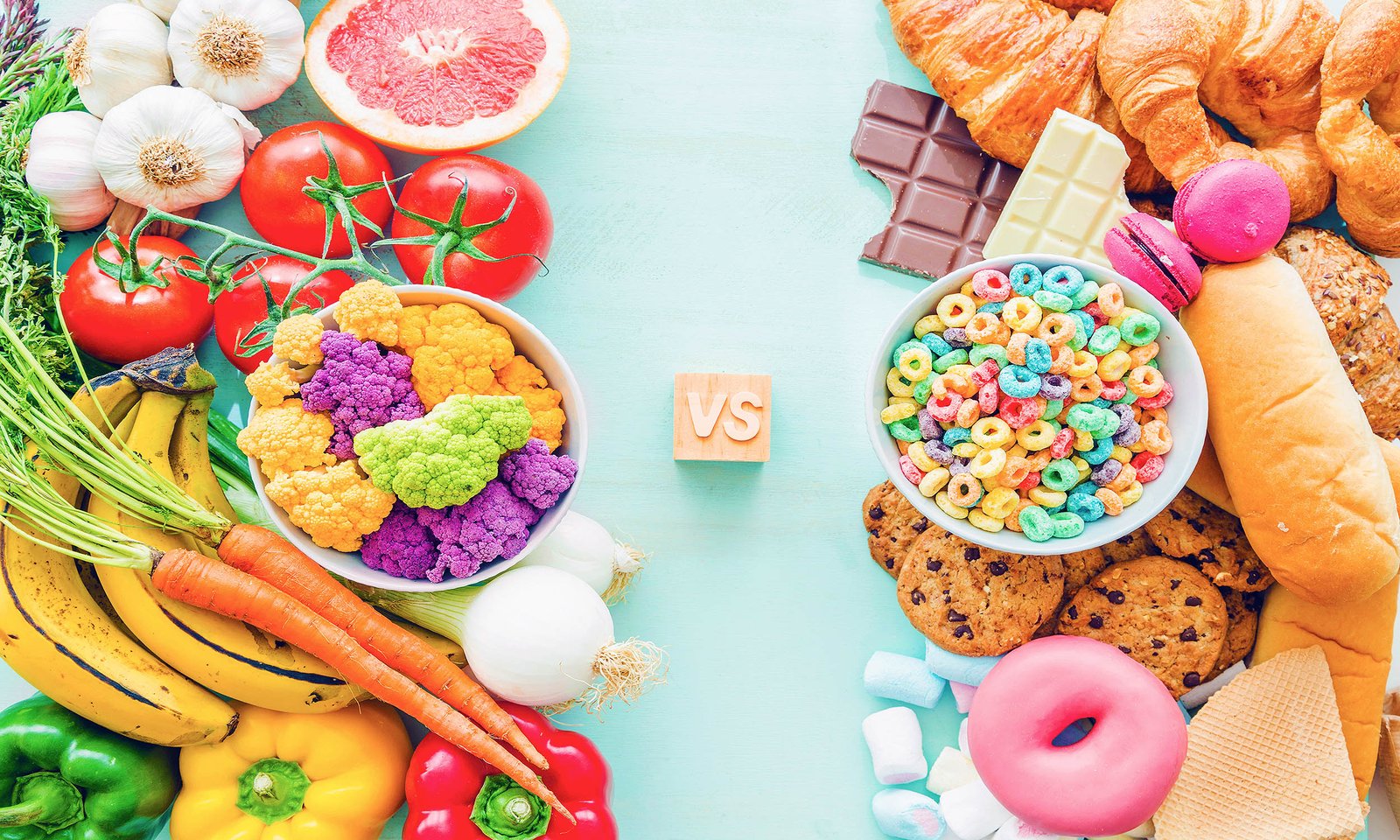
Recent research has brought new insights into the debate about ultra-processed and minimally processed foods. It suggests that we rethink our approach: instead of looking at how processed the foods we eat are, we should focus on the types of foods we eat.
This enlightening study comes from the highly acclaimed USDA-ARS Grand Forks Human Nutrition Research Center.
A team of dedicated scientists led by Dr. Julie Hess worked hard to challenge current thinking about food processing.
Minimally vs. Ultra-Processed Foods
The researchers compared two diets that reflect typical Western consumption.
One consisted of minimally processed foods and the other consisted of ultra-processed foods as defined by the NOVA classification system.
Surprisingly, the minimally processed meals were more than twice as expensive, had a shorter shelf life, and were no more nutritious.
“This study shows that it’s possible to eat a poor-quality diet even if you choose primarily minimally processed foods,” Hess explained.
“It also shows that highly and less processed diets may be equally nutritious (or non-nutritious), but that the more processed diet may have a longer shelf life and cost less.”
Story development
Dr. Mark Messina, director of nutritional science research at Soy Nutrition Institute Global, will present these groundbreaking research findings at NUTRITION 2024.
This study is a follow-up to their previous work, which reveals that a high-quality menu that is in line with dietary guidelines may consist mainly of ultra-processed foods.
Now the scientists have turned the tables and asked: Could low-quality menus consist mainly of ‘simple’ foods?
Facing reality
The researchers created a less processed menu where 20% of calories came from ultra-processed foods, while the more processed menu where 67% of energy came from ultra-processed foods.
Both menus received a score of around 43-44 on the Healthy Eating Index, a disappointing score that indicates they don’t quite comply with the Dietary Guidelines for Americans.
The less processed diet would cost consumers $34.87 per person per day, compared with $13.53 per person per day for the more processed diet.
The average shelf life of the less and more processed menu items also differed significantly, at 35 and 120 days, respectively.
Understanding Minimally Processed Foods
Julie Hess highlighted that many nutritious packaged foods, such as unsweetened applesauce, ultra-filtered milk, liquid egg whites and certain brands of raisins and canned tomatoes, could be classified as ultra-processed.
“The results of this study indicate that building a nutritious diet requires more than considering food processing as defined by NOVA. The concepts of ‘ultra-processed’ and ‘low-processed’ foods need to be more clearly defined by the nutrition research community,” she concluded.
This study serves as a wake-up call and encourages a holistic approach to looking at the nature of the food we consume, not just considering the level of food processing, including minimally processed foods.
Implications for public health policy
The findings of this study could change public health policies and nutritional guidelines. Current advice favours minimally processed foods.
This study suggests that focusing solely on processing levels may miss the full picture of diet quality.
Public health officials may need to reconsider their recommendations: some ultra-processed foods have health benefits and offer benefits such as reduced cost and extended shelf life, and policies should encourage nutritious foods regardless of how processed they are.
Approach to Nutrition
This study highlights the need for a personalized approach to nutrition, focusing on incorporating a variety of nutritious options rather than completely avoiding ultra-processed foods.
This way you can balance your diet while taking into account your individual needs.
Consider factors like affordability, convenience, and your personal dietary needs. A dietitian can provide advice tailored to your individual situation.
This approach can lead to better and more effective nutrition strategies and improve public health outcomes.
Minimally Processed Food Influence
One key point is the need to educate the public about nutrition. There is a need for awareness campaigns and education programs to inform people about food processing and its impact on health.
With accurate nutrition information, people can make better dietary choices. Schools, community centers, and health care providers can help effectively spread this knowledge. Together, we can help everyone make healthier food choices.
—–
Liked this article? Subscribe to our newsletter for more fascinating articles, exclusive content and updates.
Check it out with EarthSnap, a free app brought to you by Eric Ralls and Earth.com.
—–
