

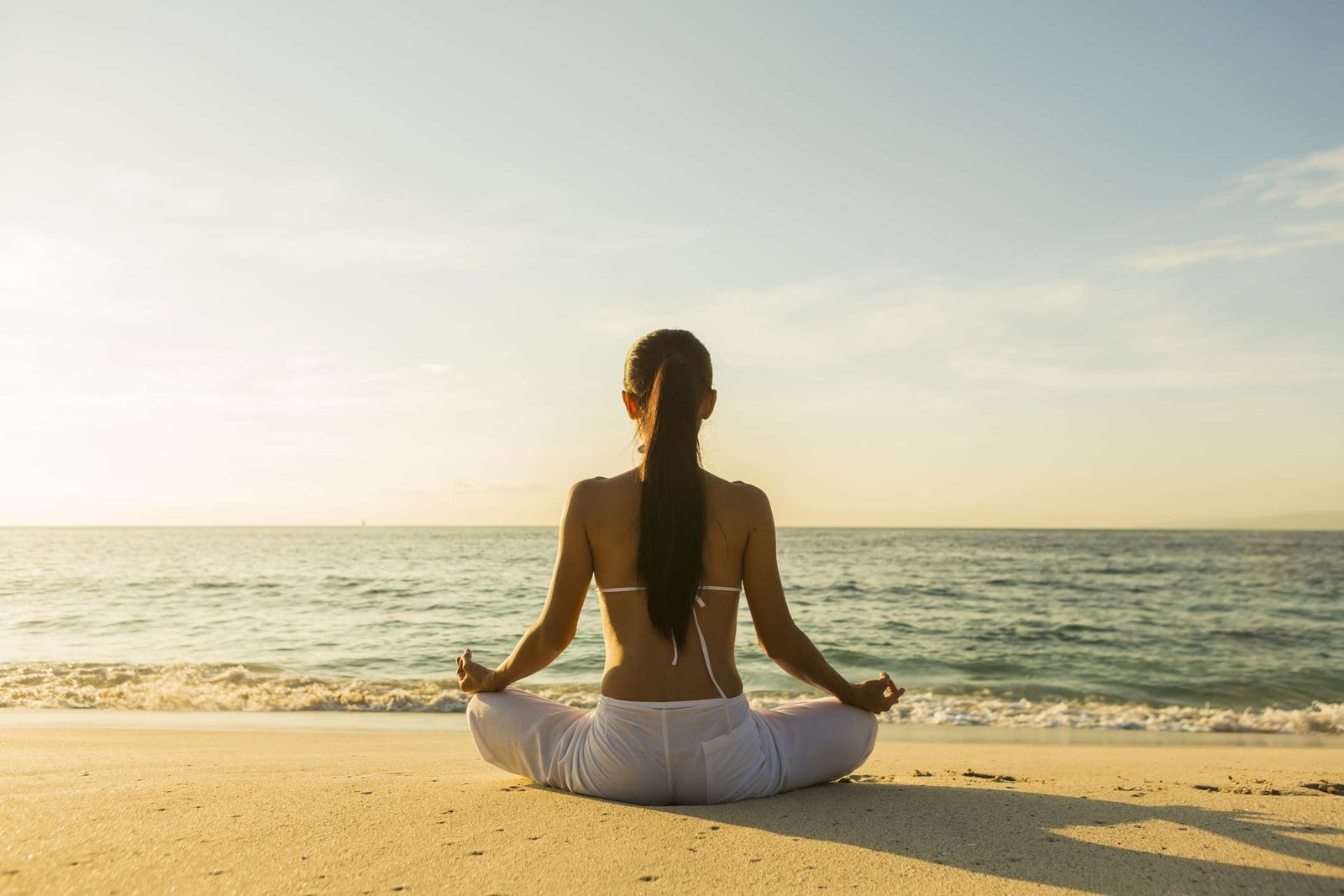
Practicing mindfulness meditation is an effective way to manage stress and anxiety and can also be used as a relaxation technique for panic attacks. This meditation technique helps slow distracting thoughts, reduce negative emotions, and calm the mind and body.
Research across age groups, genders, and geographical boundaries has revealed just how powerful a practice mindfulness meditation is. For example, a 2015 study demonstrated significant reductions in anxiety and stress in nursing students who practiced mindfulness meditation techniques.
Similar findings were found in a study of US adolescents diagnosed with an anxiety disorder. What these and other studies have in common is that mindfulness meditation helps people, especially those with anxiety who worry about the past or future, stay focused on the present moment.
How to Practice Mindfulness Meditation
When you first start meditating, you may be surprised at how difficult it is to sit quietly. Believe it or not, practicing mindfulness also involves realizing that the act of sitting still can put your thoughts into turbo drive. The key is to simply observe your mind, rather than criticize it. Start with a few-minute sessions. As your practice becomes more regular and familiar, you can gradually increase the time.
It’s also important to meditate in a place that’s free from background noise, people, pets, and phones. Take off your shoes, heavy jewelry, and tight clothing. Your goal is to meditate in as peaceful and comfortable a space as possible. Once you’ve picked a time and place, start laying the groundwork for your meditation with these four steps:
Find a comfortable position
Many people sit cross-legged on the floor with their back straight. You might prefer to sit with your legs stretched out, sit upright in a chair, or even lie on your back. Find a position that’s comfortable enough that you’re not distracted by your body, but not so comfortable that you don’t notice it or fall asleep. Know that you can always change positions if you start to feel unwell or get muscle cramps.
Focus on the present
Once you are sitting comfortably in a quiet place, begin to focus your awareness inward. Close your eyes and begin to breathe. Just notice your breathing pattern, but don’t try to change it. This will help bring your awareness back to the present moment. If you notice your mind wandering, bring your attention back to your breathing. As you observe the natural rhythm of your breathing, deepen your breathing so that you can relax.
Acknowledge your thoughts
At first, practicing meditation may increase feelings of anxiety and self-criticism. Is this the right way to do it? What should I do? Instead of trying to suppress your inner dialogue, acknowledge it and let it pass. This will help you learn to face unpleasant thoughts without reacting to them. Over time, you may find that you feel less anxious and more at peace.
Ending the meditation
When you feel that the meditation is complete or you have reached the desired time, open your eyes. Gradually come out of the meditation by doing some gentle stretches. Take a moment to reflect on your practice.
Keeping track of time while meditating can be difficult, so if you’re worried about missing your designated time, consider using a gentle alarm or timer to help you focus on your meditation instead of the clock.
Improve your meditation practice
Once you have established a foundation, you may notice that symptoms of anxiety, such as ruminating about past events or insomnia, are significantly reduced. But like any new technique, it may take some practice, so experiment with the exercises to find what works best for you.
Mindfulness meditation can be done at any time of the day. Meditating when you wake up might help reduce morning anxiety. Or meditating in the evening might help you sleep better at night. Try different times of the day to find what works best for you.
A Word from Verywell
Starting a meditation practice can be difficult, from finding the time and space in your busy schedule to confronting the fears and critical thoughts that cause anxiety. With persistence, even a few minutes each day can help you find a practice that works for you and reduce symptoms of anxiety and panic.
:max_bytes(150000):strip_icc()/KatharinaStar-PhD-1000-af28822a54464343b1f9b32ba89a1cfd.jpg)
